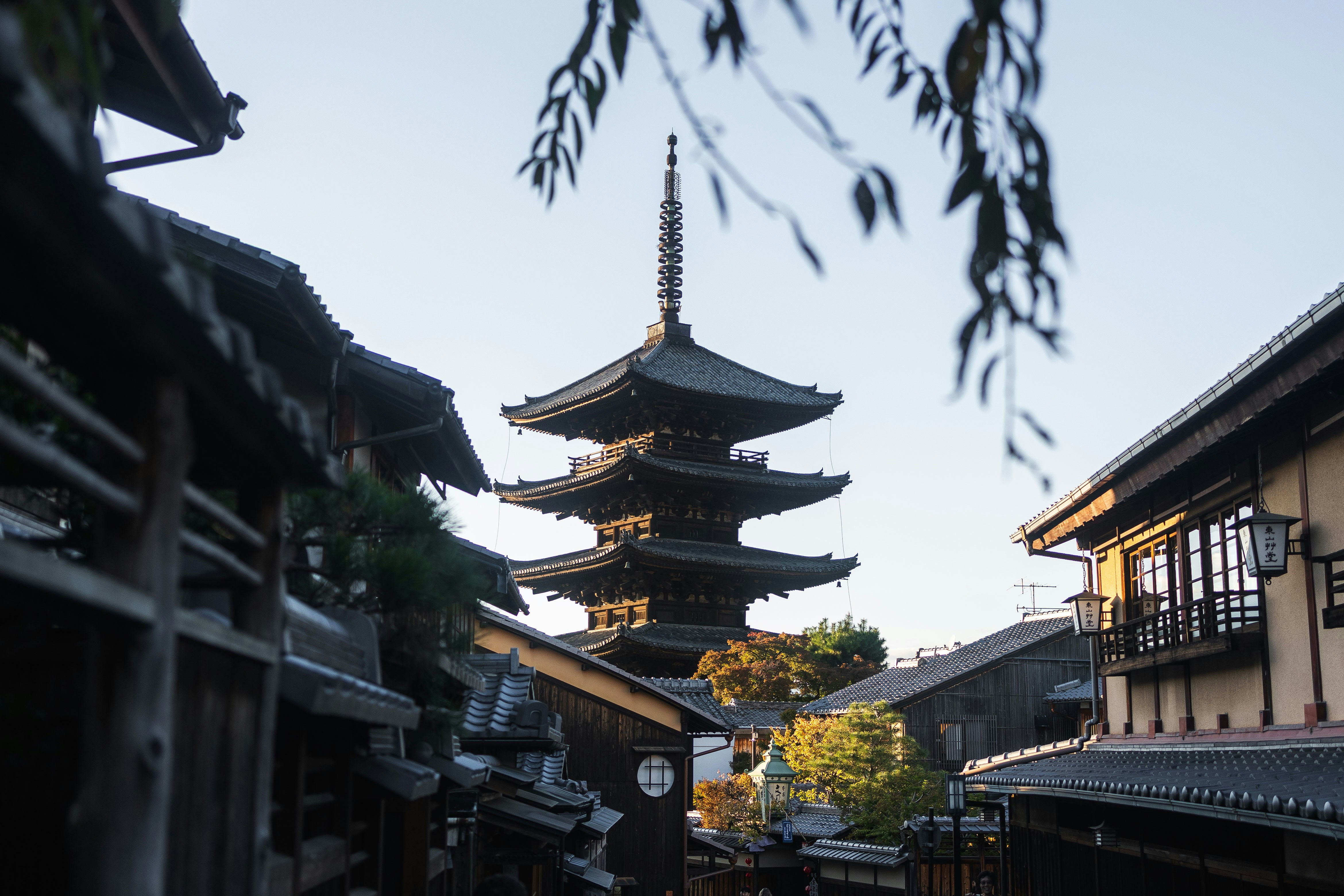
KYOTO GUIDE
Kyoto First‑Timer Guide: Plan the Perfect 1–3 Day Trip
Kyoto First‑Timer Guide: Plan the Perfect 1–3 Day Trip
TL;DR: Kyoto rewards early mornings, smart routing, and good manners. Anchor your days around Higashiyama, Arashiyama, and Fushimi Inari. Use IC cards for buses and trains, walk a lot, and keep voices low in old districts.
Fast Facts
| Item | Tip |
|---|---|
| Best length | 2–3 days for highlights; 1 day for essentials |
| Best seasons | Spring (late Mar–Apr) and Autumn (Nov). Summer is hot/humid; winter is quiet |
| Budget (mid) | ¥12,000–¥18,000/day per person (food, transit, entries) |
| IC cards | ICOCA/Suica/PASMO work across JR and most buses |
| Connectivity | eSIM or portable Wi‑Fi recommended; café Wi‑Fi is inconsistent |
| Manners | Low voices, no smoking on streets, ask before photos, no tripods in narrow lanes |
When to Visit
Kyoto is beautiful year-round, but timing matters a great deal for first-timers.
Spring (late March–April) is the most popular season for good reason — cherry blossoms transform the city. The best weeks for sakura are usually the last week of March through the first week of April, though this shifts year to year. Expect dense crowds at Maruyama Park, Philosopher’s Path, and the Kamo River. Book accommodation three to six months in advance.
Autumn (mid-October–late November) is equally stunning, with maple foliage painting temple gardens in gold and red. Peak color usually falls around mid-November. Like spring, prices spike and accommodation fills fast — book early.
Late May and early June offer warm days, green gardens, and dramatically fewer crowds. Rainy season begins mid-June, but even then temple gardens look lush.
Winter (December–February) is the quietest and cheapest time to visit. Occasional light snow on temple rooftops is magical. Cold but manageable with layers.
For first-timers on a budget, the sweet spot is shoulder weeks: early April (after peak sakura), late May, or early November before peak foliage. Crowds thin noticeably at dawn and after 7pm regardless of season.
See Best Time to Visit Kyoto for monthly weather, festivals, and crowd patterns.
Where to Stay
Where you sleep in Kyoto shapes everything from your morning commute to your evening walks.
Gion / Higashiyama puts you inside Kyoto’s most atmospheric neighborhood. Boutique ryokan, machiya guesthouses, and small hotels fill the historic lanes. You can walk to Kiyomizu-dera, Yasaka Shrine, and Ninen-zaka without catching a bus. The trade-off is daytime crowds and slightly higher prices. If you want the “old Kyoto” experience, this is the area.
Downtown (Kawaramachi / Karasuma) is the practical choice for first-timers who want maximum flexibility. You’re within walking distance of Nishiki Market, well-connected to the subway and Keihan line, and surrounded by restaurants at every price point. Modern hotels, capsule hotels, and a few ryokan all cluster here.
Kyoto Station area suits travelers who want to maximize day trips to Nara, Osaka, or Hiroshima. Budget hotels, business hotels, and the city’s main transit hub are all within a short walk. It feels less “Kyoto” in character, but the savings and transit convenience are real.
Arashiyama is worth considering if bamboo and river scenery are your priority, but it’s a longer commute to eastern Kyoto sights.
See Where to Stay in Kyoto for neighborhood maps and curated picks at every budget level.
Getting Around
Kyoto is more walkable than visitors expect, but the city is also spread out, so transit matters.
IC cards (ICOCA, Suica, or PASMO) are essential. Load one with ¥3,000–¥5,000 at any station machine. Tap in and out on JR trains, Subway, Keihan, and Hankyu lines. Most city buses also accept IC cards — tap when boarding.
City buses reach temples that trains miss, but they run slow during peak tourist hours (9am–5pm on weekends). The most useful lines are the 205 loop bus and the 100 and 101 lines to major sights. Bus fare is a flat ¥230 within the city. Day bus passes (¥700) are worth it if you plan four or more bus rides.
Trains are faster and more predictable than buses. The Karasuma Subway line runs north-south; the Tozai line runs east-west. Keihan line connects central Kyoto with Fushimi Inari and the southern city. JR serves Arashiyama (Sagano line) and Inari.
Walking is often your best option. Higashiyama — from Kiyomizu-dera down through Sannenzaka and Ninenzaka to Gion — is best done entirely on foot. Arashiyama’s bamboo grove, Tenryu-ji, and the riverside are all within a 20-minute walk of each other.
Taxis are clean, safe, and metered. Convenient for early-morning shrine visits, late-night returns, or moving luggage between hotels. Credit cards accepted in most taxis. Ride-hailing apps work, but street-hailing is easy at major spots.
See How to Get Around Kyoto for bus route details, train maps, and rush-hour tips.
Sample Itineraries (1–3 Days)
1 Day: Fushimi Inari Taisha at dawn (arrive by 6am) → breakfast downtown → Kiyomizu-dera and the Higashiyama walk (Sannenzaka, Ninenzaka, Yasaka Shrine) → lunch in Higashiyama → optional afternoon at Kinkaku-ji → rest → Gion evening stroll.
2 Days: Day 1 as above. Day 2: Arashiyama at sunrise (bamboo grove by 7am before tour groups arrive) → Tenryu-ji garden → monkey park or boat ride → lunch at riverside → afternoon Philosopher’s Path → evening Pontocho alley for dinner.
3 Days: Add a northern classics loop (Kinkaku-ji, Ryoan-ji, Ninnaji) on Day 3, or take a day trip to Nara (45 minutes by express train) to see the free-roaming deer and Todai-ji temple.
See the 1-Day Kyoto Itinerary for a timed route with specific food stops and transit directions.
Must-See Highlights
Fushimi Inari Taisha — The 10,000 torii gates trail up a forested mountain south of the city. Arrive before 7am for empty tunnels and cool air. You don’t need to hike to the summit; the most photogenic gates are in the first 30–45 minutes of walking.
Arashiyama Bamboo Grove — Short (about 500 meters) but striking, especially at dawn when light filters through the stalks. Pair it with Tenryu-ji’s garden, which is directly adjacent and genuinely beautiful.
Kiyomizu-dera — The wooden stage jutting out over the hillside gives sweeping views of the city. The temple complex is large — allow 60–90 minutes. Walk down through Sannenzaka and Ninenzaka afterward for the best “old Kyoto” streetscape in the city.
Gion District — Kyoto’s most famous geisha district is best explored on foot in the early morning or after 6pm when day-trippers thin out. Hanamikoji Street and the narrower Shirakawa Canal area are the highlights. On lucky evenings you may spot a geiko or maiko hurrying between appointments.
Nijo Castle — Often skipped by first-timers but worth it. The “nightingale floors” squeak with every step (a feudal security measure), and the painted fusuma screens inside are remarkable. Budget 90 minutes.
Etiquette Essentials
- Remove shoes when a sign or entryway mat indicates it (ryokan, some temple interiors, many traditional shops).
- At shrines, rinse hands at the purification fountain before approaching the main hall. Bow twice, clap twice, bow once — this is the standard Shinto greeting.
- At temples, incense smoke wafted toward you is believed to bring health. Quiet reflection is the norm; save commentary for outside.
- No eating while walking on narrow temple or shopping streets. It’s acceptable at festivals or designated street-food areas, but not in Higashiyama lanes or near shrines.
- Photography rules vary by site. Red “no camera” signs are firm. Always ask before photographing people, especially anyone in kimono — they may be a working geiko who prefers privacy.
- Keep voices low in residential districts, especially in Gion after dark. Noise complaints from residents are a real issue in over-touristed areas.
Accessibility and Pace
Kyoto’s most famous sights involve slopes, stone steps, and uneven cobblestones. Kiyomizu-dera’s approach streets and the paths around Fushimi Inari are not wheelchair-friendly in their original form. Kinkaku-ji and Nijo Castle are more accessible, with flatter paths.
If you have mobility concerns, call ahead to ask about accessibility — many temples have alternative routes that are not well-signposted. Taxis can drop you much closer to entrances than bus stops, which saves significant walking.
Build in rest. Many visitors underestimate the physical demands of a day in Kyoto. Plan your heaviest walking before noon, use a café or your hotel for a mid-afternoon break, and you’ll enjoy evenings far more.
Budgeting (Mid-Range)
| Category | Estimated Cost |
|---|---|
| Temple / shrine entries | ¥400–¥1,000 each |
| Lunch | ¥1,000–¥1,800 |
| Dinner | ¥2,000–¥4,000 |
| Daily transit | ¥900–¥1,200 |
| Snacks / coffee | ¥500–¥800 |
| Daily total | ¥12,000–¥18,000 |
Cards are widely accepted at mid-range and upscale restaurants, convenience stores, and larger shops. Carry at least ¥3,000–¥5,000 in cash for smaller shrines, vending machines, coin lockers, and traditional shops. 7-Eleven and Japan Post ATMs reliably accept foreign cards.
See Money and SIM in Japan for details on ATMs, cash vs. card, and the best SIM or eSIM options.
Book a Local Experience
If you have one evening in Kyoto, spend it in Gion with someone who actually knows it. Our Kyoto Gion Night Walk: Sake, Hidden Gems & Geisha takes small groups through the atmospheric backstreets and hidden izakaya that most visitors never find. You’ll taste three or four local sake varieties, learn the real history of the geiko district, and get an honest picture of what Kyoto is like for the people who live here — not just what it looks like from the tourist trail. It’s the kind of evening that makes a trip feel real.
FAQs
Is Kyoto safe at night? Yes — Kyoto is extremely safe by any standard. Walk confidently, mind parked bicycles on narrow paths, and be respectful of the residential areas in Gion where residents live and work.
Can I pay by card everywhere? Most mid-range restaurants, hotels, and convenience stores accept cards. Small shrines, mom-and-pop noodle shops, and market stalls often prefer cash. Keep ¥3,000–¥5,000 on you at all times.
How many temples can I realistically visit in 2 days? Four to six major sites spread across two geographic clusters is comfortable. More than that and the temples start to blur together. Quality over quantity is the right approach in Kyoto.
Is tipping expected? No — tipping is not part of Japanese culture and can occasionally cause confusion. A sincere “arigatou gozaimasu” (thank you very much) is genuinely appreciated.
Do I need to book temples in advance? Most temples are walk-in. A handful of special garden experiences (Urasenke tea ceremony, certain Zen gardens) require advance booking. Check each attraction’s official site closer to your travel date.
How do I get from Osaka or Tokyo to Kyoto? From Osaka: Hankyu or JR lines, about 15–30 minutes depending on your starting point. From Tokyo: Tokaido Shinkansen to Kyoto Station, about 2 hours 15 minutes on the Nozomi.
// KYOTO LOCAL EXPERIENCE
EXPLORE KYOTO
WITH A LOCAL GUIDE
Skip the crowds and see the Kyoto most visitors never find. Small-group tours led by local experts — built around genuine stories, hidden spots, and real connections with the city.
Local guide based in Gion, Kyoto. Leading intimate walking tours and sake experiences since 2018. Passionate about connecting travelers with authentic Kyoto culture.