KYOTO GUIDE
Best Time to Visit Kyoto (By Month: Weather, Crowds, Events)
Best Time to Visit Kyoto (By Month)
Quick Answer
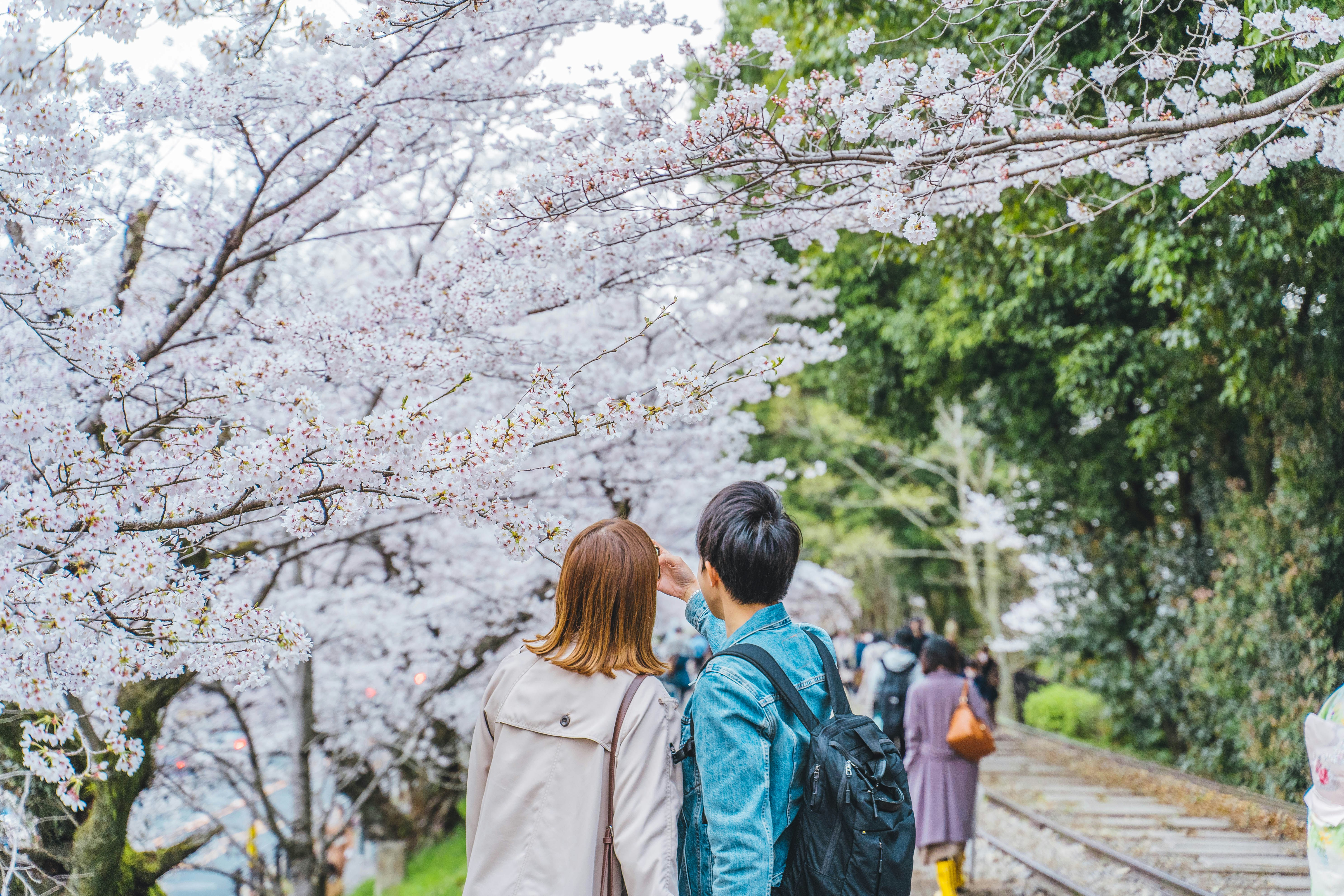
There is no single “best” month to visit Kyoto — it depends on what matters most to you. For iconic scenery with manageable crowds, late March to early April (peak cherry blossoms) and mid-to-late November (peak autumn foliage) are the most spectacular, but also the busiest. If you prefer lighter crowds and lower prices, January to February and June offer a surprisingly pleasant experience. Late May is arguably the most comfortable all-around: warm temperatures, lush green scenery, and far fewer tour groups.
- Best overall balance: late March–early April, late May, late October–mid-November on weekdays
- Best value and quiet: January–February (cold but clear), early June (just before rainy season)
Seasons at a Glance
| Season | Temperatures | Weather | Crowds | Key Draws |
|---|---|---|---|---|
| Spring (Mar–May) | 10–22°C | Mild, occasional rain | Very high in Apr | Cherry blossoms, Aoi Matsuri |
| Summer (Jun–Aug) | 28–38°C+ | Hot, humid, rainy season | Medium (high in Aug) | Gion Matsuri, Gozan Okuribi |
| Autumn (Sep–Nov) | 10–22°C | Cool, crisp, typhoon risk in Sep | Very high in Nov | Momiji foliage, Jidai Matsuri |
| Winter (Dec–Feb) | 2–10°C | Cold, dry, occasionally snowy | Low | Clear skies, illuminations, low rates |
Month‑by‑Month Highlights
January
Cold (2–8°C) with clear, dry skies — ideal for photos without the haze that comes with humid months. New Year’s crowds at shrines and temples are intense on January 1–3 but thin out quickly after that. January has the lowest hotel rates of the year, making it one of the best-value months for budget-conscious travelers. Mark your calendar for the Toji Temple Flea Market on January 21, one of the largest antique markets in Japan, held at the temple’s grounds.
February
Still cold but starting to hint at spring. The big event is Setsubun on February 3, when major shrines and temples like Yoshida Shrine and Heian Jingu hold bean-throwing ceremonies — crowded but festive and free. Later in the month, plum blossoms (ume) begin opening at Kitano Tenmangu shrine, typically peaking around February 25. It is quieter than cherry blossom season and far more relaxed.
March
Temperatures gradually warm from around 8°C early in the month to a comfortable 15–18°C by late March. The sakura (cherry blossoms) typically start opening in Kyoto in late March, with timing varying by a week or two depending on the year. Crowds build quickly once the first blossoms appear, so if you are flexible, arriving just before full bloom to catch the early flowers can mean shorter lines. Accommodation prices start rising sharply from mid-March onward.
April
Peak cherry blossom season, usually in the first one to two weeks of April. Maruyama Park and the Philosopher’s Path are the most famous spots, but expect enormous crowds. Mid-April brings hanafubuki (“flower blizzard”) — falling cherry petals that are arguably more beautiful than full bloom. The last week of April brings Golden Week (Japan’s major holiday period), which causes another major crowd and price surge. If you can, finish your Kyoto trip before April 27.
May
One of the most underrated months to visit. After Golden Week ends (around May 6), Kyoto quiets down noticeably. Temperatures are a comfortable 20–25°C, and the city is draped in deep green aomomi (fresh summer foliage). The Aoi Matsuri on May 15 is one of Kyoto’s three great festivals — a stately imperial procession from the Imperial Palace to Shimogamo Shrine and Kamigamo Shrine, free to watch from the roadside.
June
Rainy season (tsuyu) typically begins in mid-June, bringing frequent drizzle and rising humidity. However, crowds drop noticeably and hotel rates dip, making it a smart choice for travelers who do not mind carrying an umbrella. Mimurotoji Temple near Uji is famous for its hydrangea garden, blooming throughout June. The city feels greener and more atmospheric in the rain, and popular spots like Fushimi Inari are noticeably less packed.
July
Hot and increasingly humid, with temperatures regularly hitting 33–36°C. However, July is home to Gion Matsuri, Kyoto’s most famous festival. The entire month has events, but the highlight is Yoiyama on July 15–17: the streets around Shijo-Karasuma are closed to traffic and filled with illuminated floats, food stalls, and tens of thousands of people in yukata. It is absolutely unmissable if you can handle the heat. Wear the most breathable clothes you own and stay hydrated.
August
Kyoto’s hottest month, regularly above 35°C with stifling humidity. Pace yourself, take midday breaks indoors, and start sightseeing early in the morning. The reward is Obon, the ancestral memorial season culminating in the Gozan Okuribi on August 16 — bonfires lit in the shape of kanji characters on five mountains surrounding the city. Watching the fires from a rooftop or hillside viewpoint is one of Kyoto’s most moving experiences. Many smaller shrines also hold Bon Odori (folk dance) events during this period.
September
Typhoon season peaks in September, with the occasional storm bringing heavy rain and strong winds. That said, most September days are fine, and by late September temperatures drop to a much more comfortable 22–25°C. Autumn flowers like higanbana (red spider lilies) start appearing in fields and along paths. This is a transitional month — not spectacular, but a quieter and cheaper option.
October
One of Kyoto’s most pleasant months. Temperatures settle into a crisp 15–22°C, skies are clear, and the foliage at higher elevations begins to turn. By late October, maple trees in spots like Tofuku-ji start showing their first hints of red. The Jidai Matsuri on October 22 is a grand historical pageant departing from the Kyoto Imperial Palace — free to watch and very photogenic.
November
Peak autumn foliage (momiji) typically arrives mid-to-late November, making it one of the most beautiful but crowded months of the year. Tofuku-ji, Eikan-do, and Kiyomizu-dera are the most popular spots, with evening illuminations extending viewing hours into the night. Book accommodation three to four months in advance for November stays, as rooms at popular ryokan sell out fast. Prices are at their annual high alongside April.
December
After the rush of November, Kyoto quiets significantly around December 20. Year-end illuminations continue at several venues, and the cold dry air makes for exceptional views of the mountains. It is an excellent month for photography. Visiting just after the December holidays ends gives you some of the cheapest rates of the year alongside January. The city takes on a meditative atmosphere as locals prepare for the New Year.
Packing List by Season
Spring (March–May)
- Layers are essential: mornings can be 8°C while afternoons reach 20°C
- Light rain jacket or compact umbrella (April showers are common)
- Comfortable walking shoes with cushioning (10,000–20,000 steps per day is normal)
- Small daypack, refillable water bottle, portable power bank
Summer (June–August)
- UV-protective clothing or a light long-sleeve shirt (the sun is intense)
- Cooling towel and handheld portable fan (sold everywhere in Kyoto for a few hundred yen)
- Breathable, moisture-wicking fabrics — avoid denim and heavy cotton
- Electrolyte drinks or sachets to prevent heat exhaustion
- Compact umbrella doubles as sun parasol
Autumn (September–November)
- Layers again: warm mornings and evenings, comfortable midday
- Light to medium-weight jacket by November
- Walking shoes (temple paths and stone steps are numerous)
- Compact umbrella for the occasional September typhoon rain
Winter (December–February)
- Warm coat, scarf, hat, and gloves — temple grounds are exposed and wind is sharp
- Thermal base layer if you plan long outdoor days
- Waterproof shoes in case of the occasional snow (Kinkaku-ji in snow is spectacular)
- Hand warmers (kairo) — available cheaply at any convenience store
Where to Stay by Season
The right neighborhood depends partly on the season.
During spring and autumn peak periods, staying within walking distance of your main sightseeing targets is worth paying a premium for. Transit becomes slow and crowded, so a room in Gion or Higashiyama saves you hours of waiting for buses. See the full breakdown in our Where to Stay in Kyoto guide.
During summer and winter, the calculus shifts: Kyoto Station’s proximity to air-conditioned shopping and seamless JR access makes it a practical and often better-value base.
For your full trip framework, see the Kyoto First-Timer Guide.
// KYOTO LOCAL EXPERIENCE
EXPLORE KYOTO
WITH A LOCAL GUIDE
Skip the crowds and see the Kyoto most visitors never find. Small-group tours led by local experts — built around genuine stories, hidden spots, and real connections with the city.
Local guide based in Gion, Kyoto. Leading intimate walking tours and sake experiences since 2018. Passionate about connecting travelers with authentic Kyoto culture.