DAY TRIPS
Uji Day Trip from Kyoto: Matcha, Byodoin & How to Go
Uji Day Trip from Kyoto: Matcha, Byodoin & How to Go
Why Uji
Uji is a small city on the Ujigawa River between Kyoto and Nara, 15 km south of Kyoto. It’s famous for three things: Byodoin Temple (on the ¥10 coin), the world’s best matcha tea, and the final chapters of The Tale of Genji — the 11th-century novel considered the world’s first psychological novel, written by Kyoto court lady Murasaki Shikibu.
As a day trip, Uji offers something qualitatively different from Kyoto’s temple-and-shrine circuit: a small riverside town with excellent tea culture, one extraordinary building, and fewer tourists than any equivalent Kyoto sight.
Even on peak season weekends, Uji’s streets are noticeably quieter than Kyoto’s main temple corridors. The entire Byodoin area and riverside can be explored comfortably in the same conditions that would feel overwhelming at Arashiyama or Fushimi Inari.
 BYODOIN
 Getting There
JR Nara Line is the simplest option: Kyoto Station directly to Uji Station, 17 minutes, ¥240. The JR Pass covers this route. Uji Station exits toward the river and Byodoin approach.
Keihan Uji Line: From the Gion-Shijo or Fushimi area, take the Keihan Main Line south to Chushojima, transfer to the Keihan Uji Line, and continue to Keihan-Uji Station. This takes about 35 minutes total and costs ¥430. Keihan-Uji Station is slightly better positioned for Ujigami Shrine on the east bank.
Both stations are within 10 minutes walk of Byodoin.
The JR Nara Line from Kyoto to Uji is fully covered by the JR Pass. If you have a pass, this is a free side trip — ride it even if you only have a few hours to spare.
Byodoin Temple
The Phoenix Hall (Hoo-do)
Built in 1053 by Fujiwara no Yorimichi as an Amida Buddha hall meant to represent the western paradise of Buddha Amida, the Phoenix Hall is one of the finest surviving examples of Heian-period architecture in Japan. The main hall appears to float on its central pond — reflected perfectly in calm weather. Two bronze phoenix figures crown the roof.
The structure on the ¥10 coin since 1959. Entry ¥1,000 (outer garden + Hoshokan museum). The inner hall requires a separate timed entry ticket (¥300 more) for a 3-minute guided viewing of the central Amida Buddha statue by sculptor Jocho — itself a National Treasure.
Only 50 people per time slot can enter the Phoenix Hall interior. Buy the inner hall ticket (¥300 extra) immediately on arrival at the site. On busy days slots fill within the first hour of opening.
Book the inner hall ticket at the site on arrival. Only 50 people per slot; buy immediately on entry.
Hoshokan Museum
A modern museum building on the grounds holds the original bronze phoenixes (replaced by replicas on the roof) and Heian-period Buddhist bells and devotional objects from the temple. Included in ¥1,000 entry. Excellent for understanding the historical context of the building.
Light crowds; ideal for unobstructed pond reflection photos
Tour groups arrive; inner hall queues form quickly
 PHOENIX HALL
 Matcha in Uji
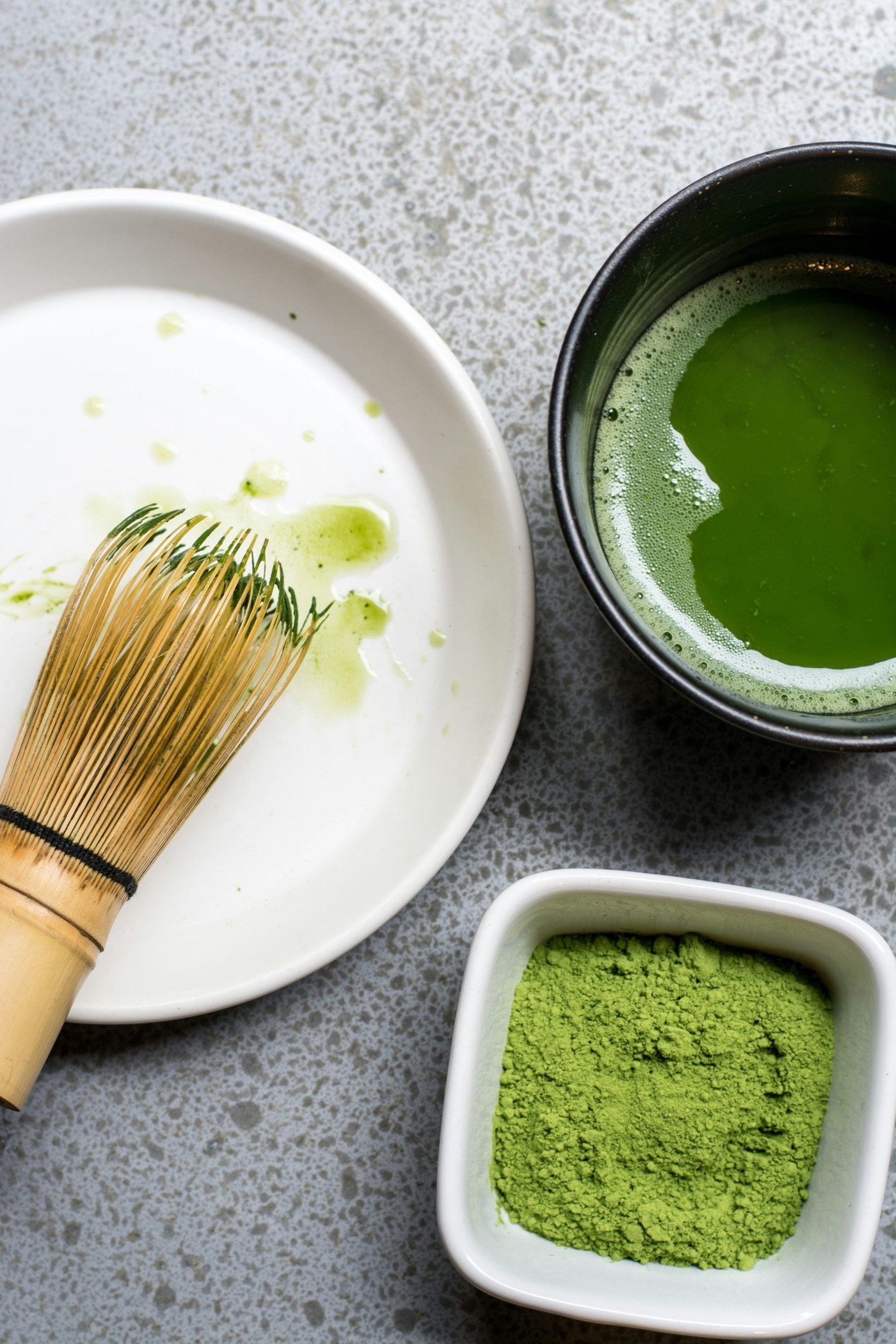
Uji has been the primary matcha-producing region in Japan since the 13th century, when monks returning from China introduced powdered tea cultivation here. The climate, soil, and ancient tea-growing traditions make Uji matcha the reference standard.
Most “Kyoto matcha” sold in the city is actually grown in Uji. When shops claim “Kyoto matcha” provenance, they almost always mean Uji-grown leaves. Buying directly in Uji gives you better traceability and often lower prices than the same grade retailed in Kyoto.
Best Tea Shops
Nakamura Tokichi Honten — The most famous tea house in Uji, operating since 1854. A beautiful old machiya building near the river. Matcha and sweets available. Also has a modern annex with matcha parfaits and soft serve. Queue expected on weekends.
Tsuen Tea Shop — Claimed to be Japan’s oldest teahouse, established around 1160. On the island between the two river channels near Uji Bridge. Simple and atmospheric. Matcha sets and seasonal sweets.
Marukyu Koyamaen — Premium matcha retailer with exceptional quality and clear provenance labeling. Buying a small tin of their ceremonial grade matcha is one of the best Uji souvenirs.
A seated matcha set with wagashi sweets at Nakamura Tokichi runs ¥1,200–1,800 — far cheaper than a formal tea ceremony experience in Kyoto. This is the best-value introduction to high-quality matcha in the right environment.
 NAKAMURA TOKICHI
 Ujigami Shrine
A 10-minute walk from Byodoin across the river (use the small Asagiri Bridge). The oldest Shinto shrine in Japan — parts of the main hall date to the late Heian period (11th century). UNESCO World Heritage Site. Free, always open. Peaceful, heavily forested, almost no tourists even in peak season.
Almost always quiet; one of the most peaceful UNESCO sites in the region
 UJIGAMI SHRINE
 Suggested Half-Day Route
Exit toward the river. The Byodoin approach street (Byodoin Omotesando) begins directly ahead, lined with matcha shops — resist stopping now and return after the temple.
Buy the inner hall timed entry ticket first on arrival. Tour the garden and pond, then enter the Hoshokan museum. Inner hall viewing lasts 3 minutes but the queue and context make it worth the wait.
Walk the riverside promenade along the Ujigawa, then stop for a seated matcha set and sweets at Nakamura Tokichi Honten. The machiya interior is worth seeing.
Cross to the east bank via the small Asagiri Bridge. Ujigami Shrine is a 5-minute walk through a forested path. Free entry, always open. Return via the same bridge.
Browse the approach street shops. Marukyu Koyamaen is the best option for take-home matcha with clear provenance labeling. Tsuen Tea Shop near the bridge is worth a quick visit.
Return to Kyoto with tea in hand. The JR Pass covers this leg if you have one.
More day trips: Nara from Kyoto and Osaka from Kyoto. For Kyoto planning: 3-Day Itinerary.
Try the tea tradition deeper: See our Kyoto Tea Ceremony guide for experiences in the city. Our Gion Sake Walk takes a different evening angle on Japanese drink culture.
// KYOTO LOCAL EXPERIENCE
EXPLORE KYOTO
WITH A LOCAL GUIDE
Skip the crowds and see the Kyoto most visitors never find. Small-group tours led by local experts — built around genuine stories, hidden spots, and real connections with the city.
FAQ
How do I get from Kyoto to Uji? ▼
What is Byodoin famous for? ▼
Is Uji matcha better than Kyoto matcha? ▼
How much time should I spend in Uji? ▼
RELATED GUIDES
Nara Day Trip from Kyoto: Deer, Temples & Getting There
How to do a Nara day trip from Kyoto: the best route, travel time and cost, what to see at Todai-ji and Kasuga Shrine, how to interact with the deer, and how much time you need.
Osaka Day Trip from Kyoto: What to Do & Best Route
Everything for an Osaka day trip from Kyoto: how to get there, the best neighborhoods and food spots, Dotonbori vs Shinsekai, and how much time you actually need.
Local guide based in Gion, Kyoto. Leading intimate walking tours and sake experiences since 2018. Passionate about connecting travelers with authentic Kyoto culture.