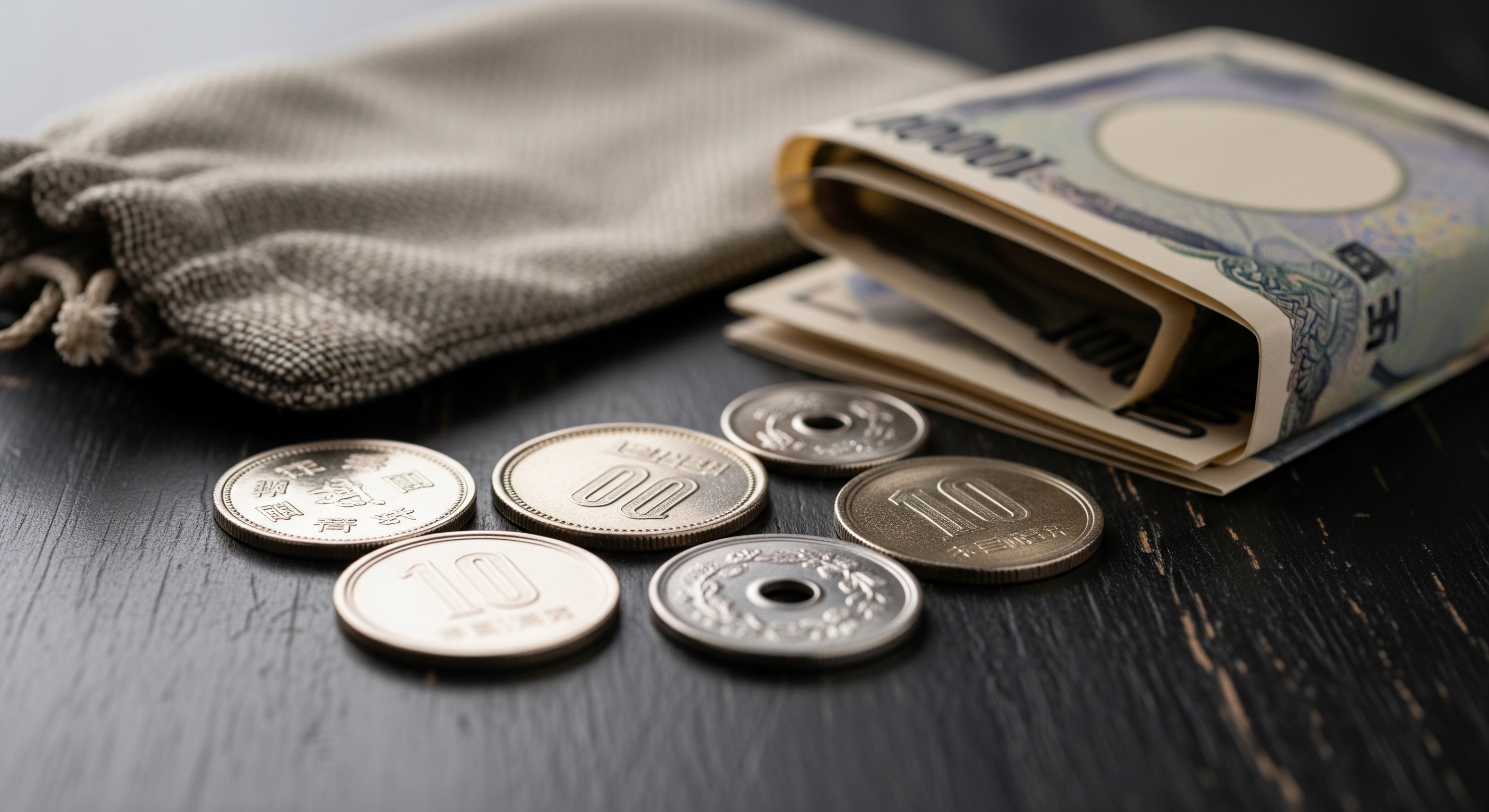
CULTURE
Is Tipping Rude in Japan? The Honest Answer
Is Tipping Rude in Japan? The Honest Answer
Short Answer
No, tipping is not rude in Japan.
It is also not expected.
That is the part many travelers hear. What often gets lost is this: for guides, drivers, and small hospitality businesses, a tip given sincerely at the end is usually not offensive at all. Honestly, it can make us very happy.
So the practical answer is simple:
- You never need to tip in Japan.
- Nobody should pressure you to tip.
- But if you had a great experience and want to show appreciation, it is a kind gesture.
Why People Think Tipping Is “Bad” in Japan
Japan does not have a strong tipping culture like the United States.
In many situations, good service is seen as part of the job. The price you pay is assumed to include the service itself, so there is no social expectation to add 15 or 20 percent afterward.
That is why you often hear blanket advice like “Never tip in Japan.”
The problem is that this gets oversimplified. “Not customary” turns into “rude,” and those are not the same thing.
For most people working in tourism, especially small independent operators, the feeling is closer to this:
We do not expect it. But if you choose to do it, we are genuinely touched.
For independent guides and small tour operators, a tip is not just extra income — it is emotional proof that the guest felt genuinely cared for. Many of us work in tourism because we love sharing our city, and knowing that meant something to a guest is deeply satisfying.
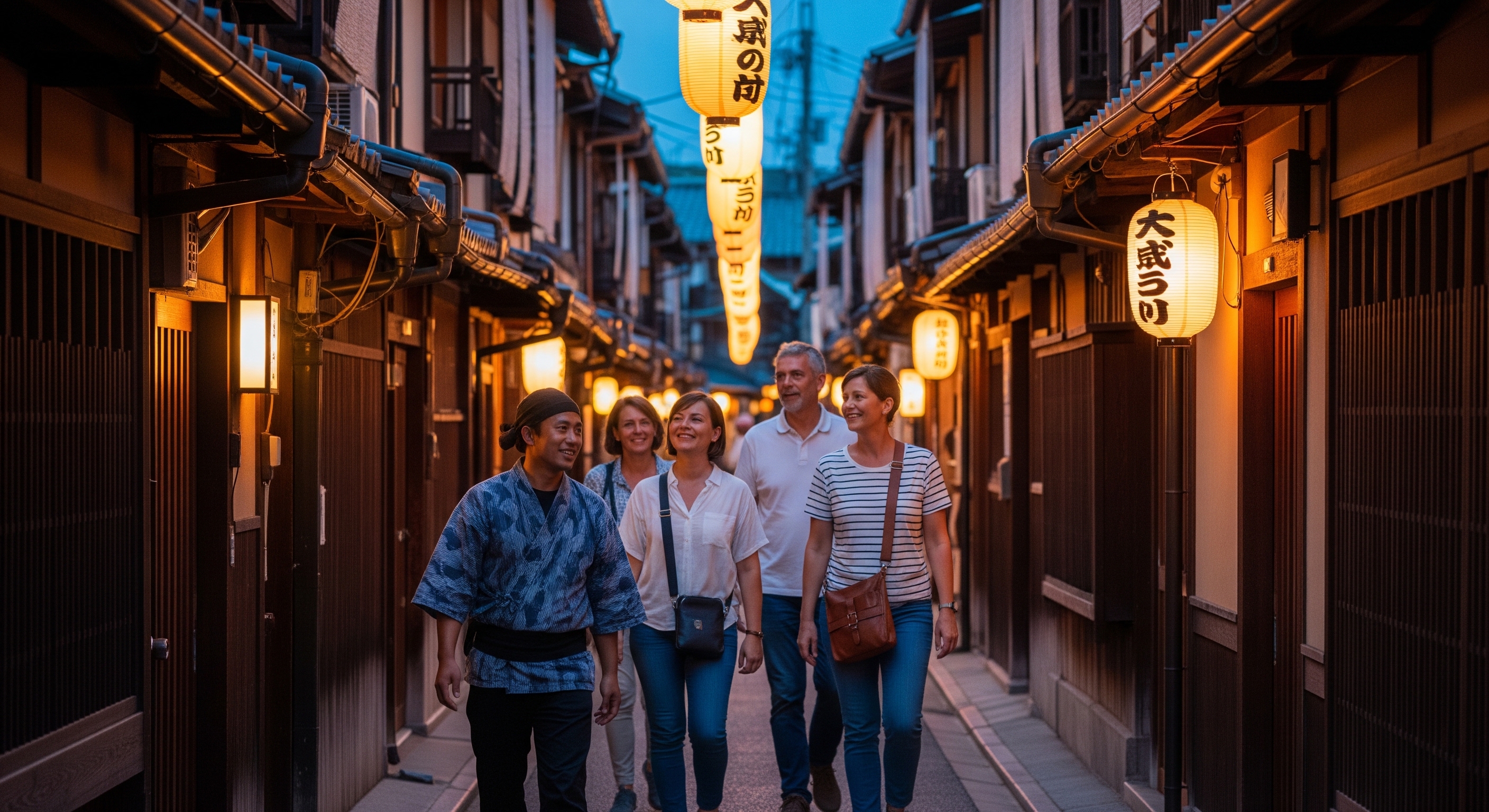 KYOTO
KYOTO So, Is It Offensive?
Usually, no.
If you try to force a tip on someone in a very formal setting, or hand cash awkwardly in the middle of a transaction, it may create confusion. Some staff may politely refuse because they are unsure of the etiquette, or because company rules do not allow them to accept money directly.
But that is very different from being insulted.
For a private guide, a local host, a driver who took care of you, or a small team that clearly went above and beyond, a tip usually feels like simple appreciation. It says:
“Thank you. That meant something to me.”
And yes, that feels great.
Handing cash during an active transaction — such as mid-tour or while staff are still processing payment — can cause confusion. Always wait until the experience is clearly finished before offering a tip. The end of the day, as you say your goodbyes, is the most natural moment.
When a Tip Feels Most Natural
Tipping makes the most sense in situations where the experience is personal rather than purely transactional.
Examples:
- a private walking tour
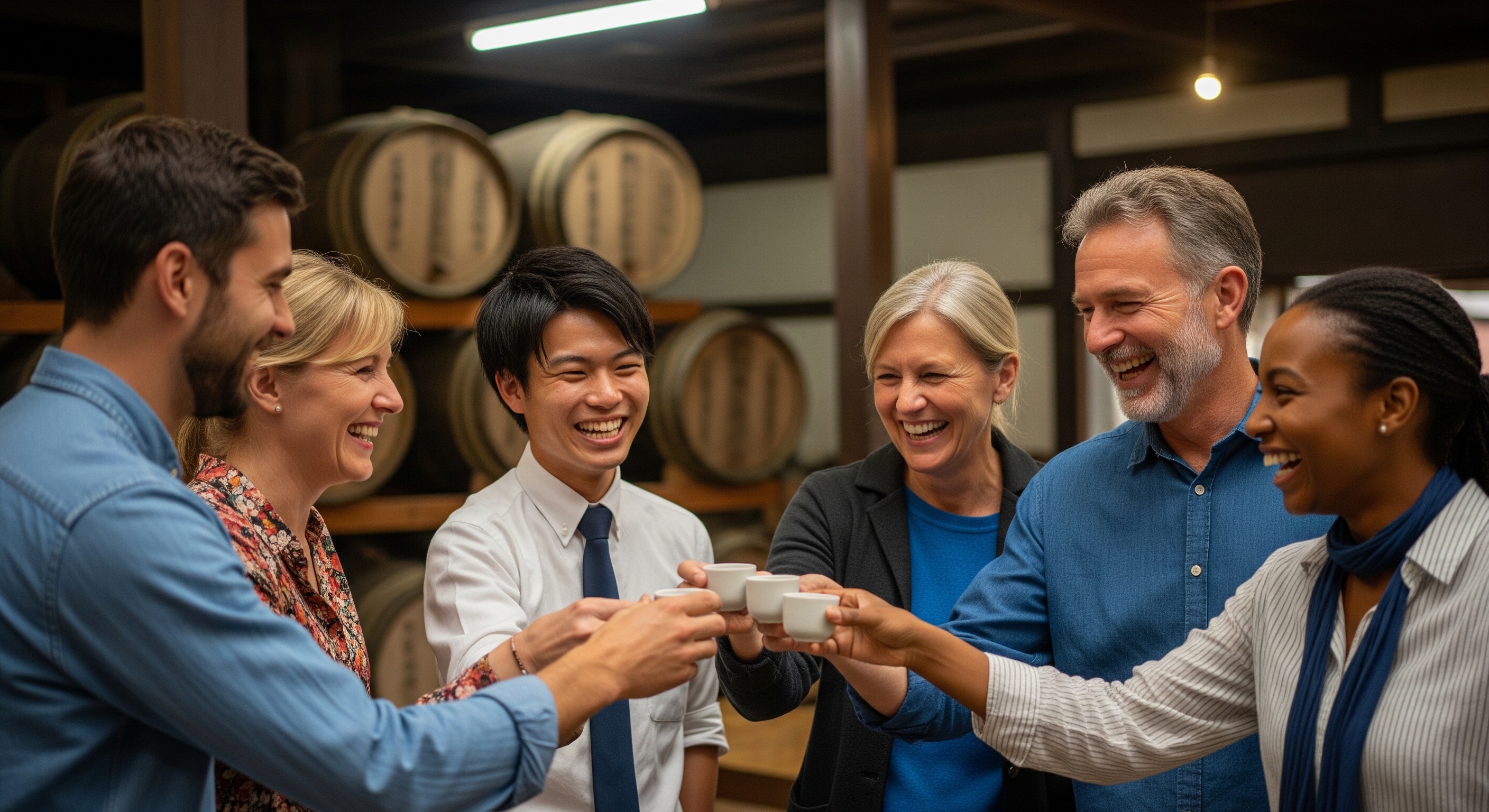
- a food or sake tour
- a driver who spent extra time helping your family
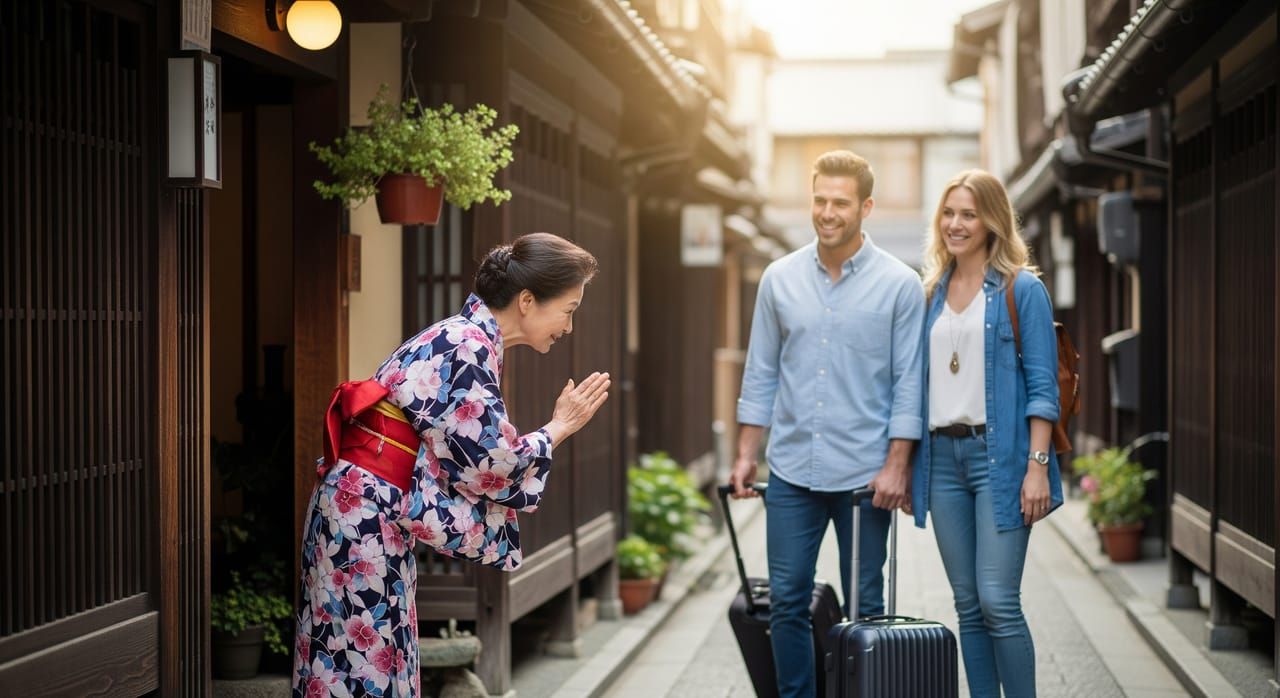
- a small guesthouse host who took exceptional care of you
- a hands-on cultural experience with a dedicated instructor
In those situations, the person serving you is often not a faceless large company. They are an individual, or part of a very small business. A tip or thoughtful gesture lands differently there.
It is less natural at:
- chain restaurants
- convenience stores
- standard retail shops
- large hotels with strict staff policies
In those places, staff may simply smile and decline.
 FUSHIMI
 How to Do It Without Making It Weird
The easiest approach is to keep it simple.
Give it at the end, not at the beginning. Hand it over with a short thank-you:
- “Thank you, I had a wonderful time.”
- “This was one of the highlights of our trip.”
- “Please take this. Thank you for today.”
That is enough.
You do not need a speech. You do not need to negotiate the amount. You do not need to ask five times.
A small amount offered warmly is much better than turning it into a dramatic moment.
If the person hesitates once out of politeness, that can be normal. If they clearly refuse, just smile and let it go.
Using both hands or offering the money in a small envelope or folded inside a piece of paper makes the gesture feel more considered. It is a small detail, but it fits with the Japanese cultural value of presenting things with care. Many convenience stores sell small gift envelopes (pochibukuro) for just this purpose.
How Much Should You Tip?
There is no standard amount in Japan, because there is no formal tipping system.
That means there is also less pressure.
For tours or private experiences, many travelers who do tip give a small flat amount rather than a percentage. The exact number matters less than the feeling behind it. Even a modest tip can feel meaningful when it is clearly about gratitude rather than obligation.
If you are unsure, a warm review can also have real value. For small tour businesses, a thoughtful Google or TripAdvisor review often helps almost as much as the money.
Unlike the US where 18–20% is standard, Japan has no tipping formula. A sincere flat amount — whatever feels right to you — is completely appropriate. Think of it as a gift rather than a calculated percentage. The thought behind it matters far more than the number.
What Japanese Service Workers Actually Feel
People often imagine that receiving a tip in Japan would feel embarrassing or inappropriate.
That depends completely on context.
In everyday service settings, yes, it can feel unusual because it is not built into the culture.
But in tourism, many of us interact with guests from countries where tipping is a normal way of saying thank you. We understand the intention. We are not standing there thinking, “How rude.”
We are usually thinking:
“That was incredibly kind.”
Especially for independent guides, a tip is not just extra money. It is proof that the guest felt cared for. It means the effort was noticed. That emotional side matters more than many travelers realize.
 KYOTO
KYOTO If You Do Not Tip, Is That Fine?
Absolutely.
This matters just as much as the rest of the article.
Joining the tour, showing up on time, being engaged, asking good questions, and saying thank you already means a lot. Nobody should make you feel that a tip is required.
If you loved the experience, you can show appreciation in several ways:
- leave a kind review
- recommend the experience to friends
- book directly next time
- send a thank-you message afterward
Those things are genuinely appreciated too.
Honestly? Guests who are present, curious, and engaged make a guide’s day more than any tip. Showing genuine interest in the stories, asking follow-up questions, and laughing together — that is what we remember. A tip is a bonus. Your enthusiasm is the real reward.
Final Answer
So, is tipping rude in Japan?
No.
It is not expected, and in some formal places it may be declined. But for guides and small hospitality businesses, it is often very welcome.
The honest answer is not “Never tip in Japan.”
The honest answer is:
You do not have to tip in Japan. But if you choose to tip because you had a wonderful experience, there is a very good chance it will make someone feel deeply appreciated.
In plain English: we would be really happy.
If you want a tour where that appreciation goes directly to a local small team, see our Gion Sake Walk or browse more practical Kyoto advice in the blog.
// KYOTO LOCAL EXPERIENCE
EXPLORE KYOTO
WITH A LOCAL GUIDE
Skip the crowds and see the Kyoto most visitors never find. Small-group tours led by local experts — built around genuine stories, hidden spots, and real connections with the city.
FAQ
Is tipping rude in Japan? ▼
Should I tip my tour guide in Japan? ▼
Why do people say not to tip in Japan? ▼
Can a tip ever be refused? ▼
RELATED GUIDES
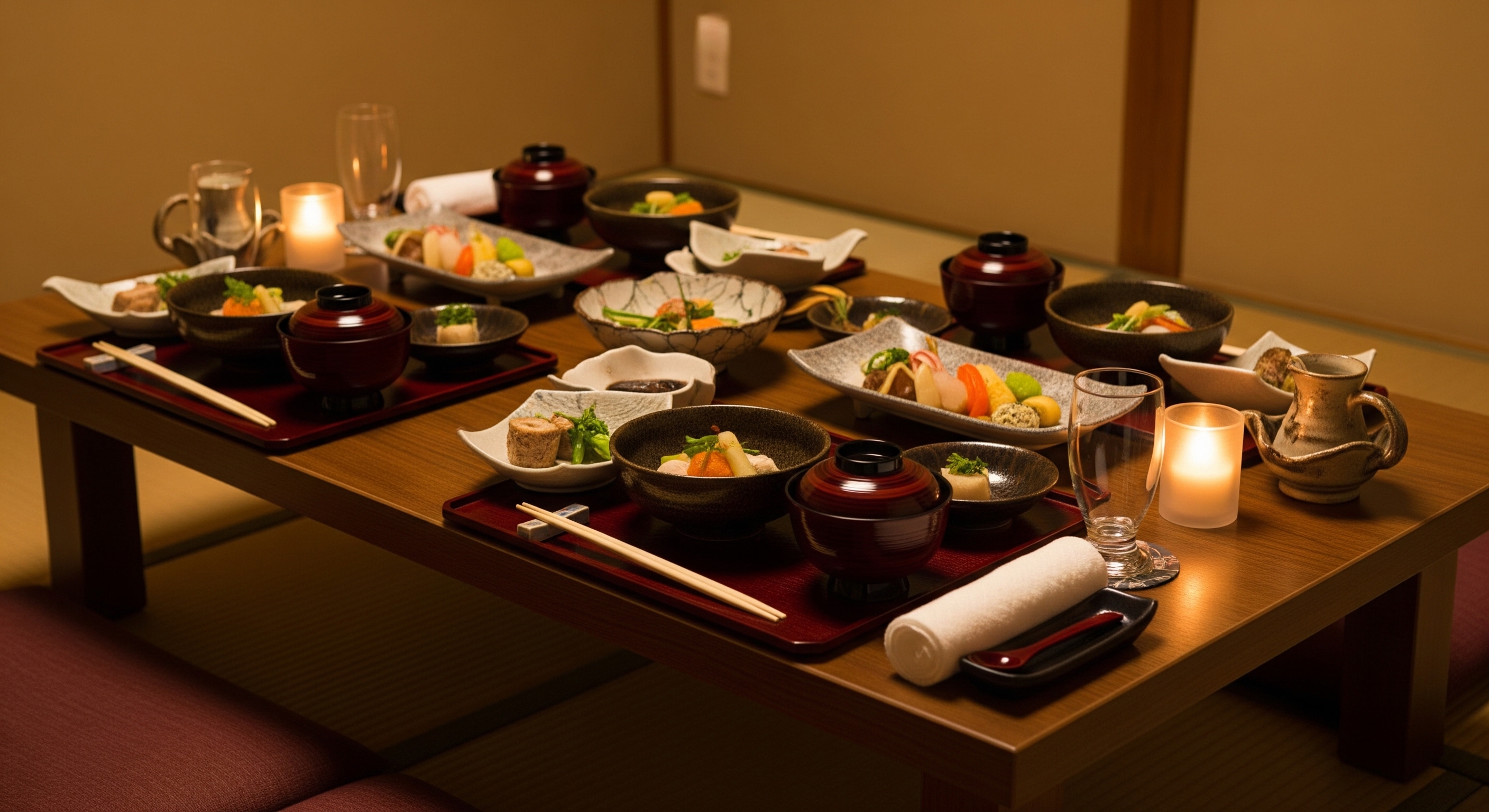
Where to See a Magic Show in Kyoto
A practical guide to where you can actually see magic in Kyoto: immersive cabaret, classic Gion magic bars, and high-end dinner-and-magic experiences, with maps and planning tips.
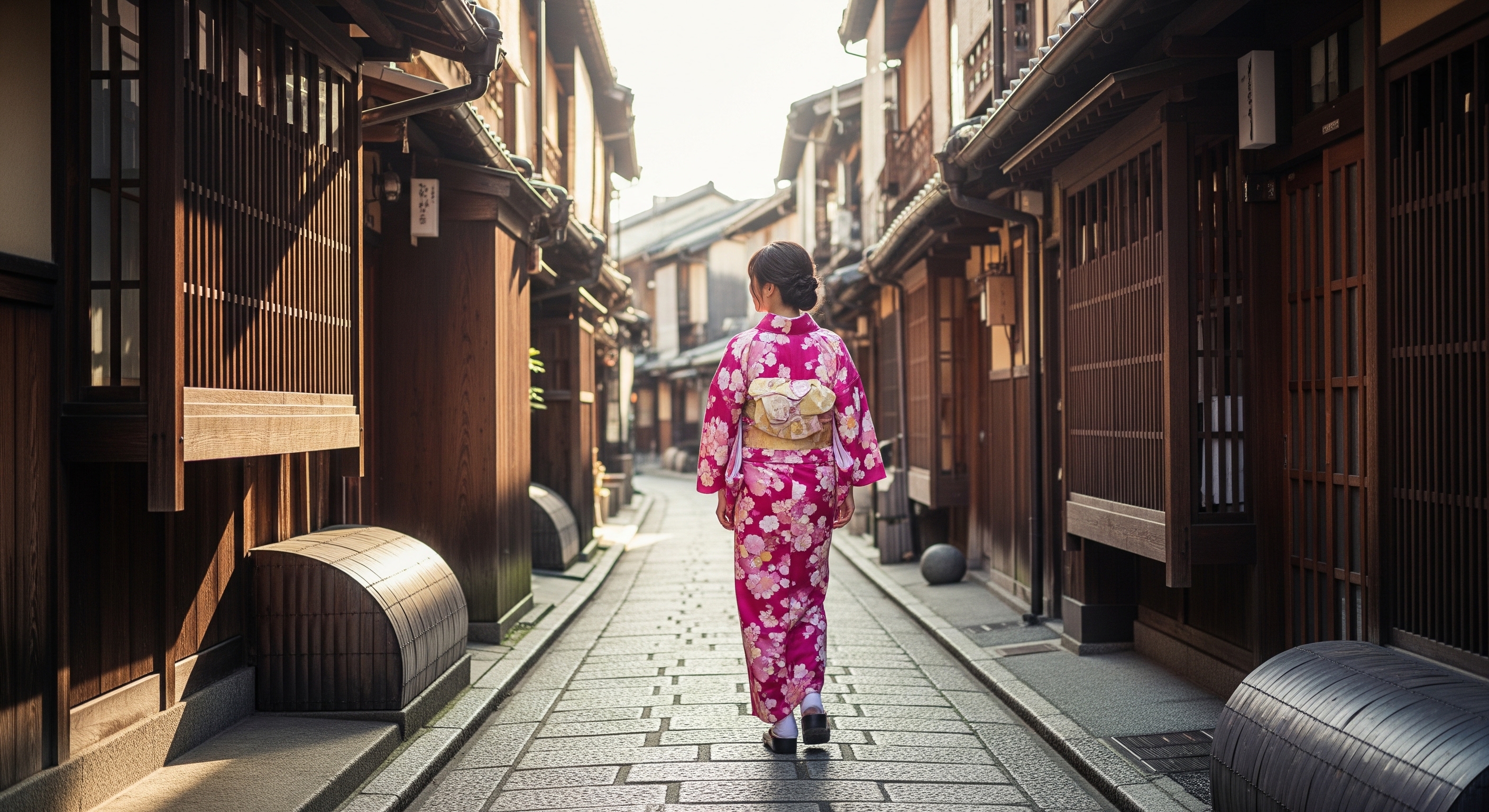
Kimono Rental in Kyoto: Best Shops & What It Costs
How to rent a kimono in Kyoto: prices, what's included, the best rental shops near Higashiyama and Gion, what to expect during dressing, and practical tips for wearing one all day.
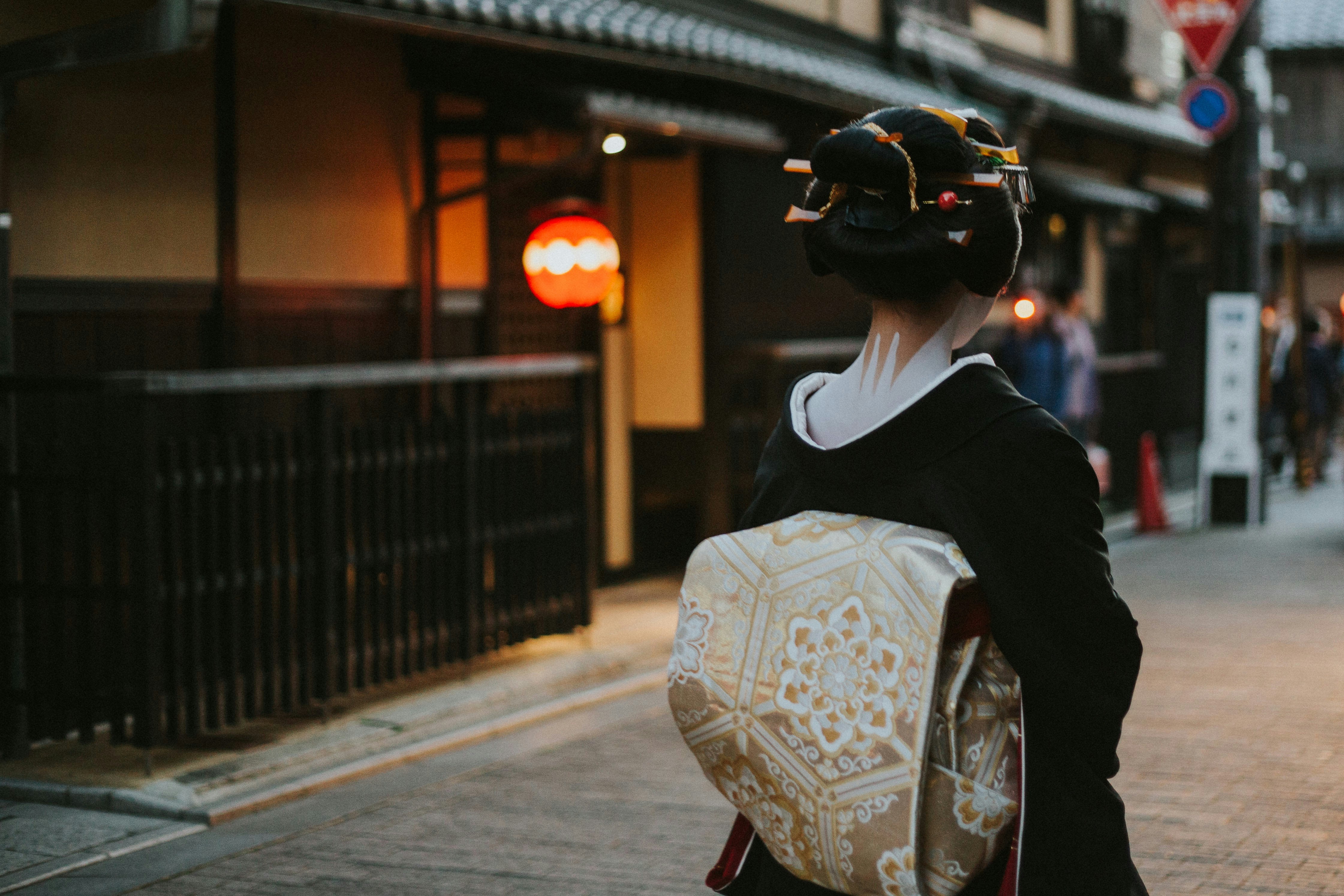
Maiko & Geisha in Kyoto: What to Know & How to Behave
A respectful guide to Kyoto's geisha culture: the difference between maiko and geisha, where and when you might see them, photography rules, and the history behind the hanamachi.
Local guide based in Gion, Kyoto. Leading intimate walking tours and sake experiences since 2018. Passionate about connecting travelers with authentic Kyoto culture.