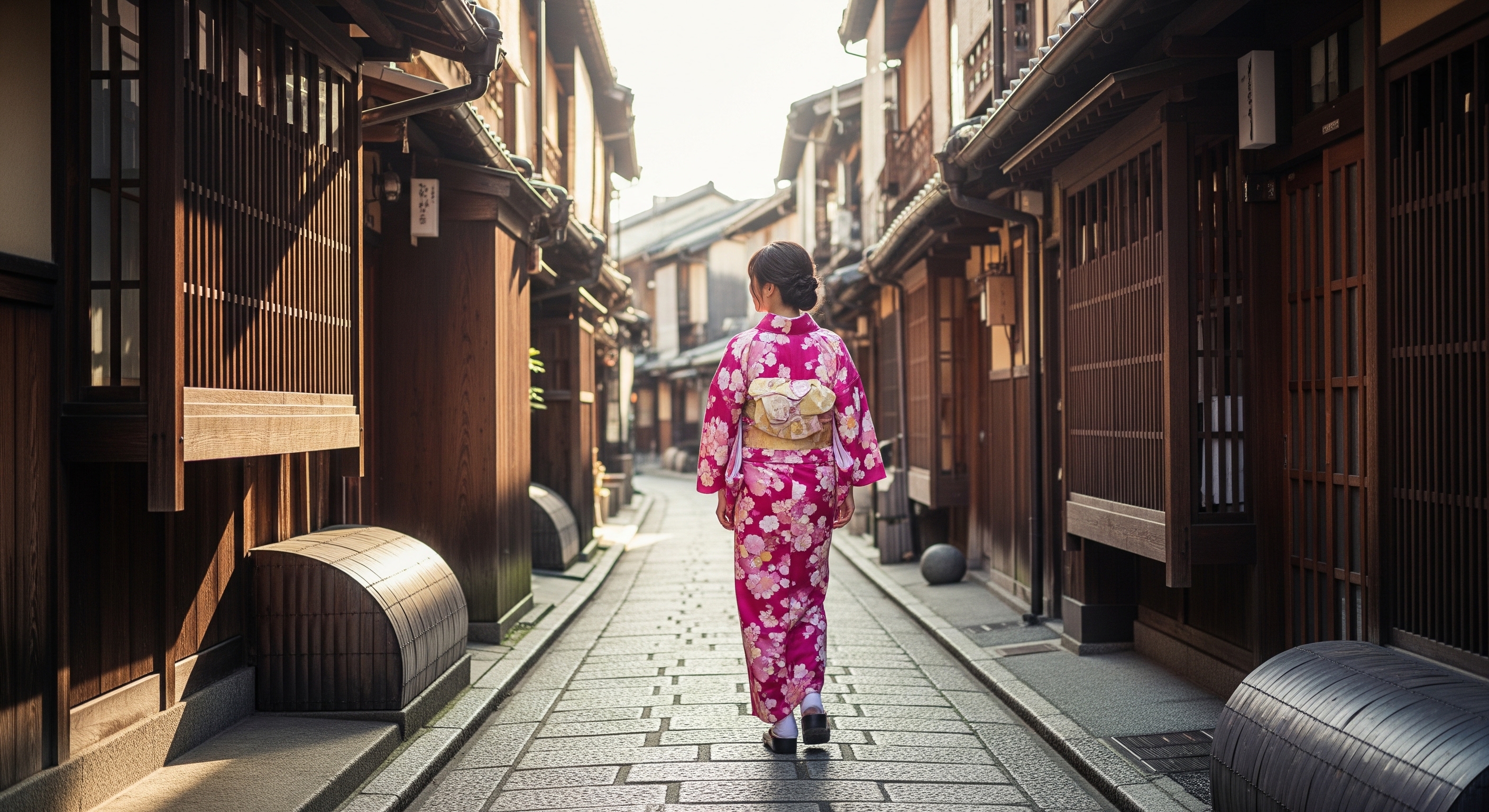
CULTURE
Kimono Rental in Kyoto: Best Shops & What It Costs
Kimono Rental in Kyoto: Best Shops & What It Costs
Why Rent a Kimono in Kyoto
Wearing a kimono while walking through Higashiyama, Gion, or Arashiyama is one of the most popular tourist activities in Kyoto — and with reason. The traditional dress contextualizes the surroundings in a way that changes how you experience the stone-paved lanes and temple gardens. It also produces excellent photographs in settings designed for the combination.
The rental market is well-developed and mostly reliable. Competition among shops keeps prices reasonable. The experience requires planning (book ahead, allow time for dressing) but the logistics are straightforward.
Book at least 3–7 days ahead online. During cherry blossom season (late March–April) and autumn foliage (November), shops fill up days in advance. Walk-ins are possible on quiet weekdays but unreliable during peak periods.
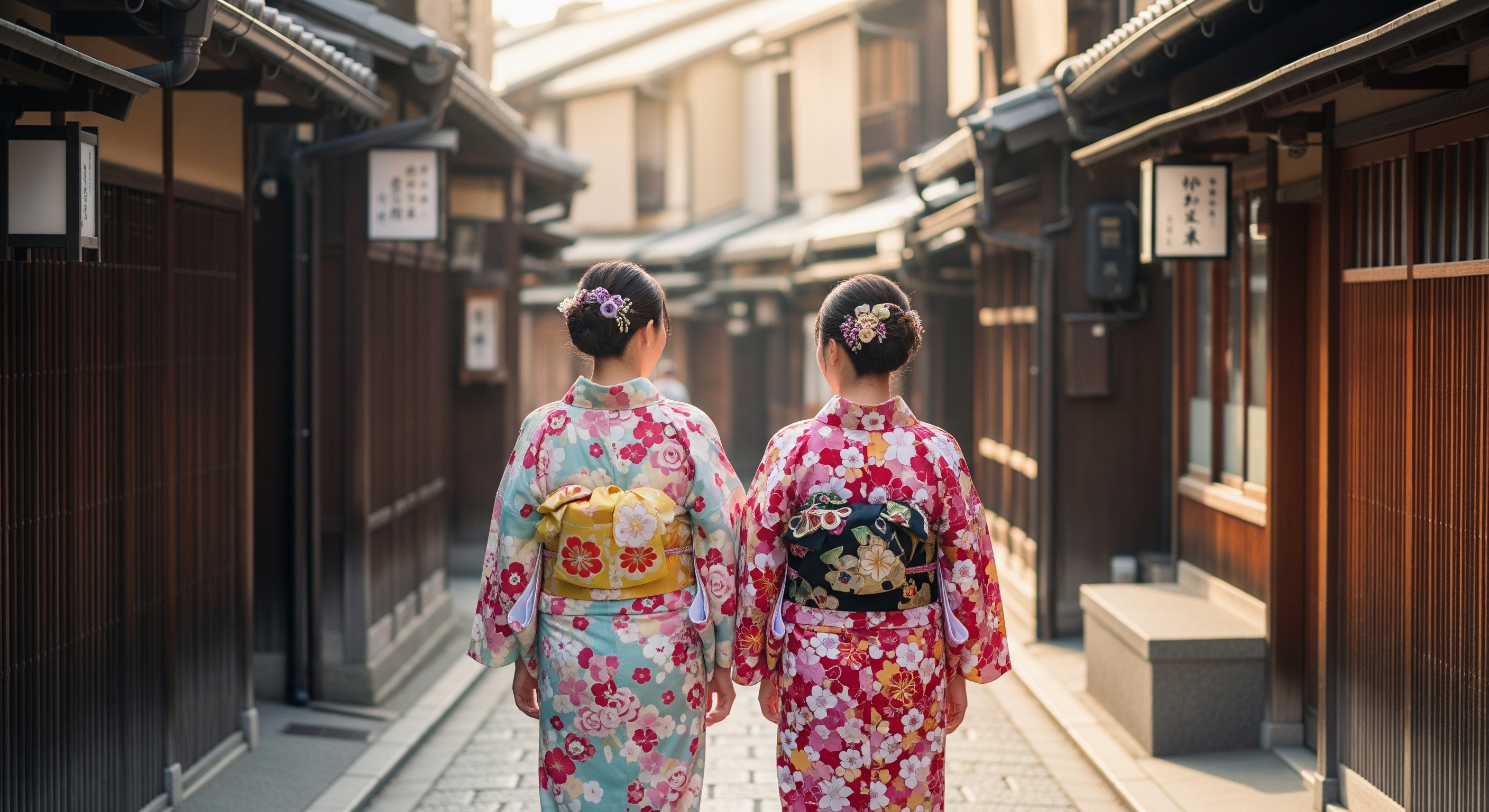 HIGASHIYAMA
 Types of Kimono
Kimono — The formal, layered garment with full length robe, multiple undergarments, and a structured obi (sash). What most people picture. Available for women in silk or synthetic fabric; the latter is the vast majority of rental stock. Men’s kimono is a simpler T-shape design.
Yukata — The lighter cotton summer version, appropriate from June through September. Easier to wear, less restrictive, cheaper to rent. Frequently rented in yukata-appropriate seasons and at ryokan (inns) as part of the stay.
Furisode — Long-sleeved formal kimono worn by unmarried women at formal events. Sometimes available at premium rental shops for special occasions.
The vast majority of rental kimono are synthetic fabric, not silk. Synthetic looks nearly identical in photographs and is more practical for a day of walking. Silk is only worth the premium price if you want a genuine textile experience or are doing serious portrait photography.
The Best Rental Areas
Higashiyama / Kiyomizudera Area
The highest concentration of kimono rental shops in Kyoto. Dozens of shops line the approaches to Kiyomizudera and along Ninenzaka and Sannenzaka. This area is the most popular because you’re immediately on photogenic stone-paved lanes after dressing.
Yumeyakata — One of the largest and most professional shops in the area, with a wide fabric selection and efficient dressing staff. Multiple locations. Standard packages ¥4,500–¥6,500.
Okamoto — Long-established shop near Kiyomizudera with silk options and premium packages. Well-suited for more serious photography purposes.
Relatively quiet before 10am — ideal for photos
Extremely crowded; kimono-wearers pack Ninenzaka and Sannenzaka
Gion Area
A few high-quality shops in Gion cater to people wanting to walk the Hanamikoji and Shimbashi streets in kimono — the most atmospheric combination.
Kyoto Kimono Rental Wargo — Multiple Kyoto locations including Gion. Competitive pricing at ¥3,980–¥5,980 for standard packages.
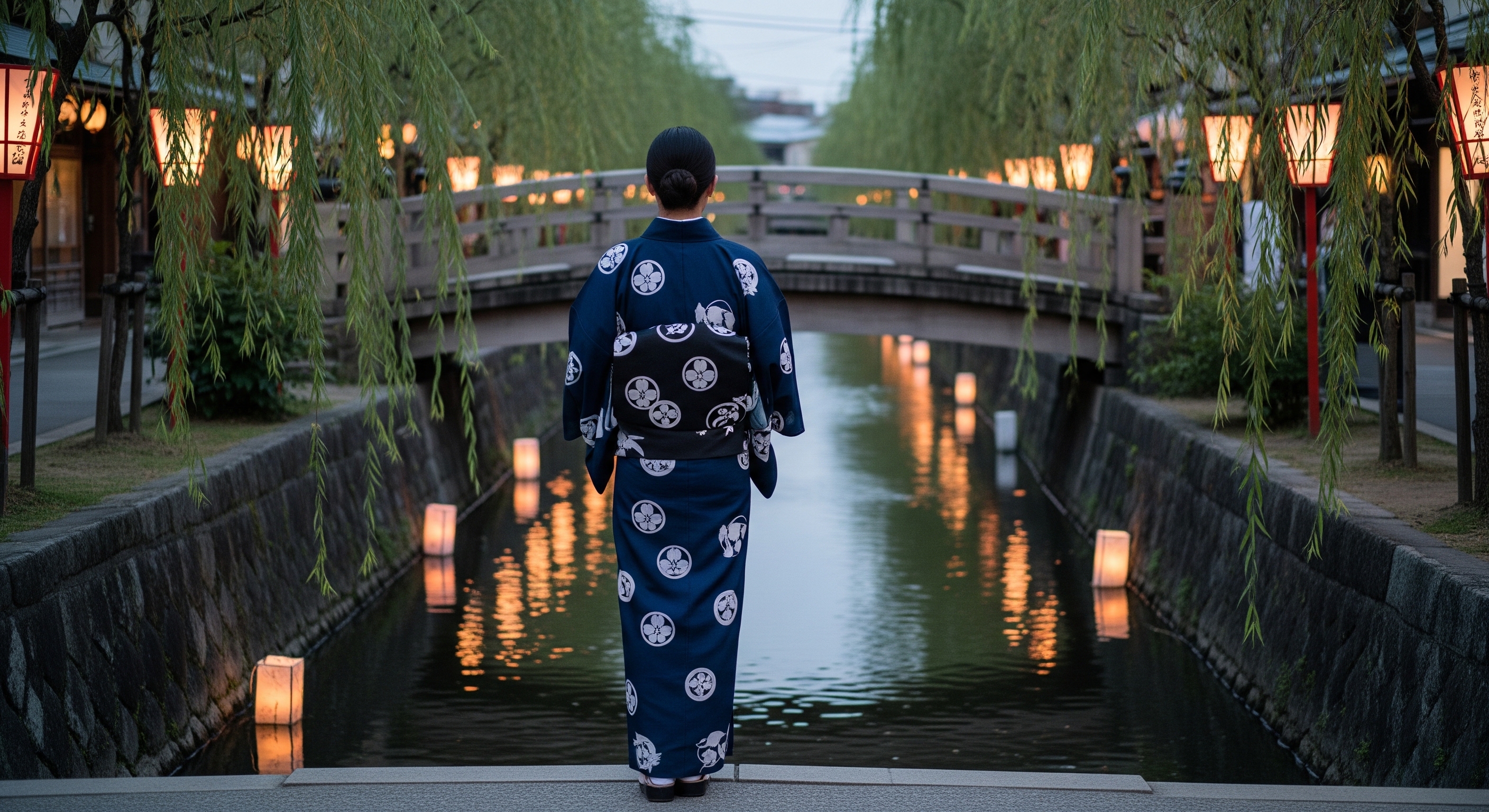 GION
GION Arashiyama Area
Several shops near Togetsukyo Bridge serve visitors wanting to walk the bamboo grove in kimono. Lower density of shops than Higashiyama, so book ahead.
Arashiyama has far fewer rental shops than Higashiyama. Walk-ins are nearly impossible on weekends or in peak season. Book before arriving, not the morning of.
What the Process Looks Like
- Arrival: Check in at your booked time. Many shops run in waves (9am, 10am, etc.).
- Selection: Browse fabric options and choose your kimono and obi combination. Staff often have opinions and the help is genuine — let them suggest what works.
- Dressing: Staff dress you in the proper layered order. The nagajuban (undergarment), then the kimono itself, then the obi. This takes 20–40 minutes.
- Hair styling: If included in your package, done after dressing. Usually kanzashi (hair ornaments) added. Takes 15–30 minutes.
- You leave. Walk the area. Return by the shop’s closing time (usually 5pm–6pm).
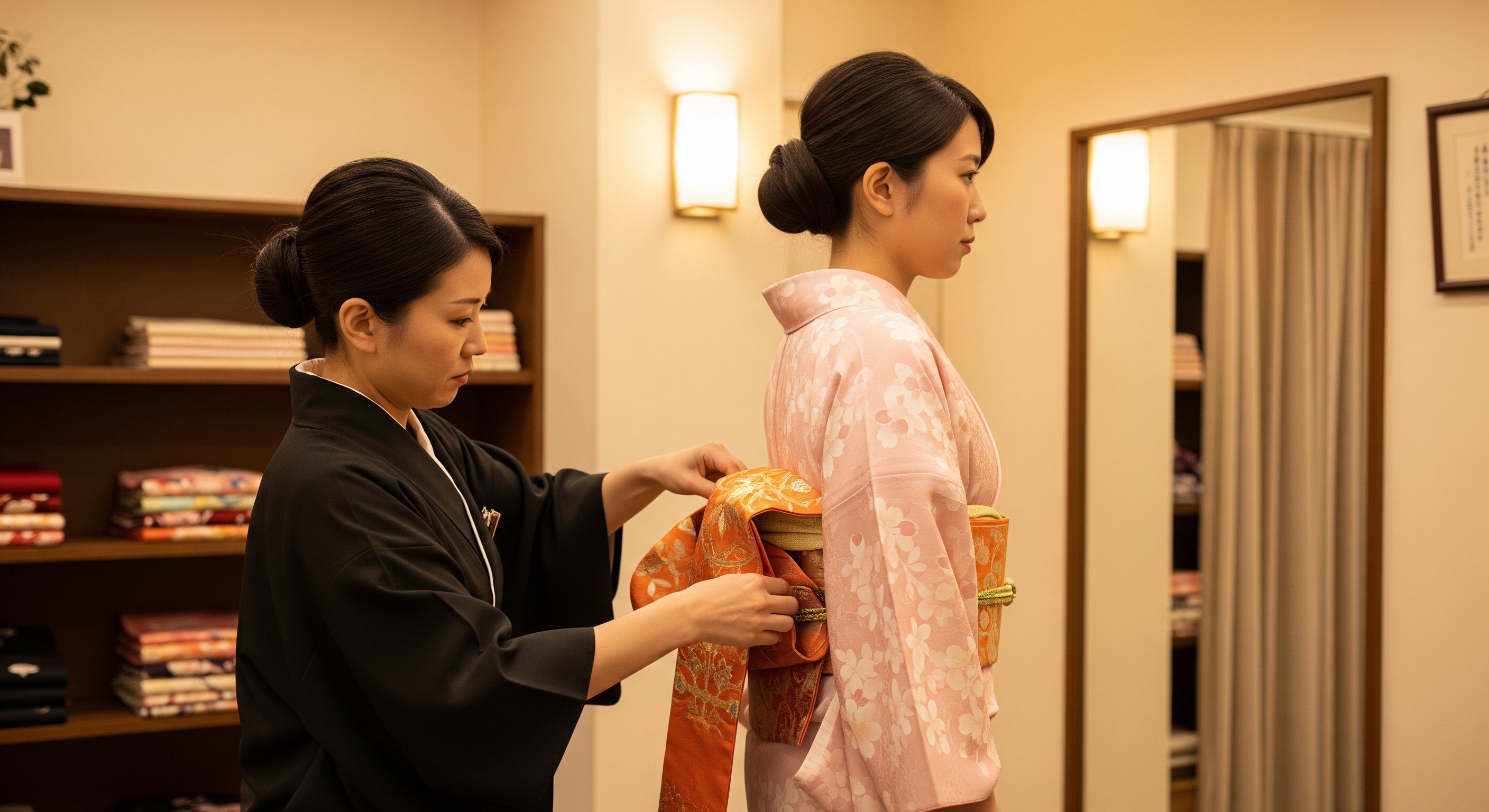 INSIDE THE SHOP
 Practical Tips
- Footwear: Zori sandals (or geta in summer) are included in most packages. They’re worn with split-toed tabi socks. The sandals are worn differently from Western shoes — the back hangs slightly off the heel.
- Stride: Kimono requires smaller, more careful steps. Not difficult to adapt to.
- Stairs: Temples and shrines often have stone staircases. Hold the hem of the kimono when going up to avoid tripping.
- Weather: Light rain is manageable with an umbrella (often provided by shops). Heavy rain is genuinely problematic — the fabric absorbs water and padding underneath constricts airflow. Some shops have cancellation/rescheduling policies for heavy rain.
- Return: Most shops require return by 5–6pm. Some offer overnight rental for ryokan stays.
If you’re comfortable with a simple updo, skip the hair styling add-on (usually ¥1,000–¥2,000 extra) and arrange your own hair before arriving. Most shops will add kanzashi hair ornaments regardless. You save money and cut 15–30 minutes off your start time.
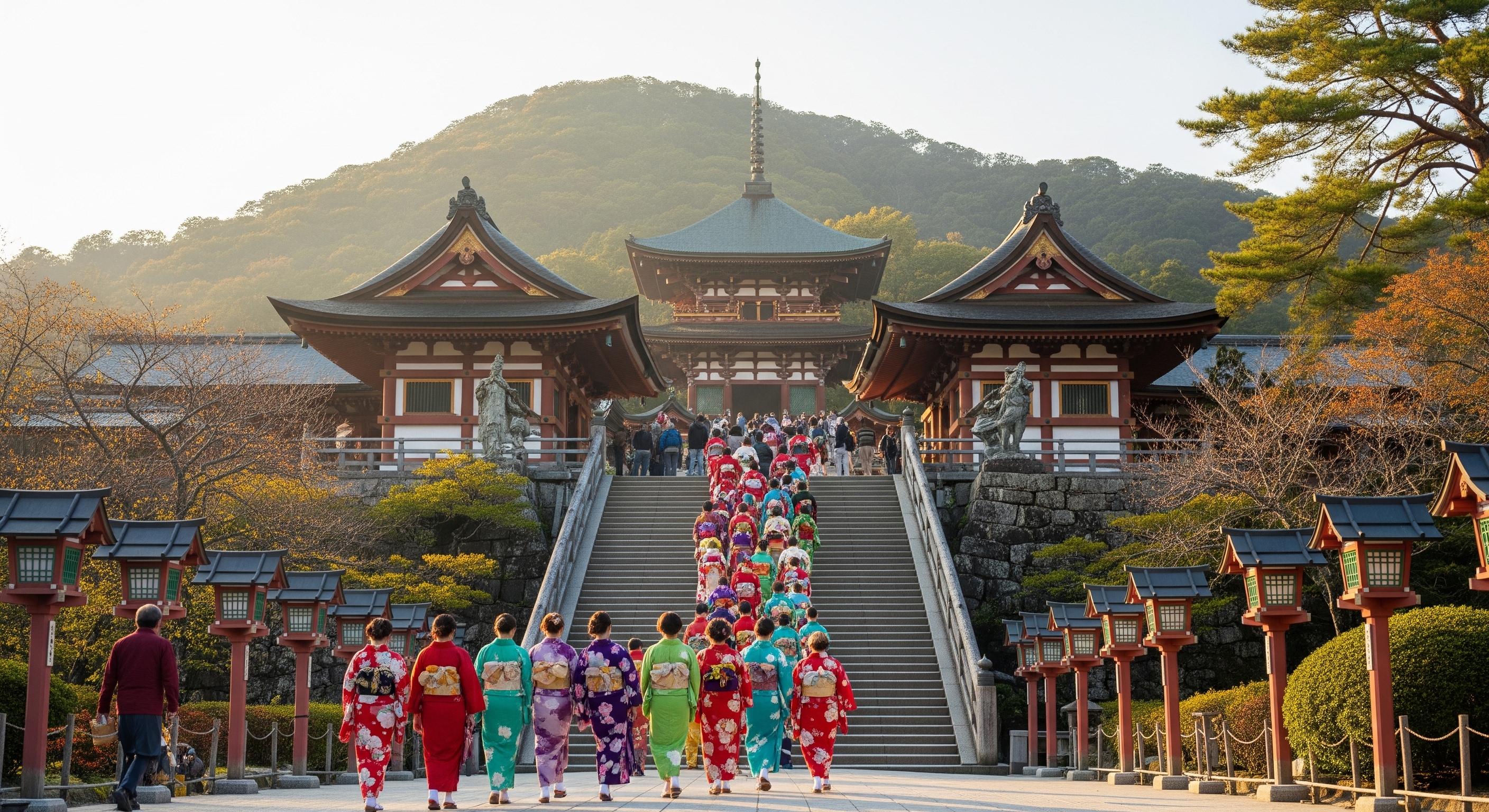 KIYOMIZUDERA
 Combine with: The Higashiyama walking guide and Gion district guide for where to walk while in kimono. Tea ceremony in Kyoto pairs naturally with a full kimono day.
Evening option: Our Gion Sake Walk — kimono-wearing is welcome and adds to the atmosphere.
// KYOTO LOCAL EXPERIENCE
EXPLORE KYOTO
WITH A LOCAL GUIDE
Skip the crowds and see the Kyoto most visitors never find. Small-group tours led by local experts — built around genuine stories, hidden spots, and real connections with the city.
FAQ
How much does kimono rental cost in Kyoto? ▼
Do I need to book kimono rental in advance? ▼
How long does kimono dressing take? ▼
Can I walk freely in a kimono? Is it comfortable? ▼
RELATED GUIDES
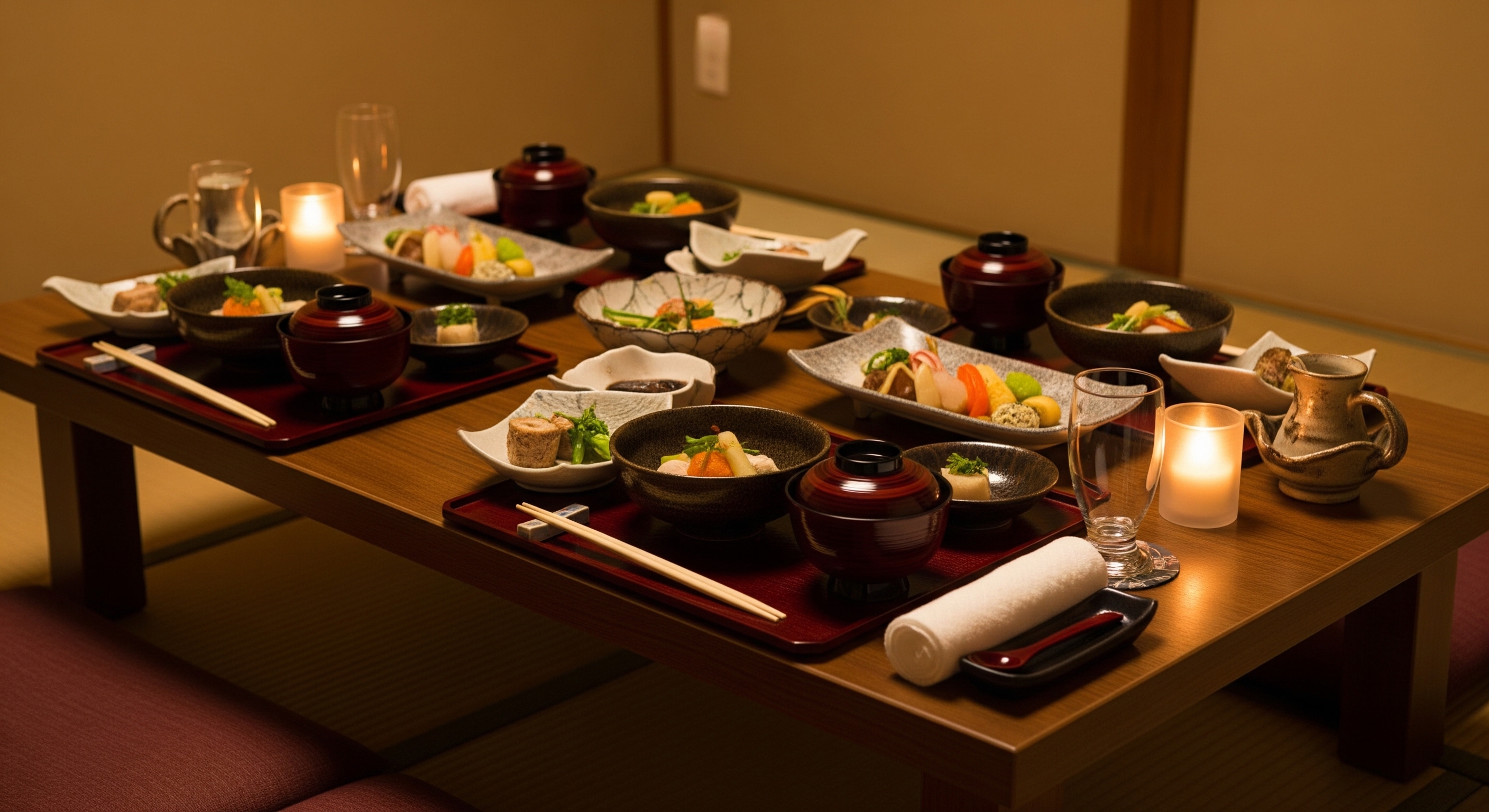
Where to See a Magic Show in Kyoto
A practical guide to where you can actually see magic in Kyoto: immersive cabaret, classic Gion magic bars, and high-end dinner-and-magic experiences, with maps and planning tips.

Is Tipping Rude in Japan? The Honest Answer
Do you tip in Japan, and is it rude? The honest answer: it is not expected, but for guides and small hosts, it can be genuinely appreciated.
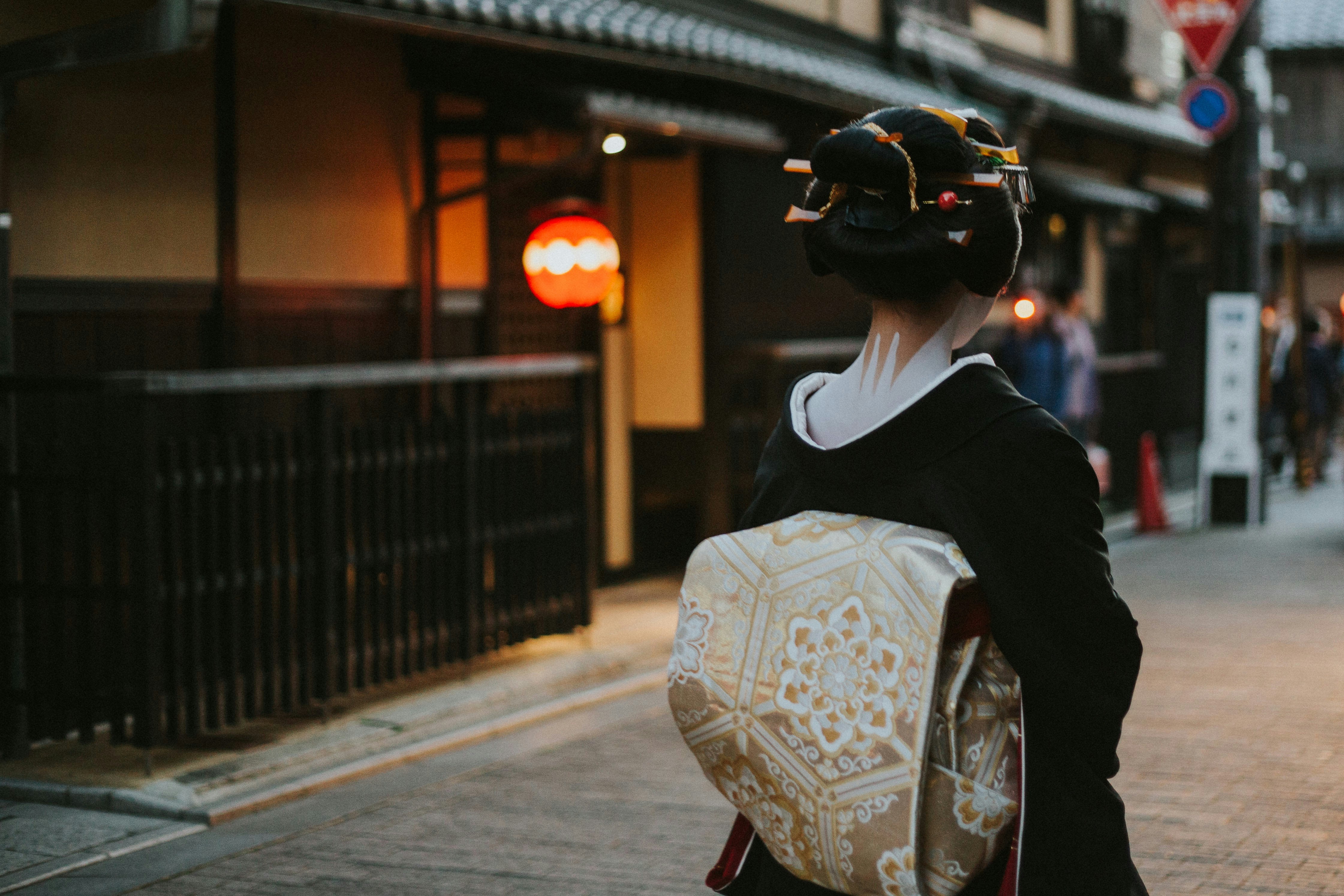
Maiko & Geisha in Kyoto: What to Know & How to Behave
A respectful guide to Kyoto's geisha culture: the difference between maiko and geisha, where and when you might see them, photography rules, and the history behind the hanamachi.
Local guide based in Gion, Kyoto. Leading intimate walking tours and sake experiences since 2018. Passionate about connecting travelers with authentic Kyoto culture.