NEIGHBORHOODS
Higashiyama District: Complete Walking Guide
Higashiyama District: Complete Walking Guide
About Higashiyama
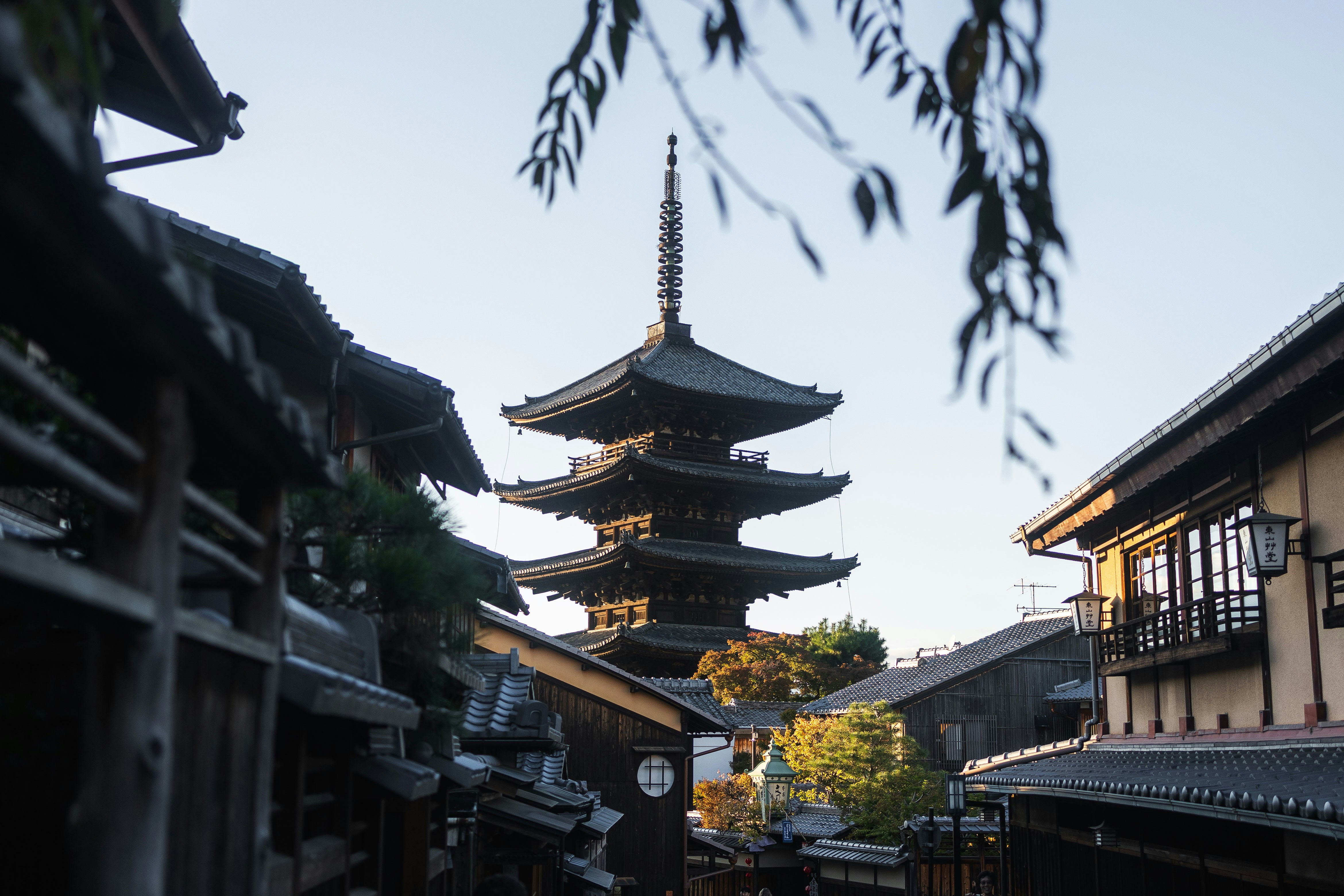
Higashiyama (“Eastern Mountains”) is the walking district that runs along the base of the hills on Kyoto’s eastern edge, from Kiyomizudera in the south to Nanzenji and beyond in the north. The 3km stretch between Kiyomizudera and Yasaka Shrine is Kyoto’s most famous walk and one of the best-preserved historic streetscapes in Japan.
The core of the district — Sannenzaka and Ninenzaka — consists of narrow stone-paved lanes lined with two-story machiya townhouses, most operating as shops, tea houses, or restaurants. The preservation here is genuine, not reconstructed: most buildings date from the Meiji and Taisho periods, with some Edo-era structures still standing.
 SANNENZAKA
 This walk is busy. On weekend afternoons in cherry blossom or autumn leaf season, it becomes uncomfortably crowded. Morning visits (before 10am) transform the experience.
Stone lanes nearly empty, best light for photos
Moderate foot traffic, manageable
Extremely congested — nearly impossible to walk freely
Busy but atmospheric; queues form at Kiyomizudera
The Route
Kiyomizudera (Start)
Begin at Kiyomizudera, the hilltop temple with the famous wooden stage. Arrive when it opens at 6am for the clearest experience. Budget 60–75 minutes inside. See the full guide for what to see within the complex.
Take city bus 206 or 100 from Kyoto Station to Gojo-zaka or Kiyomizu-michi stop. The walk uphill from the bus stop takes about 10 minutes. Arriving by taxi or rideshare drops you at the same stops.
Sannenzaka
Exiting Kiyomizudera, walk downhill through Kiyomizuzaka lane and turn onto Sannenzaka (“Three-Year Slope”). This is where the photogenic Higashiyama streetscape begins — smooth stone-paved path with traditional facades on both sides.
The slope is steep enough that a superstition developed: falling on Sannenzaka brings three years of bad luck. This keeps the walking pace naturally slow and careful.
The “three years of bad luck” legend is real folklore — locals and longtime visitors take it half-seriously. Whether you believe it or not, the uneven stones genuinely warrant careful footing, especially when wet or after rain.
Ninenzaka
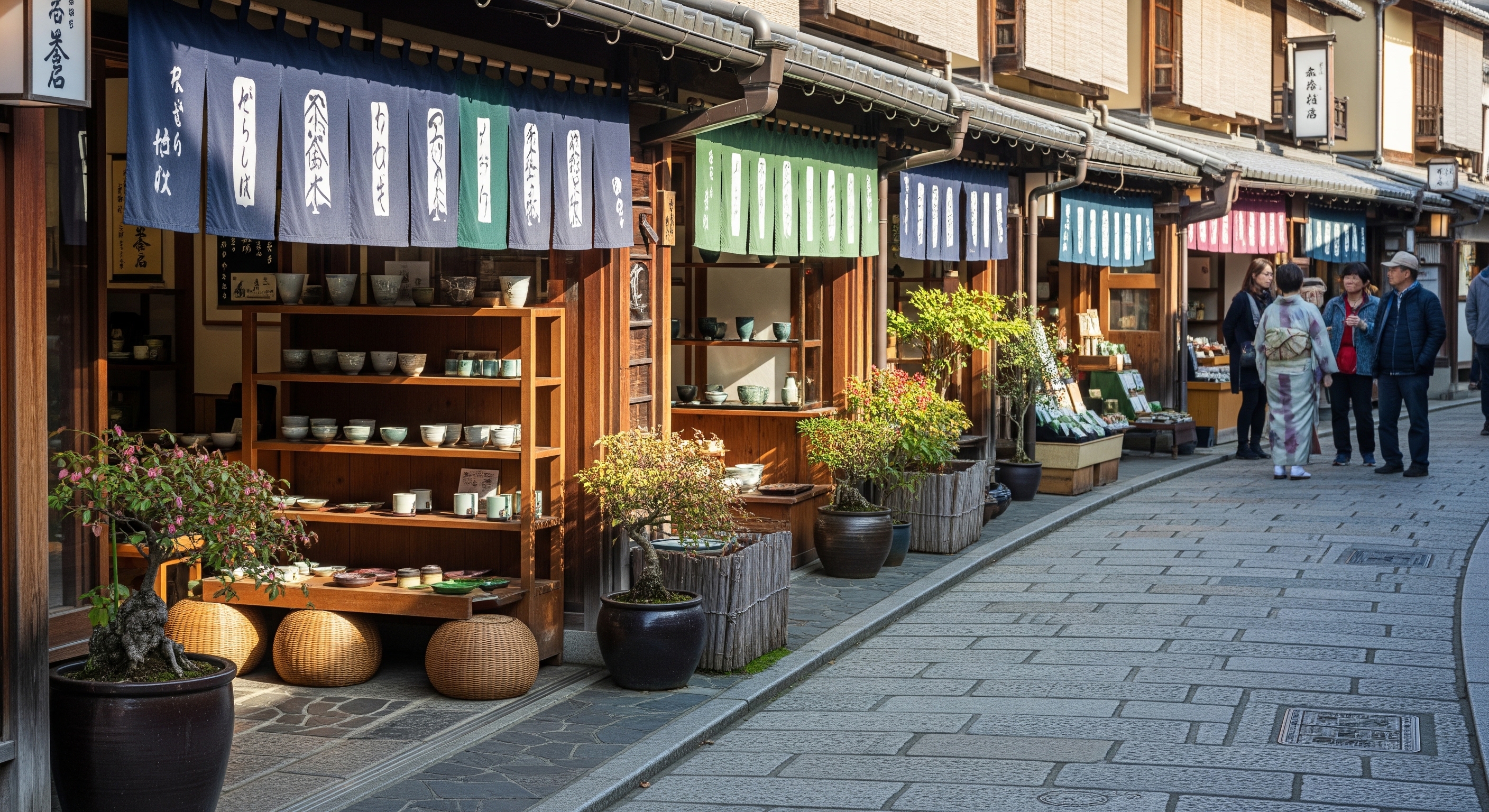
At the bottom of Sannenzaka, a sharp turn leads onto Ninenzaka (“Two-Year Slope”) — a shorter, gentler path that continues northward. The two slopes together form the continuous core of the historic district.
Along both slopes: ceramic shops, lacquerware, matcha soft serve, yatsuhashi sweets, and traditional textile goods. The shopping is better quality here than most Kyoto tourist areas — look for established old shops rather than the newest storefronts.
The older shops on Ninenzaka — recognizable by worn signage and deeper product ranges — typically stock better-quality ceramics and lacquerware than the newer, more generic souvenir storefronts. Price isn’t always the indicator; age of the shop usually is.
 NINENZAKA
 Ishibei-koji Lane
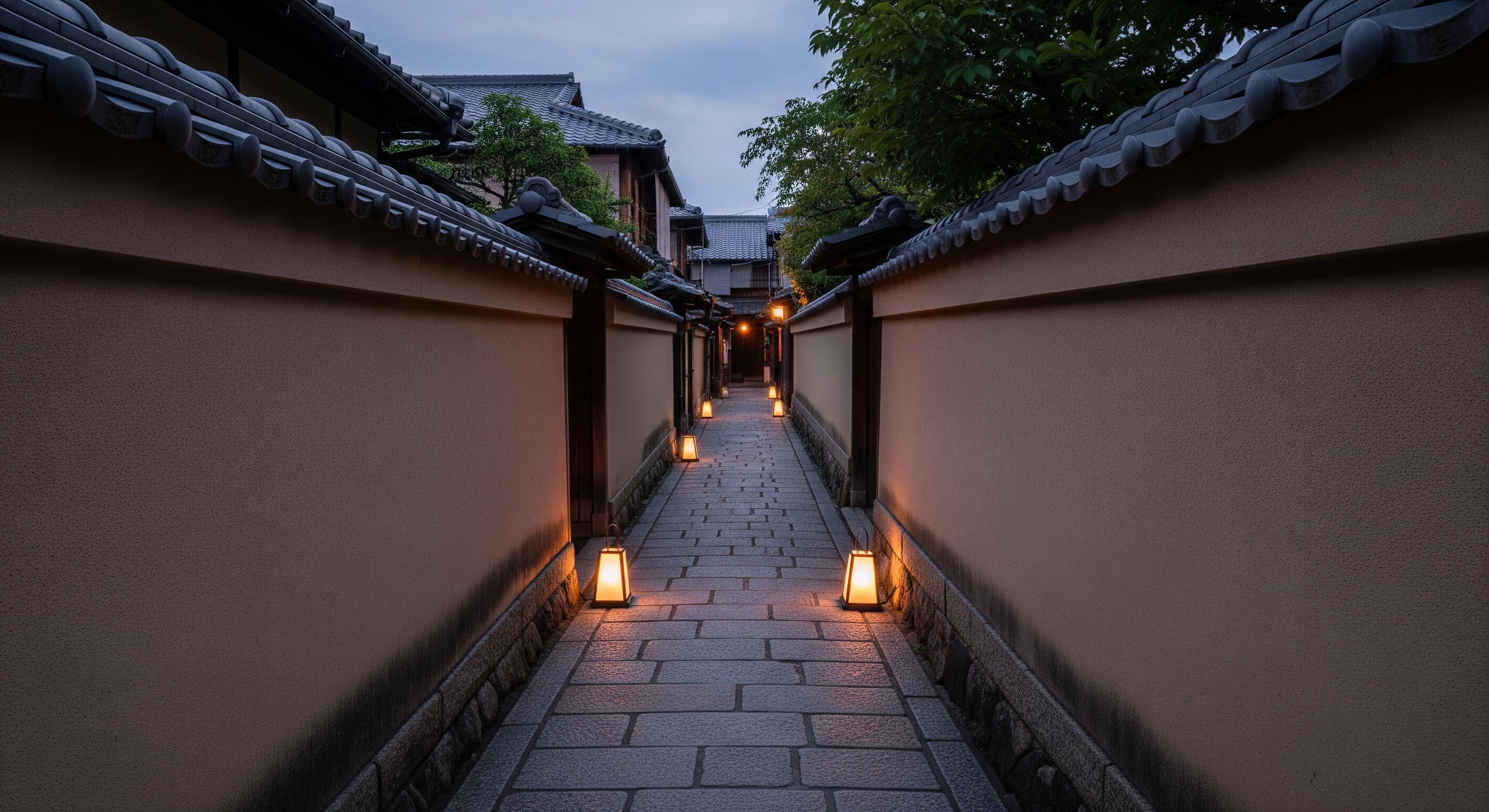
A short detour off the main path between Ninenzaka and Kodaiji. This hidden lane is everything you’d hope Kyoto could look like: flat stone paving, high traditional walls, lanterns at eye level, no souvenir shops. Very few people even during peak season. Walk it slowly.
Most visitors miss Ishibei-koji entirely. It runs parallel to the main tourist route but is accessed through a small gap in the wall that’s easy to walk past. Look for the stone-paved alley heading east just before Kodaiji’s entrance road. There are no signs pointing to it from the main path.
 ISHIBEI-KOJI
 Kodaiji Temple
Founded in 1606 by Nene, wife of Toyotomi Hideyoshi, Kodaiji is known for its exquisite lacquerwork and the atmospheric bamboo grove on its grounds. ¥600. The garden illumination events in spring and autumn are among Kyoto’s best.
Kodaiji runs garden light-up events in spring (late March–May) and autumn (mid-October–December). These evening events are separate from daytime entry and worth planning around — the bamboo grove and teahouses illuminated against the dark hillside are genuinely memorable.
Maruyama Park
The large public park adjacent to Yasaka Shrine. Famous for its weeping cherry tree, which is lit at night during blossom season. Always open, always free. The shidare-zakura (weeping cherry) is over 70 years old and one of Kyoto’s most celebrated trees.
Yasaka Shrine (End)
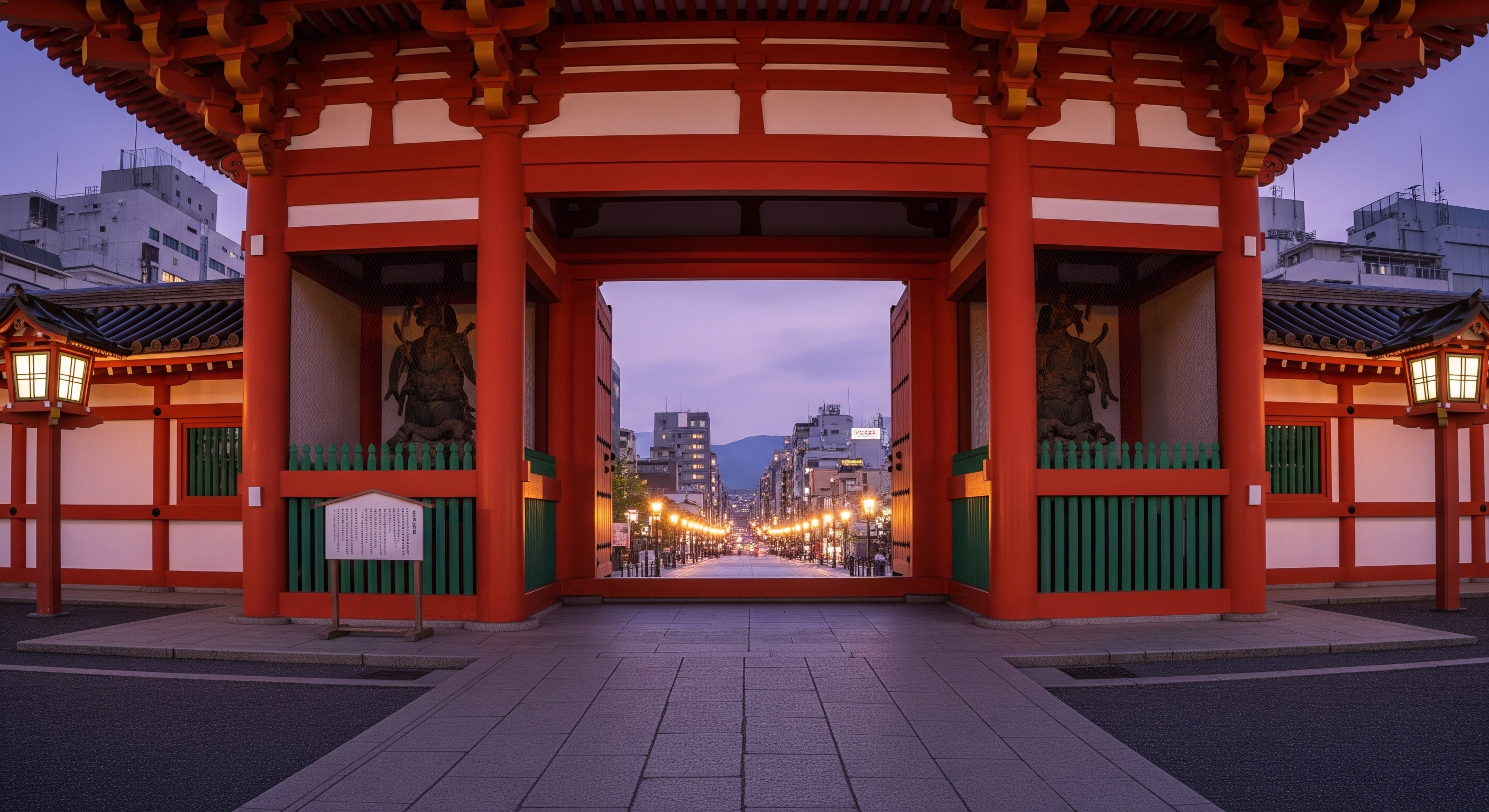
The graceful Gion-style main gate (nishi-romon) sits at the western edge of Higashiyama, opening directly onto Shijo Avenue. Free, always open. This is the heart of the Gion festival in July.
From Yasaka Shrine, Gion-Shijo Station (Keihan Line) is a 5-minute walk south, or Kawaramachi Station (Hankyu) is 10 minutes west.
 YASAKA SHRINE
 Tips for the Walk
- Go south to north (Kiyomizudera → Yasaka). This puts morning light in front of you on the lower sections and means the busiest part (Kiyomizudera) is behind you as crowds build.
- Wear shoes for cobblestones. The stone paths are uneven; flat soles work better than heels.
- Eat on the route. The small tea houses along Ninenzaka serving matcha and mochi are legitimate — find one that looks local rather than tourist-chain, sit down, and take the break.
Sannenzaka and Ninenzaka are paved with irregular stone slabs that become slippery when wet. Heels, smooth-soled dress shoes, and flip-flops are a genuine hazard — particularly on the steeper Sannenzaka descent. Flat rubber soles are the practical choice.
Continue to: The Gion District Guide picks up where Higashiyama ends at Yasaka Shrine. For the Kiyomizudera deep-dive, see the Kiyomizudera Visitor Guide.
Guided evening option: Our Gion Sake Walk explores the neighborhood after dark — perfect after a morning Higashiyama walk.
// KYOTO LOCAL EXPERIENCE
EXPLORE KYOTO
WITH A LOCAL GUIDE
Skip the crowds and see the Kyoto most visitors never find. Small-group tours led by local experts — built around genuine stories, hidden spots, and real connections with the city.
FAQ
How long is the Higashiyama walk? ▼
Do I need to pay to walk through Higashiyama? ▼
When is the best time for the Higashiyama walk? ▼
Where does the Higashiyama walk start and end? ▼
RELATED GUIDES
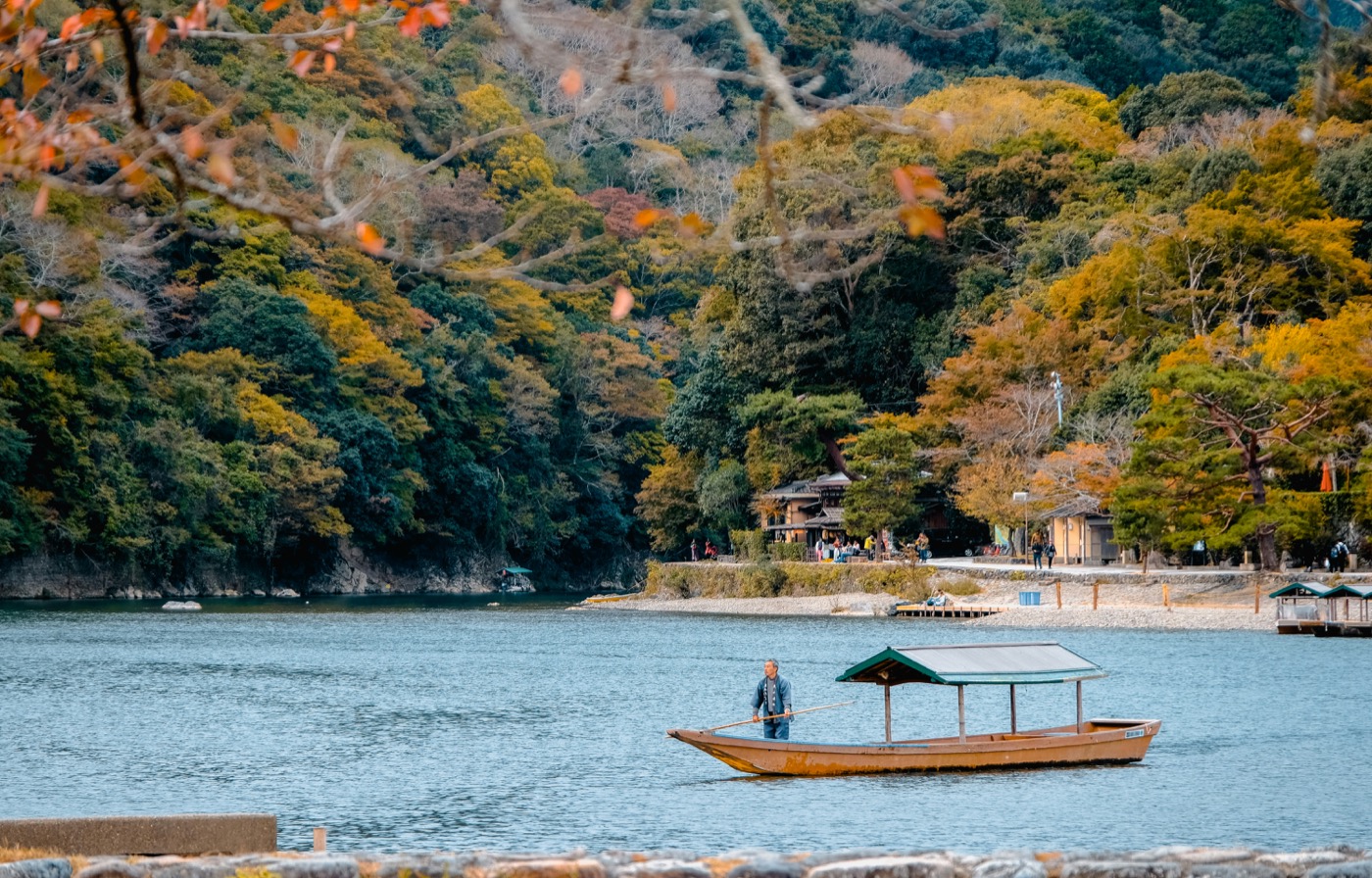
Arashiyama Guide: Bamboo, Temples & Riverside Walks
Complete guide to the Arashiyama district: what to see beyond the bamboo grove, the best walking routes, hidden temples, and how to spend a half or full day here.
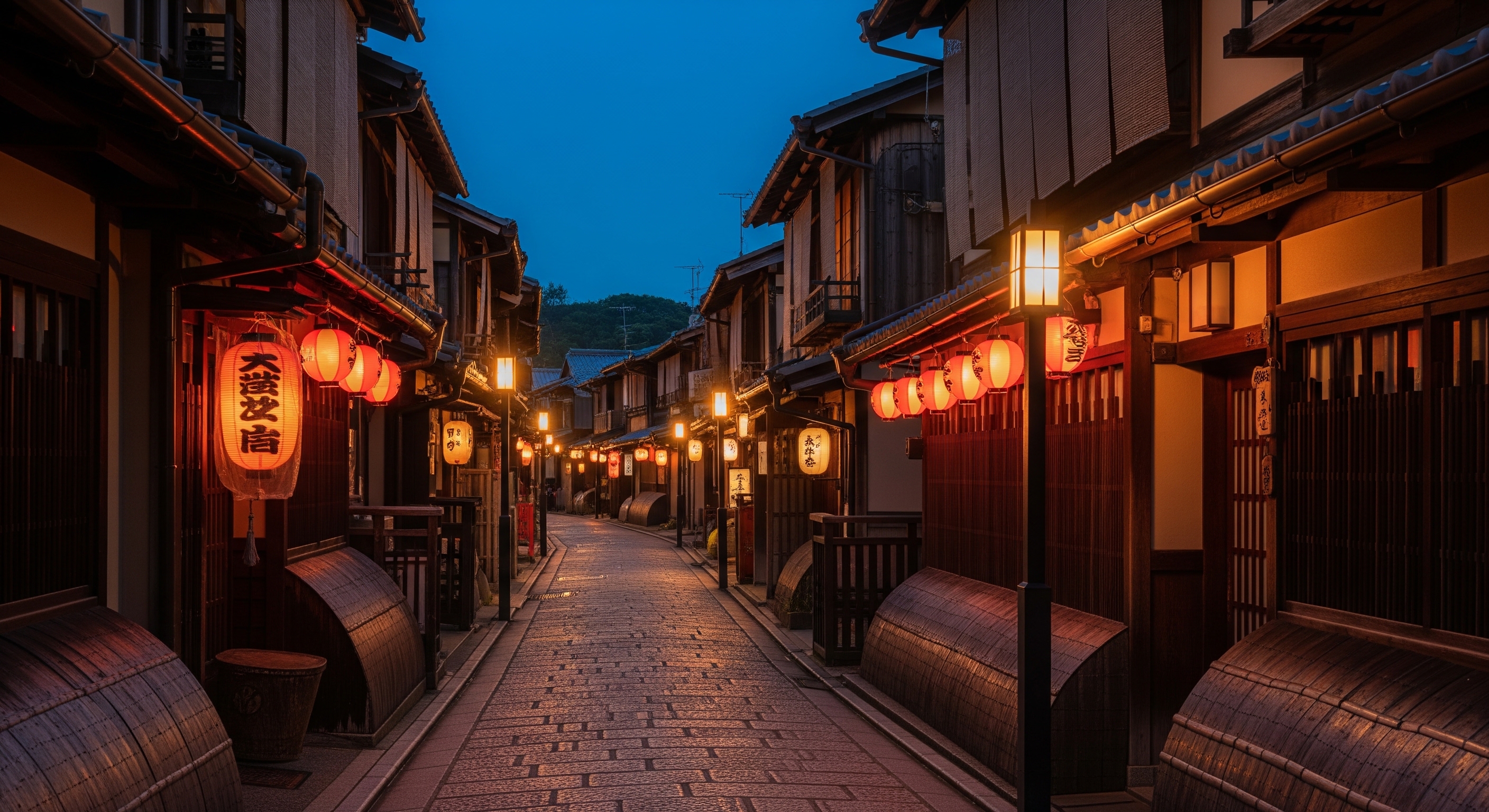
Gion District Guide: Geisha, Evening Walks & Hidden Spots
Navigate Gion like a local: where to spot maiko, which streets to explore at dusk, the best bars and restaurants, and what to avoid in Kyoto's most famous district.
Local guide based in Gion, Kyoto. Leading intimate walking tours and sake experiences since 2018. Passionate about connecting travelers with authentic Kyoto culture.