SIGHTS
Kiyomizu-dera Temple: Tickets, Hours & Visitor Tips
Kiyomizu-dera Temple: Tickets, Hours & Visitor Tips
Fast Facts
About the Temple
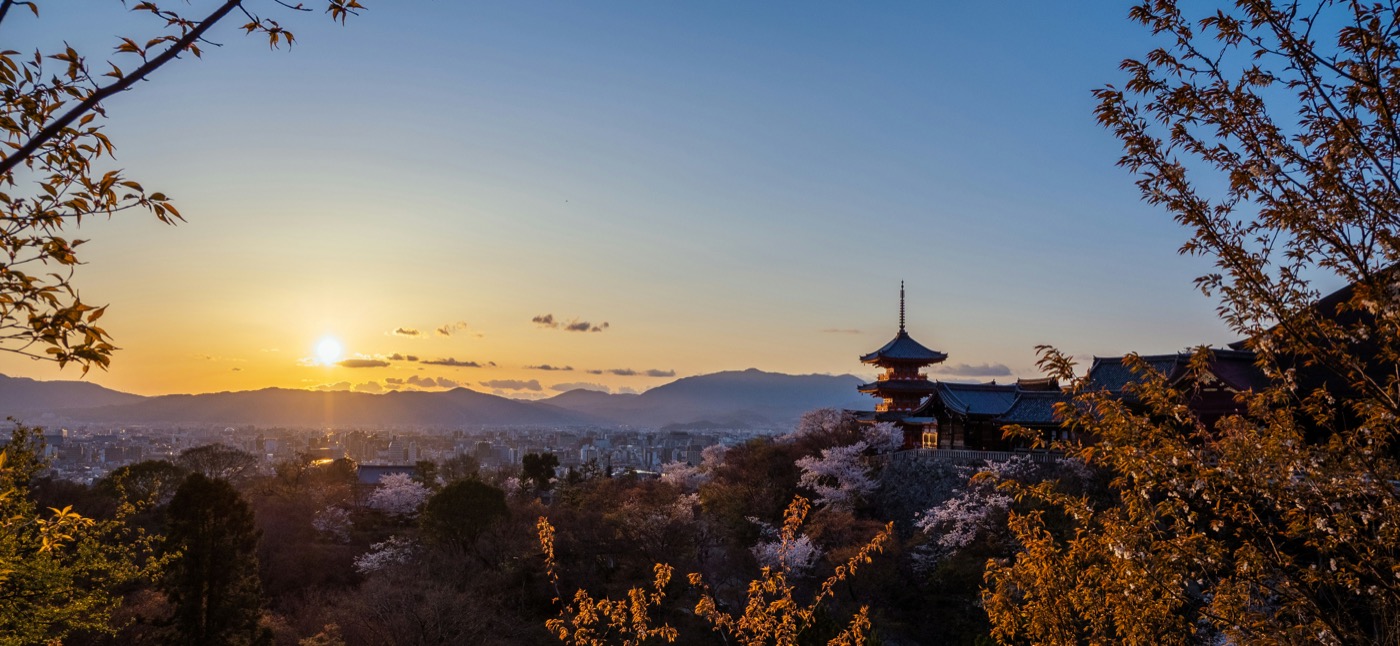
Kiyomizudera (literally “Pure Water Temple”) stands on the wooded eastern hills of Higashiyama, founded in 778 CE. The current buildings date to 1633, rebuilt by the Tokugawa shogunate. It is a UNESCO World Heritage Site and one of Japan’s most visited religious sites.
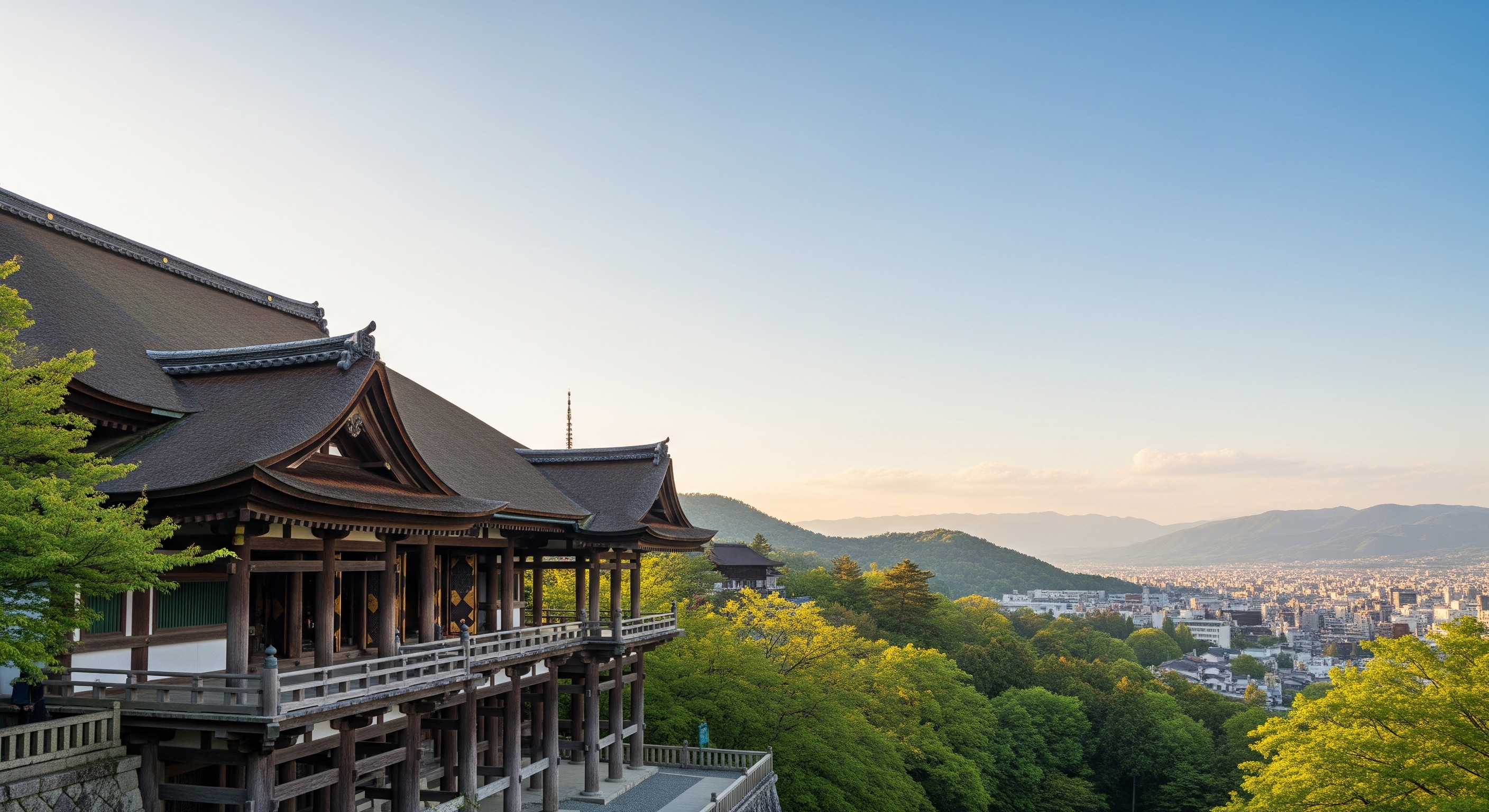
The temple is famous for its butai — a large wooden stage extending 13 meters out from the main hall over the forested hillside, constructed without a single nail using a complex interlocking timber framework. The phrase kiyomizu no butai kara tobioriru (“jumping off the Kiyomizu stage”) is a Japanese expression meaning to make a bold, irreversible decision.
The complex is larger than most visitors expect. Allow time to explore beyond the main hall.
 MAIN HALL
 Getting There
By bus: City Bus 100 (tourist route) or 206 from Kyoto Station to Gojo-zaka — about 15–20 minutes. From the bus stop, walk 10–15 minutes uphill along souvenir-lined Kiyomizuzaka lane.
By taxi: ~¥900–¥1,200 from Kyoto Station. Taxis can drop you closer to the gate than buses.
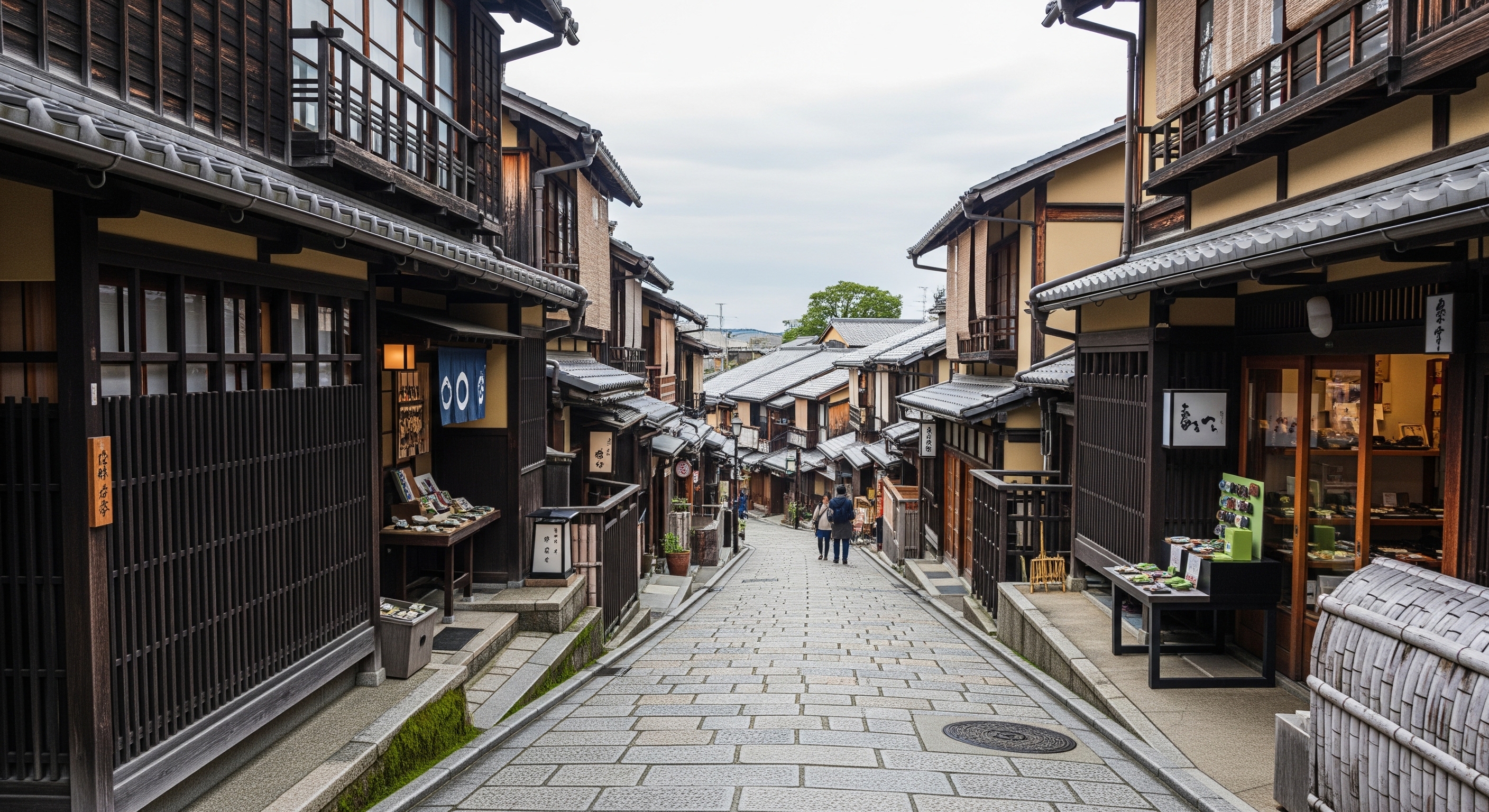
On foot from Higashiyama: If you’re walking the Higashiyama district, Kiyomizudera sits at the southern end of the walk. Start at Yasaka Shrine, walk through Ninenzaka and Sannenzaka, and arrive at Kiyomizudera from above.
Walking down from Yasaka Shrine through Ninenzaka and Sannenzaka is far more atmospheric than climbing up Kiyomizuzaka with the bus crowds. Start at Yasaka and end at the temple for the most enjoyable experience.
Crowd Timing
Near-empty grounds, soft morning light on the stage
Some visitors but still manageable
Peak tour group hours — avoid if possible on weekends and holidays
Crowds thin out in late afternoon
What to See at the Temple
Main Hall & Wooden Stage
The hondo (main hall) is the visual centerpiece. The stage faces west toward the city — views are best in early morning before haze builds. During cherry blossom and autumn foliage seasons, the hillside below the stage explodes in color.
Inside the hall, the central image of Kannon (the thousand-armed bodhisattva of compassion) is normally hidden — it’s revealed only every 33 years.
The best shot of the main stage is from Okuno-in sub-temple to the north of the main hall. Walk past the main hall entrance and look back — you’ll see the full stage with forested hillside and pagoda behind it. This is the classic postcard view.
Otowa Waterfall
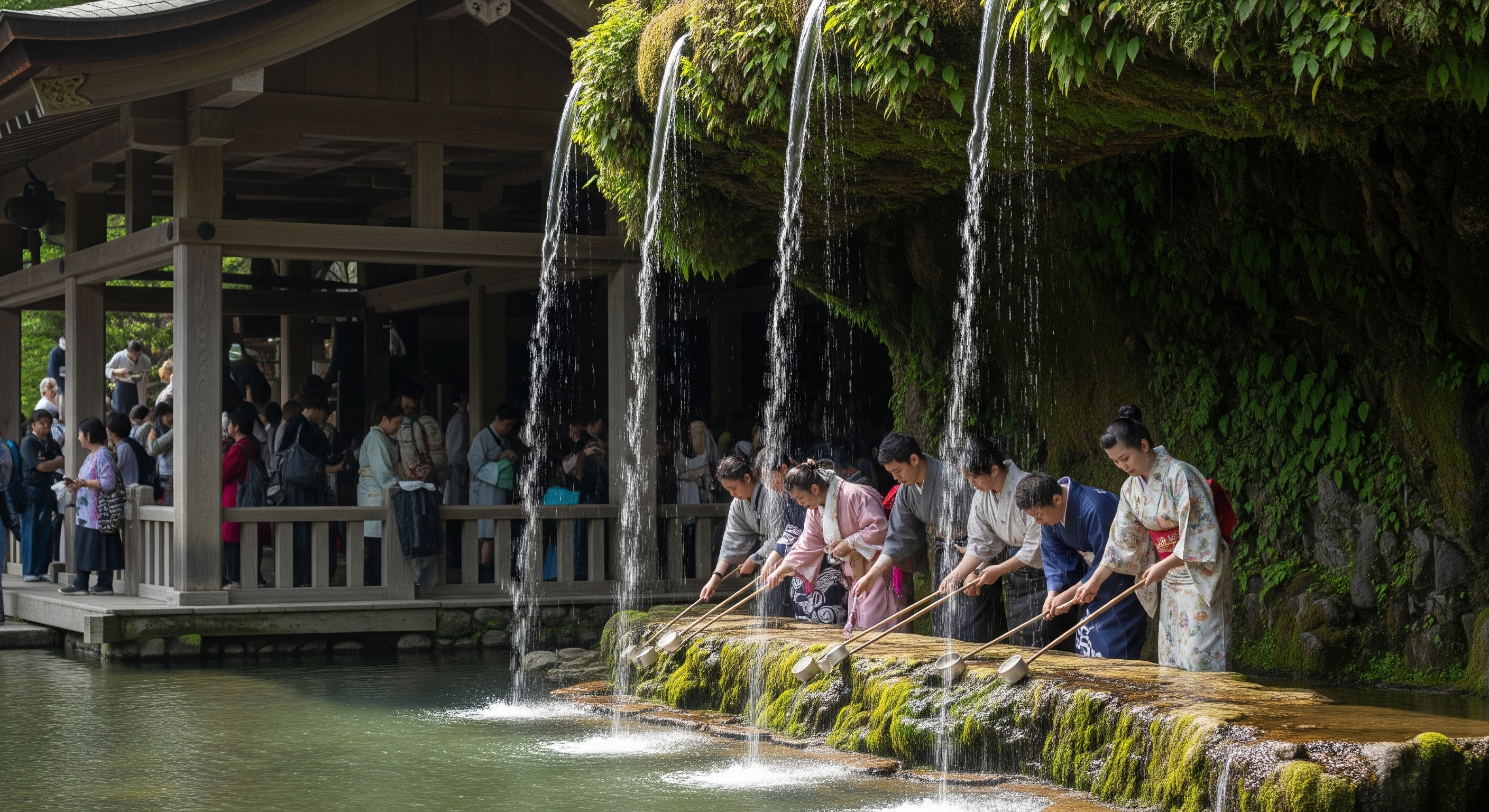
Below the main stage, three separate streams of water flow from a cliff. Visitors drink from long-handled cups attached to chains. Each stream supposedly grants a different wish: longevity, success in school, and fortunate love — though you’re only supposed to drink from one or two, not all three (greedy).
 OTOWA
OTOWA Jishu Shrine
Just behind the main hall, this small shrine is dedicated to the Shinto god of love and matchmaking. Two “love stones” stand 18 meters apart. The tradition: walking between them with your eyes closed (unaided) predicts success in finding love. Very popular with Japanese students.
Tainai-meguri
Beneath Zuigudo Hall, a pitch-black corridor represents the womb of a bodhisattva. You feel your way through complete darkness holding a rope. Exits through a small glowing stone symbolizing rebirth. ¥100, worth it.
The underground passage beneath Zuigudo Hall is completely pitch-black — no phone light allowed. Hold the rope on the wall and move slowly. Not recommended for those with claustrophobia. The experience lasts about 3–4 minutes.
Practical Tips
- Go early. The complex opens at 6am and tour groups typically arrive after 9am. The 6–8am window is the most peaceful.
- Wear comfortable shoes. The path from bus stop to gate is steep stone-paved lane; the temple grounds involve many stairs.
- Photography. The best angle on the main stage is from the Okuno-in sub-temple to the north of the main hall — looking back at the stage with the forested hillside behind it.
- Exit route. Walk downhill through Sannenzaka and Ninenzaka instead of the same lane you came up. The stone-paved slopes are lined with traditional two-story machiya shops.
The main temple entry is ¥500. Jishu Shrine (behind the main hall) is free to enter. The Tainai-meguri underground passage costs ¥100 — small fee, memorable experience. Skip the omamori (charms) stalls if on a budget; the temple itself is the attraction.
 SANNENZAKA
 Continue walking: The Higashiyama District Guide covers the full route from Kiyomizudera through to Yasaka Shrine. See also the 1-Day Kyoto Itinerary for a full day plan.
Evening in Gion: Our Gion Sake Walk departs from the Gion district — a 15-minute walk from Kiyomizudera.
// KYOTO LOCAL EXPERIENCE
EXPLORE KYOTO
WITH A LOCAL GUIDE
Skip the crowds and see the Kyoto most visitors never find. Small-group tours led by local experts — built around genuine stories, hidden spots, and real connections with the city.
FAQ
How much does Kiyomizu-dera cost? ▼
What time does Kiyomizu-dera open? ▼
How long should I spend at Kiyomizu-dera? ▼
Is Kiyomizu-dera worth visiting? ▼
RELATED GUIDES
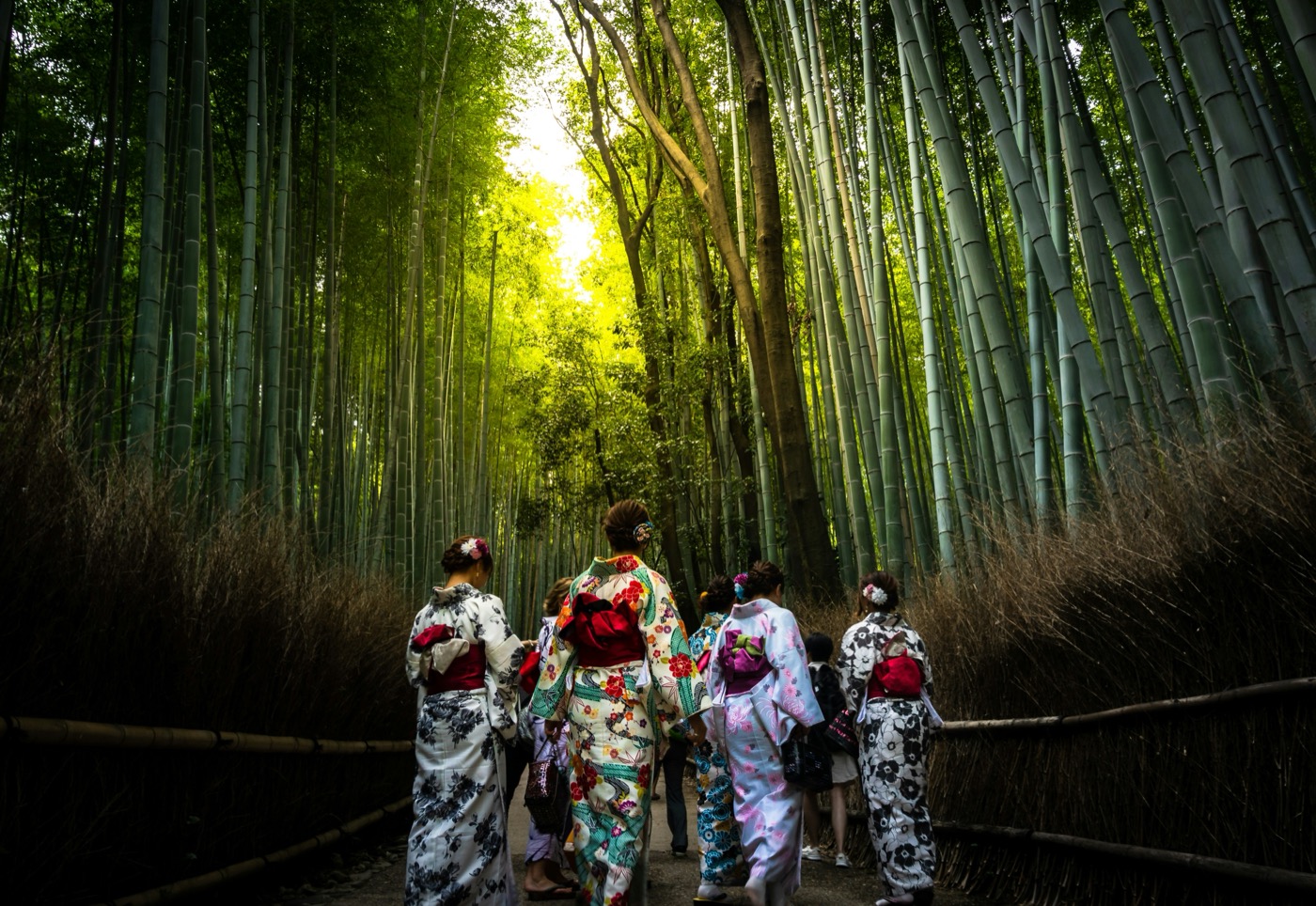
Arashiyama Bamboo Grove: Tips & Best Time to Visit
How to visit the Arashiyama Bamboo Grove without the crowds: best arrival times, what to see nearby, and how to get there from central Kyoto.
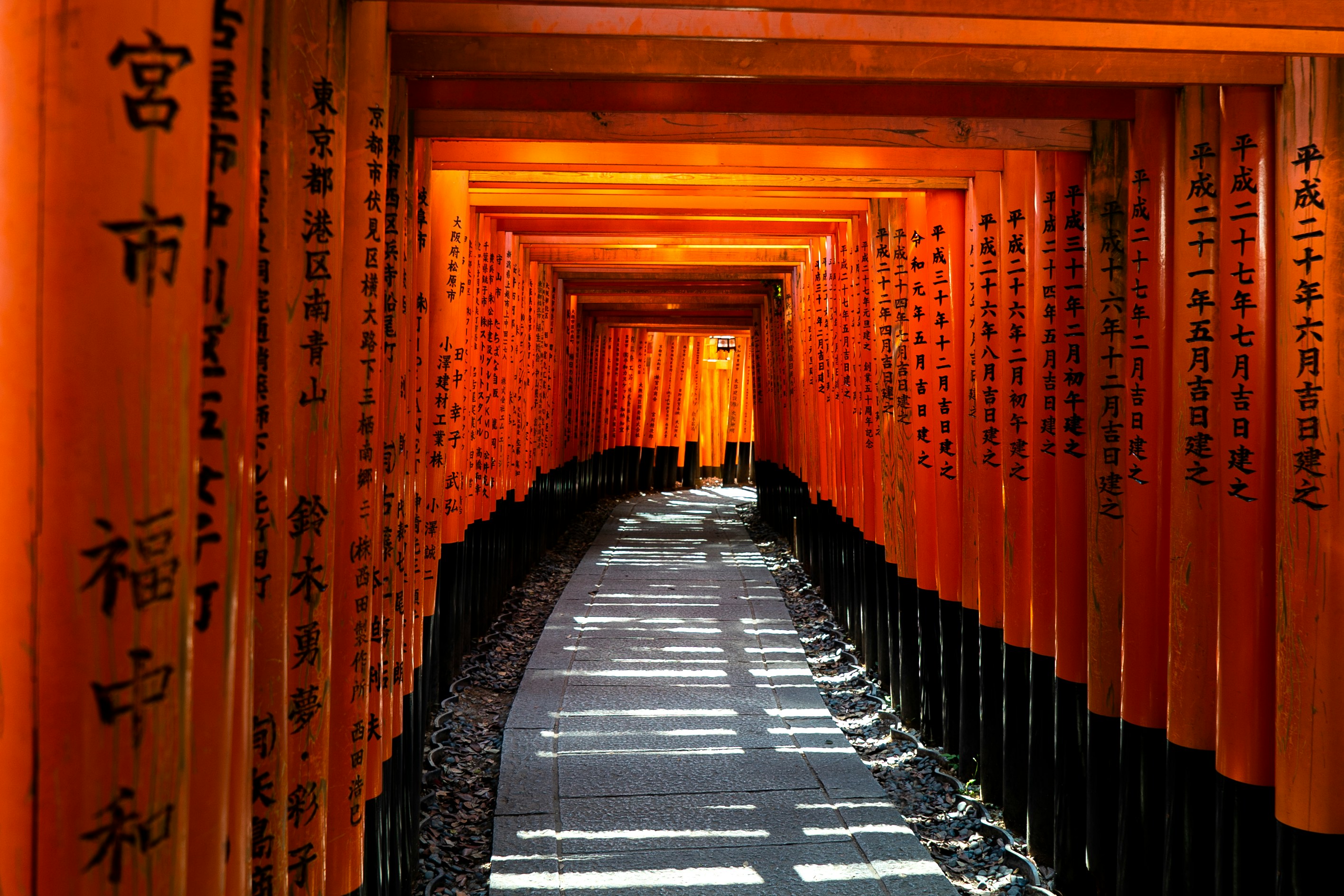
Fushimi Inari Taisha: Complete Visitor Guide
Everything you need to visit Fushimi Inari Taisha: opening hours, trail map, best times to avoid crowds, and how to get there from central Kyoto.
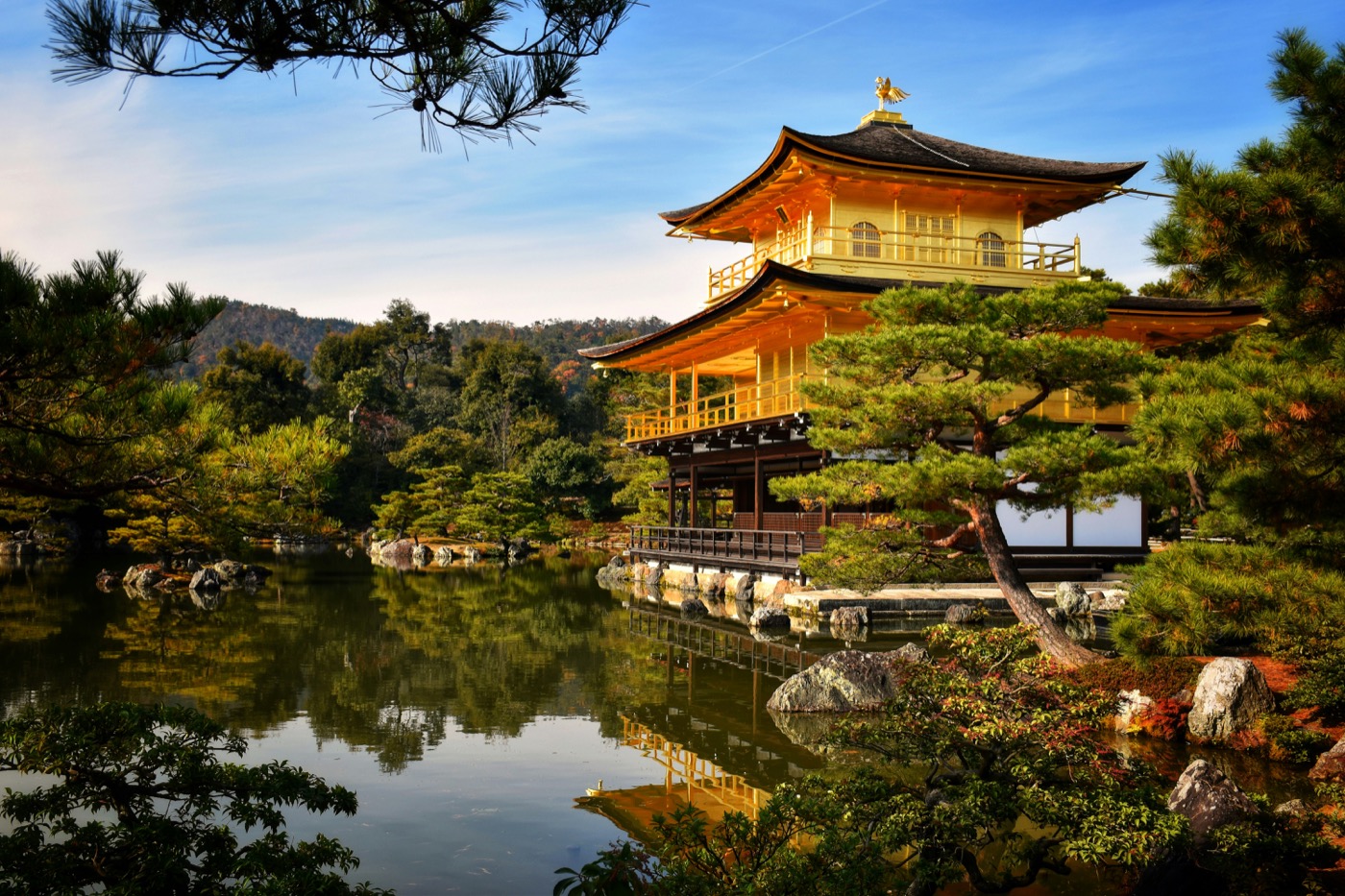
Kinkaku-ji (Golden Pavilion): Visitor Guide & Tips
Plan your visit to Kinkaku-ji: entry fees, opening hours, best photo spots, and how to avoid the worst crowds at Kyoto's most visited sight.
Local guide based in Gion, Kyoto. Leading intimate walking tours and sake experiences since 2018. Passionate about connecting travelers with authentic Kyoto culture.