SIGHTS
Fushimi Inari Taisha: Complete Visitor Guide
Fushimi Inari Taisha: Complete Visitor Guide
What Fushimi Inari Actually Is
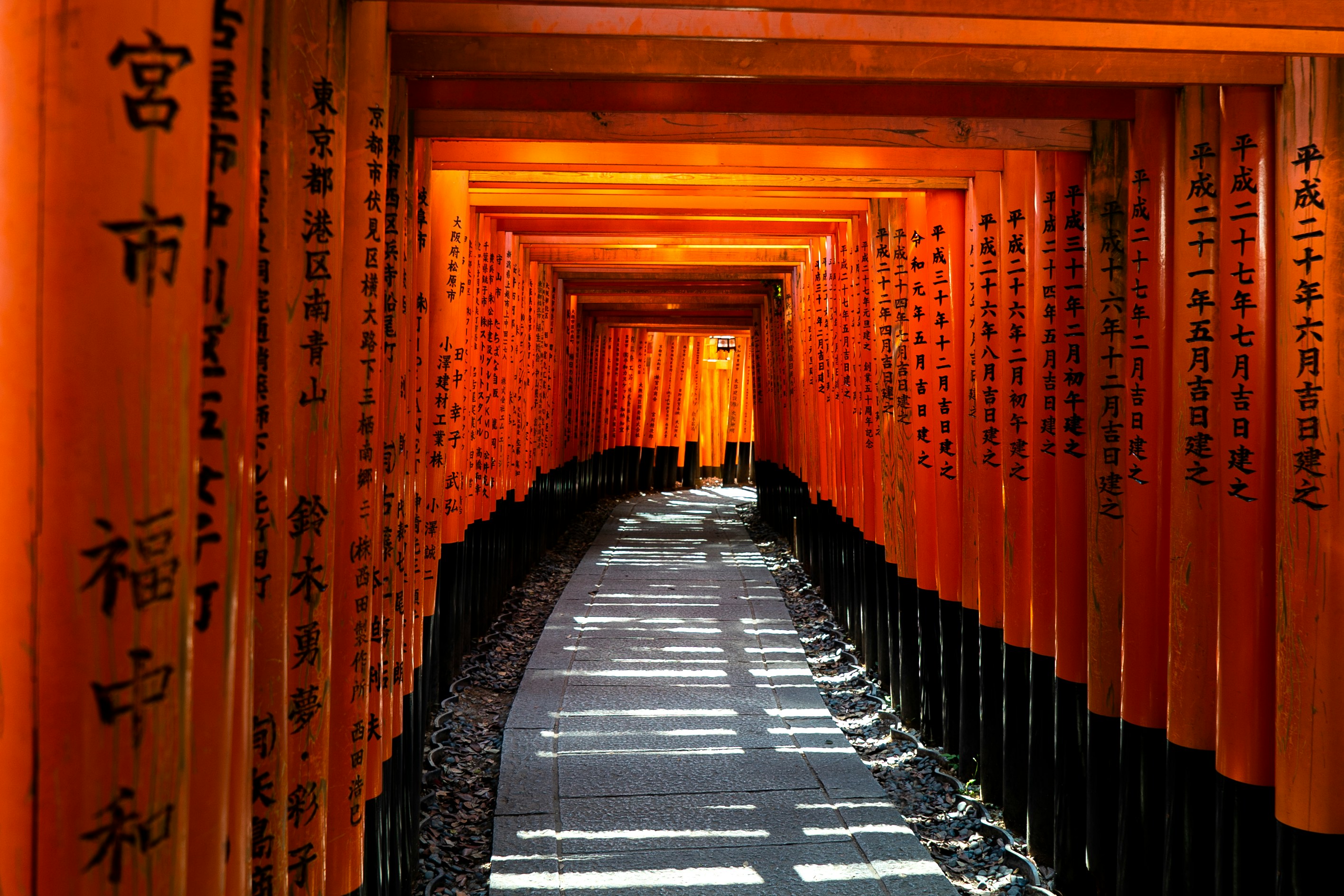
Fushimi Inari Taisha is a Shinto shrine complex stretching up the forested slopes of Mount Inari, about 4 km south of central Kyoto. It’s famous for its thousands of vermilion torii gates — donated by individuals and businesses over centuries — that form continuous tunnels winding up the mountain. The main lower shrine dates to 711 CE, making it one of Japan’s oldest.
The torii tunnels divide into two parallel channels, so you can walk up one side and return on the other. The lower trails are paved and accessible. Higher up, the paths become rougher forested tracks dotted with sub-shrines, stone fox statues, and mossy lanterns.
Inari is the Shinto deity of rice, agriculture, and commerce. Fox (kitsune) statues appear throughout the complex as messengers of the god — many hold a key (to rice granaries), a jewel, a sheaf of rice, or a scroll.
Getting There
From Kyoto Station: JR Nara Line to Inari Station — 5 minutes, ¥150. The shrine is directly across the street.
From Gion-Shijo / Kawaramachi: Keihan Main Line to Fushimi-Inari Station, then walk 5 minutes north. This is the better option if you’re coming from eastern Kyoto.
By taxi: Around ¥1,500–¥2,000 from central Kyoto. Not necessary given excellent rail access.
Avoid taking the bus — it stops far from the shrine and runs less frequently than trains.
The first JR departure from Kyoto Station toward Nara leaves around 5:20am. Arriving at 6am means near-empty tunnels and soft pre-dawn light. Arriving at 9am means shoulder-to-shoulder crowds in the lower gates. The alarm is worth it.
The Hiking Route
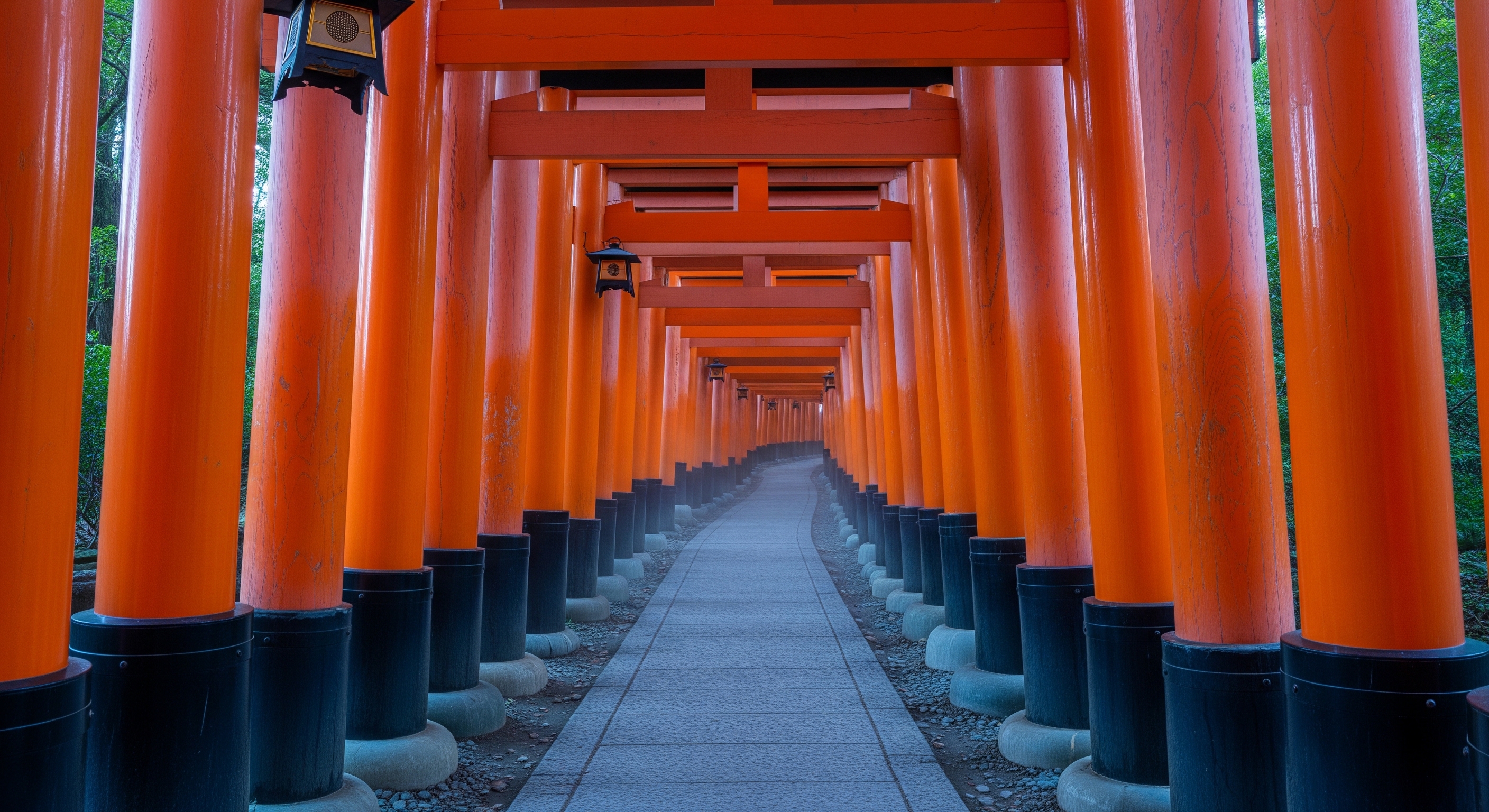 FUSHIMI INARI · 06:15
 Lower Gates (0–20 minutes)
The iconic photographs of torii tunnels are all within the first 15–20 minutes of walking. The dense orange-red gates begin immediately past the main shrine building. The trail splits into two parallel tunnels here — take either direction; they rejoin further up.
Yotsutsuji Junction (30–40 minutes)
This is the first major clearing with panoramic views over southern Kyoto and Osaka on a clear day. Most day-trippers turn around here. There are small stalls selling drinks and snacks on weekends. If you’re short on time, this is the natural stopping point.
Upper Mountain (1.5–3 hours)
Beyond Yotsutsuji, the trail continues through quieter wooded terrain past dozens of smaller sub-shrines. The crowds thin significantly above this point. The summit (Ichinomine, 233m) has a small shrine but limited views due to tree cover. The real reward of the full hike is the atmospheric forest and solitude.
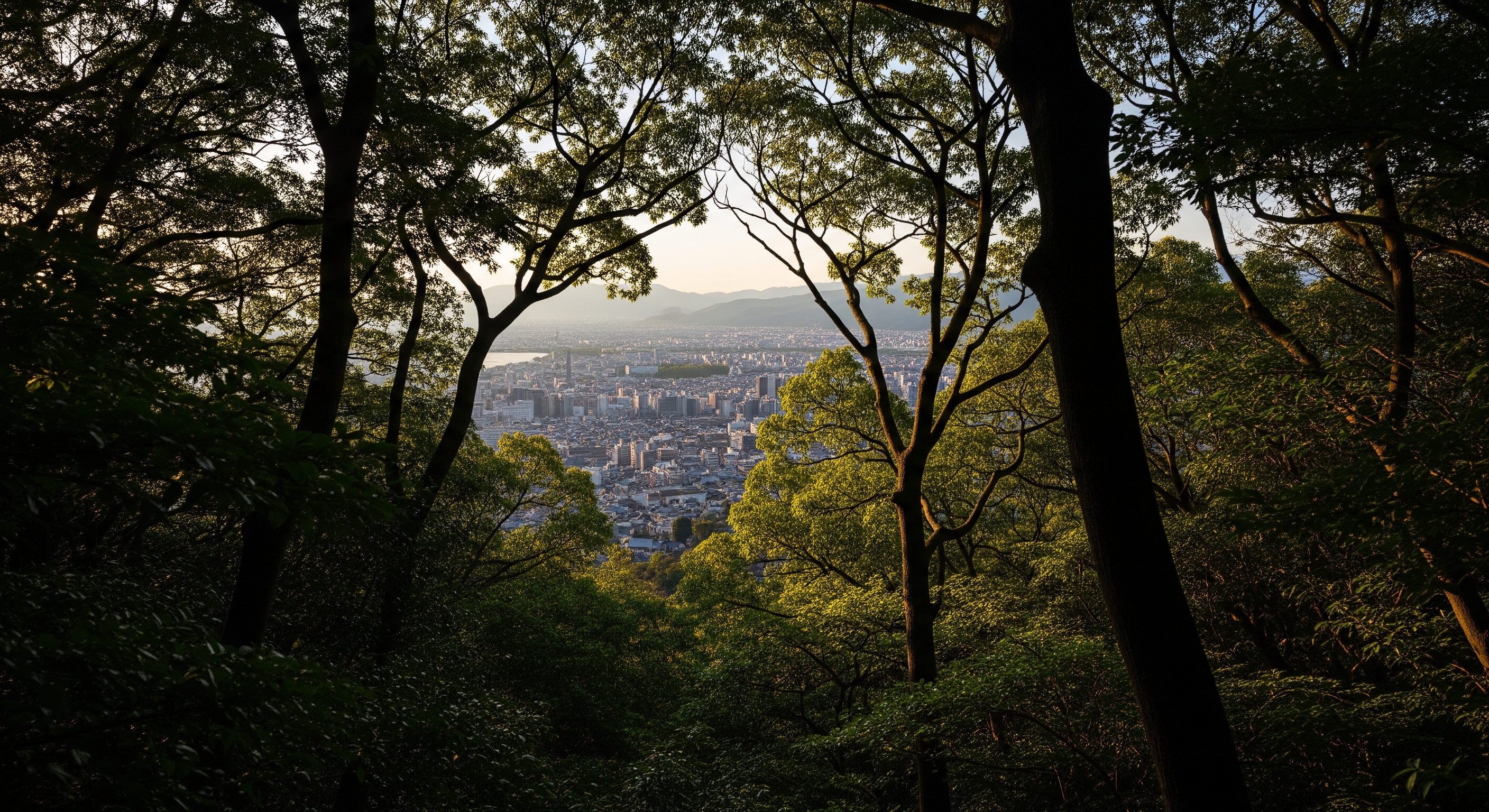 YOTSUTSUJI · 30 MIN UP
 Timing and Crowds
Dawn — near-empty gates, soft low light ideal for photography
Manageable, some tour groups arriving by 9am
Dense crowds in lower tunnels — difficult to photograph without strangers
Expect shoulder-to-shoulder in lower gates — plan around it or arrive before 8am
Crowds drop sharply; some areas lit at night for atmospheric evening visits
Golden Week (late April–early May) and New Year holidays are the absolute busiest periods. If visiting during these windows, arrive at or before sunrise — no exceptions.
Practical Tips
Wear comfortable walking shoes — the path to the summit involves uneven stone steps for 4 km. There are no entry fees at any point on the mountain. Toilets are available at the main shrine building and at Yotsutsuji junction.
No tripods in the gate tunnels during busy hours. The gates face southeast — morning light illuminates them from the front; afternoon light comes from behind. If you want the classic front-lit shot, morning is the only option.
The lower stalls sell matcha soft serve and kitsune-themed fox snacks — worth stopping for on the way down (stalls open around 9am). The inari sushi sold near the entrance is also famously good here.
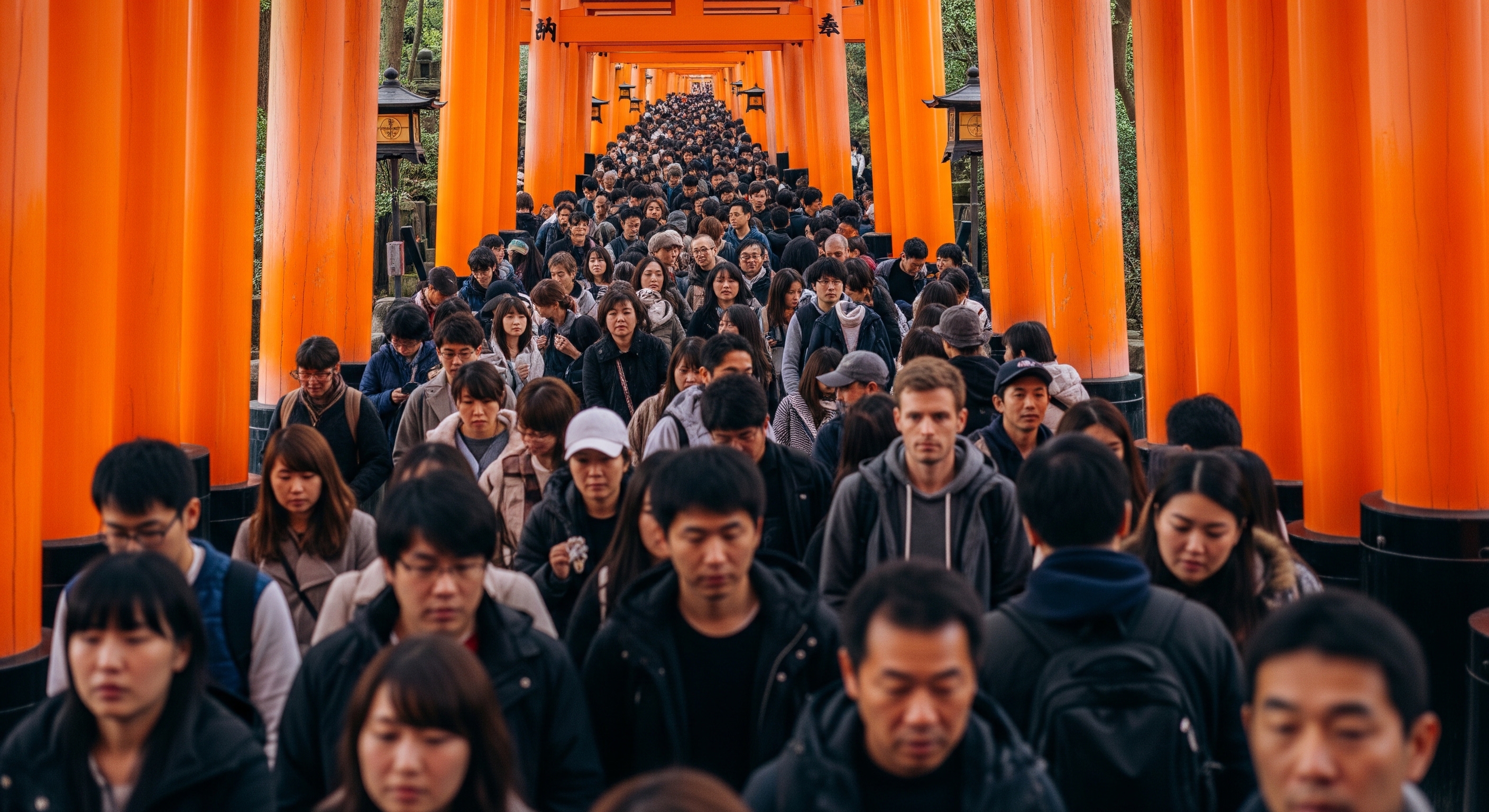 MIDDAY · AVOID
 Visiting central Kyoto? Read the Higashiyama Walking Guide and 1-Day Kyoto Itinerary for how to combine Fushimi Inari with the rest of the city.
Want a guided evening walk? Our Gion Evening Walk departs nightly from Gion and includes local sake stops — a natural pairing with a morning at Fushimi Inari.
// KYOTO LOCAL EXPERIENCE
EXPLORE KYOTO
WITH A LOCAL GUIDE
Skip the crowds and see the Kyoto most visitors never find. Small-group tours led by local experts — built around genuine stories, hidden spots, and real connections with the city.
FAQ
Is Fushimi Inari free to enter? ▼
How long does it take to hike to the top? ▼
What is the best time to visit Fushimi Inari? ▼
How do I get to Fushimi Inari from Kyoto Station? ▼
RELATED GUIDES
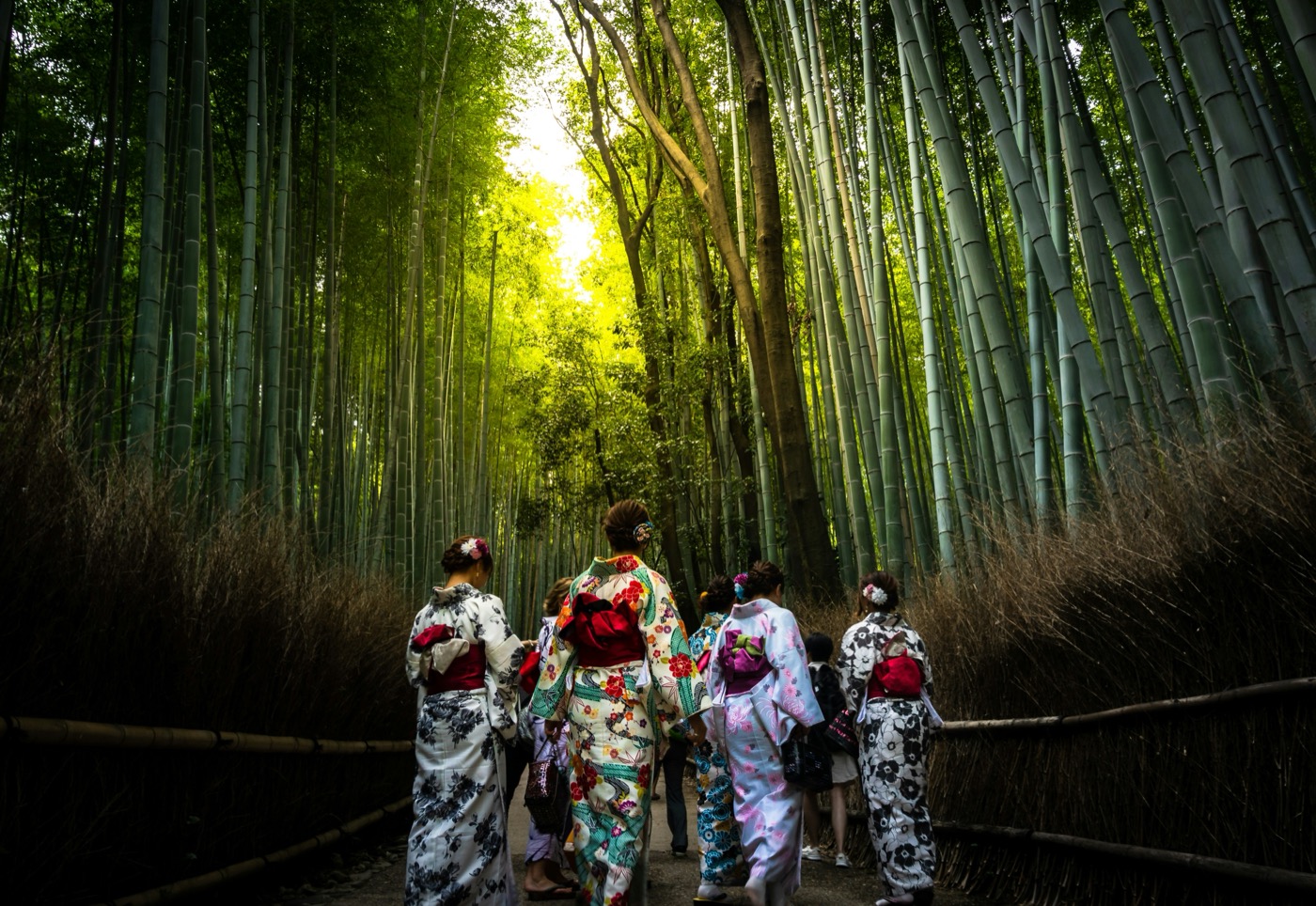
Arashiyama Bamboo Grove: Tips & Best Time to Visit
How to visit the Arashiyama Bamboo Grove without the crowds: best arrival times, what to see nearby, and how to get there from central Kyoto.
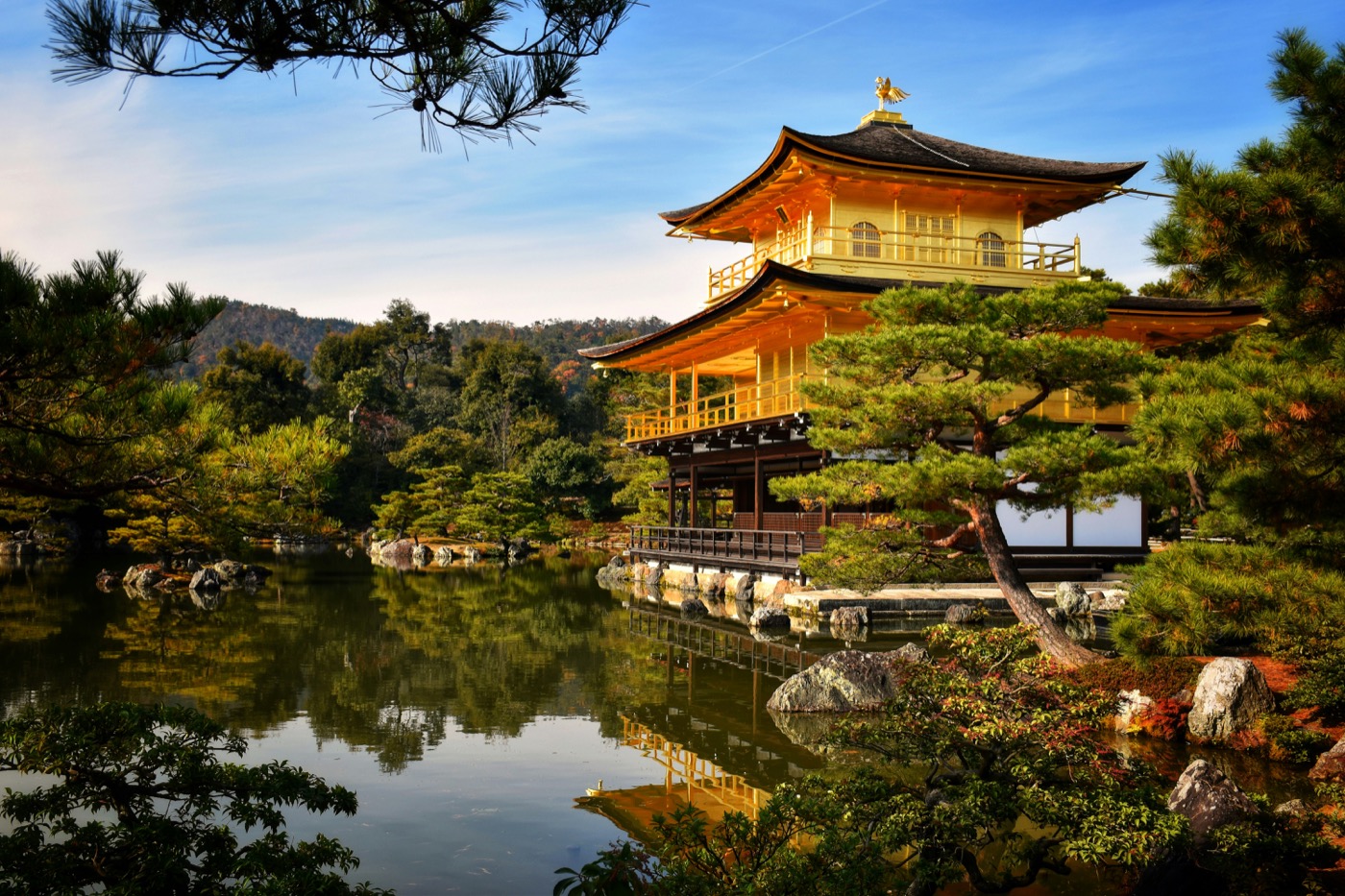
Kinkaku-ji (Golden Pavilion): Visitor Guide & Tips
Plan your visit to Kinkaku-ji: entry fees, opening hours, best photo spots, and how to avoid the worst crowds at Kyoto's most visited sight.
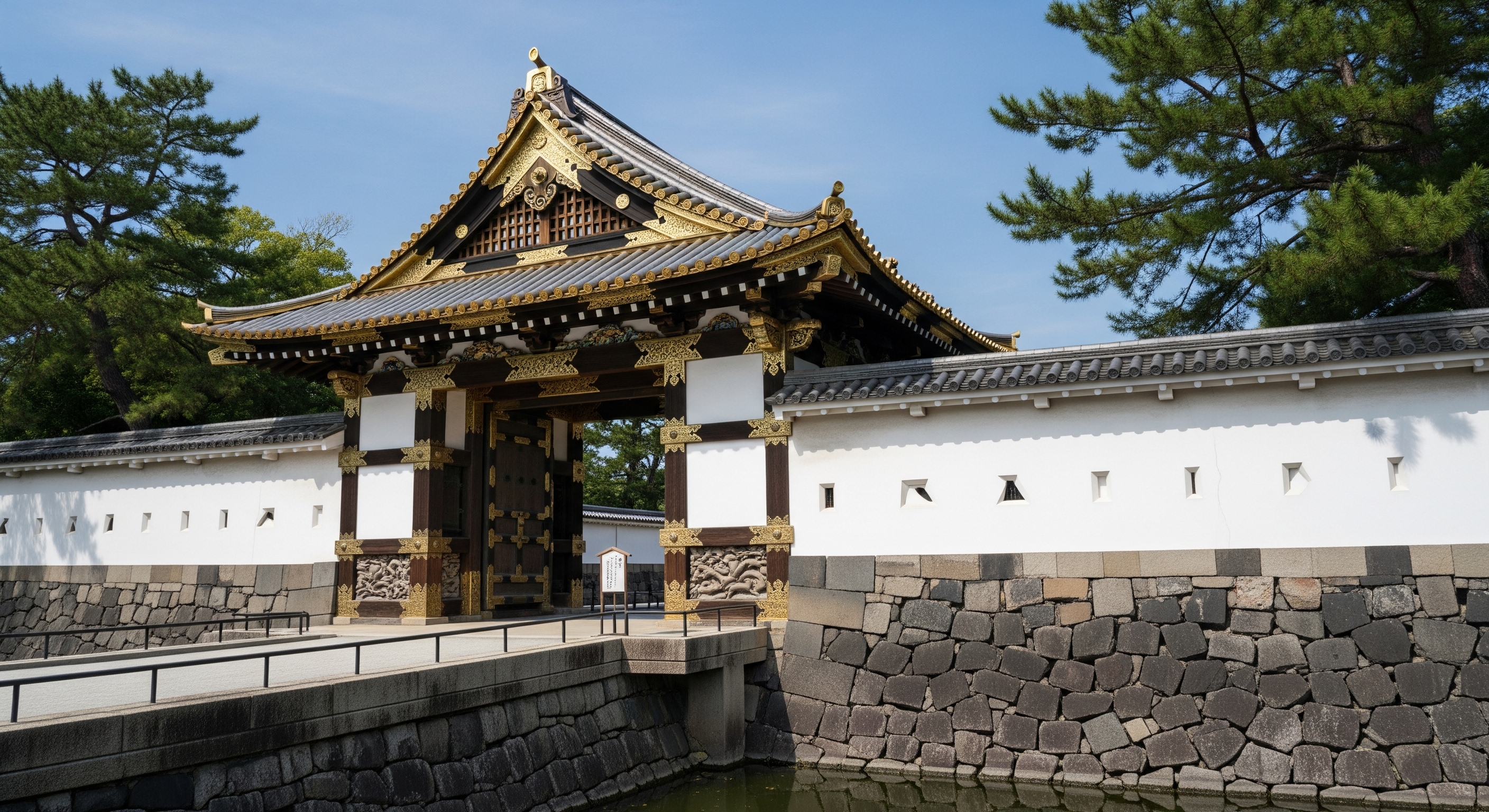
Nijo Castle Kyoto: What to See & How to Visit
Visitor guide to Nijo Castle: entry fees, opening hours, the nightingale floors, highlights in Ninomaru Palace, and tips for visiting without crowds.
Local guide based in Gion, Kyoto. Leading intimate walking tours and sake experiences since 2018. Passionate about connecting travelers with authentic Kyoto culture.