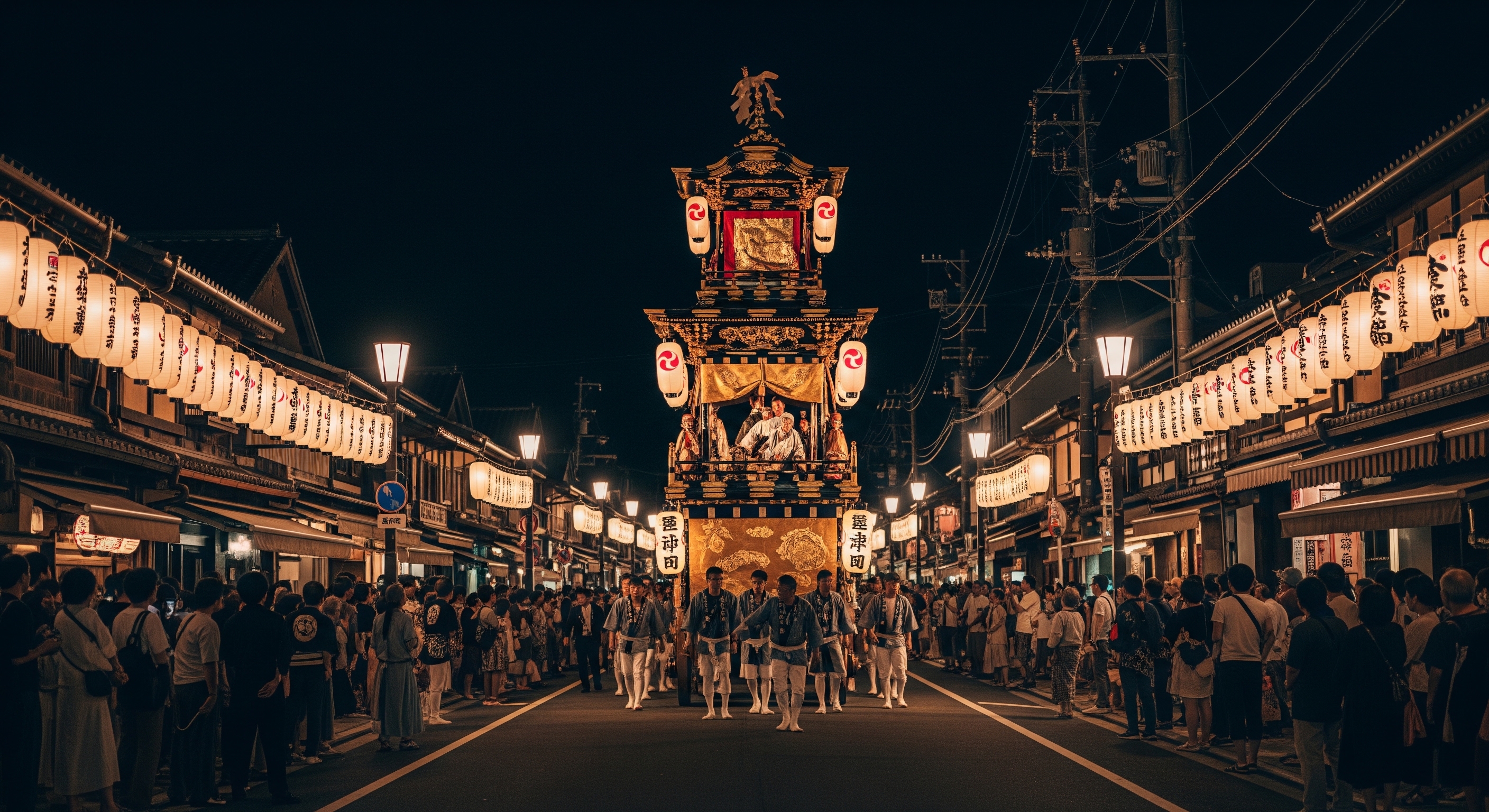
SEASONAL
Gion Matsuri Festival Guide: Dates, Events & Tips
Gion Matsuri Festival Guide: Dates, Events & Tips
Fast Facts
About Gion Matsuri
Gion Matsuri is one of Japan’s three great festivals (Nihon sandai matsuri) alongside Osaka’s Tenjin Matsuri and Tokyo’s Kanda Matsuri. It originated in 869 CE as a ritual to placate malevolent spirits blamed for a devastating plague — a ritual specific to Yasaka Shrine in Gion.
It has been held annually (with a 33-year interruption during the Onin War in the 15th century) ever since. The July celebrations evolved over centuries from a single shrine ritual into an elaborate month-long urban festival involving the floats, processions, and neighborhood celebrations that define it today.
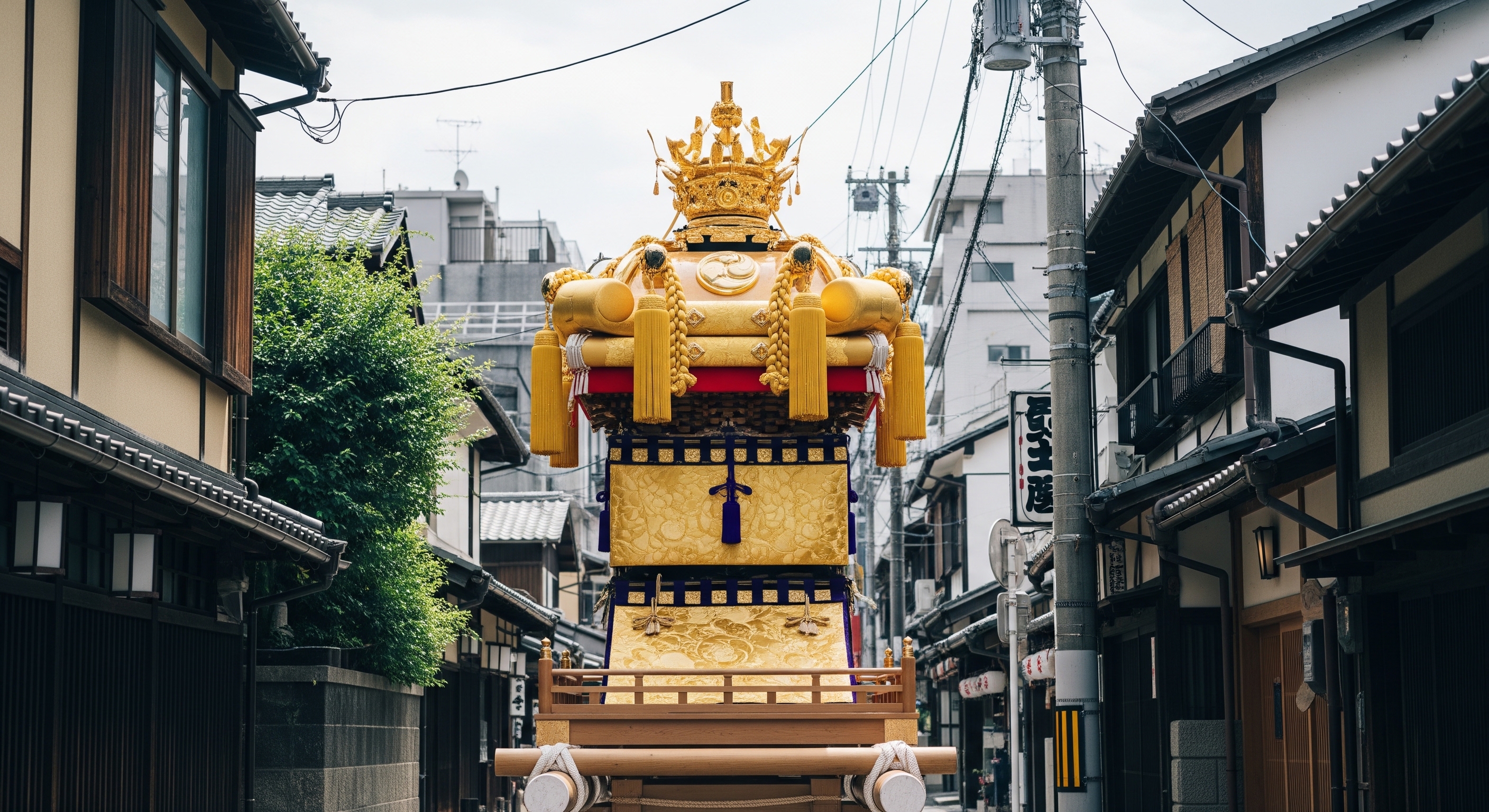 YAMABOKO FLOAT
 The Yamaboko floats are remarkable: enormous wooden mobile stages, some built using joinery construction techniques from the Muromachi period (14th–15th century), decorated with tapestries from Europe, the Middle East, and China traded through the Silk Road. The float neighborhoods (cho) maintain these objects as living cultural heritage.
Walk among the assembled floats on July 10–13, before Yoiyama begins. The structures stand in the streets and are viewable up close with far smaller crowds. Some neighborhoods open the float interiors for viewing — look for signs near the base.
The Event Calendar
Early July: Float Preparations
From around July 10, the yamaboko floats are assembled by their neighborhood organizations in the streets of central Kyoto (mainly the Shijo-Karasuma area). By July 14, they are standing in the streets and lit at night. Walking among these massive wooden structures before the procession is one of the less-crowded festival experiences.
Yoiyama Evenings: July 14–16 and 21–23
The three evenings before each procession are Yoiyama — “eve of the mountain” celebrations. The streets of central Kyoto become a pedestrian zone, filled with food stalls, crowds in yukata, and the lit floats at their most atmospheric. Traditional music from musicians on the floats plays throughout the evening.
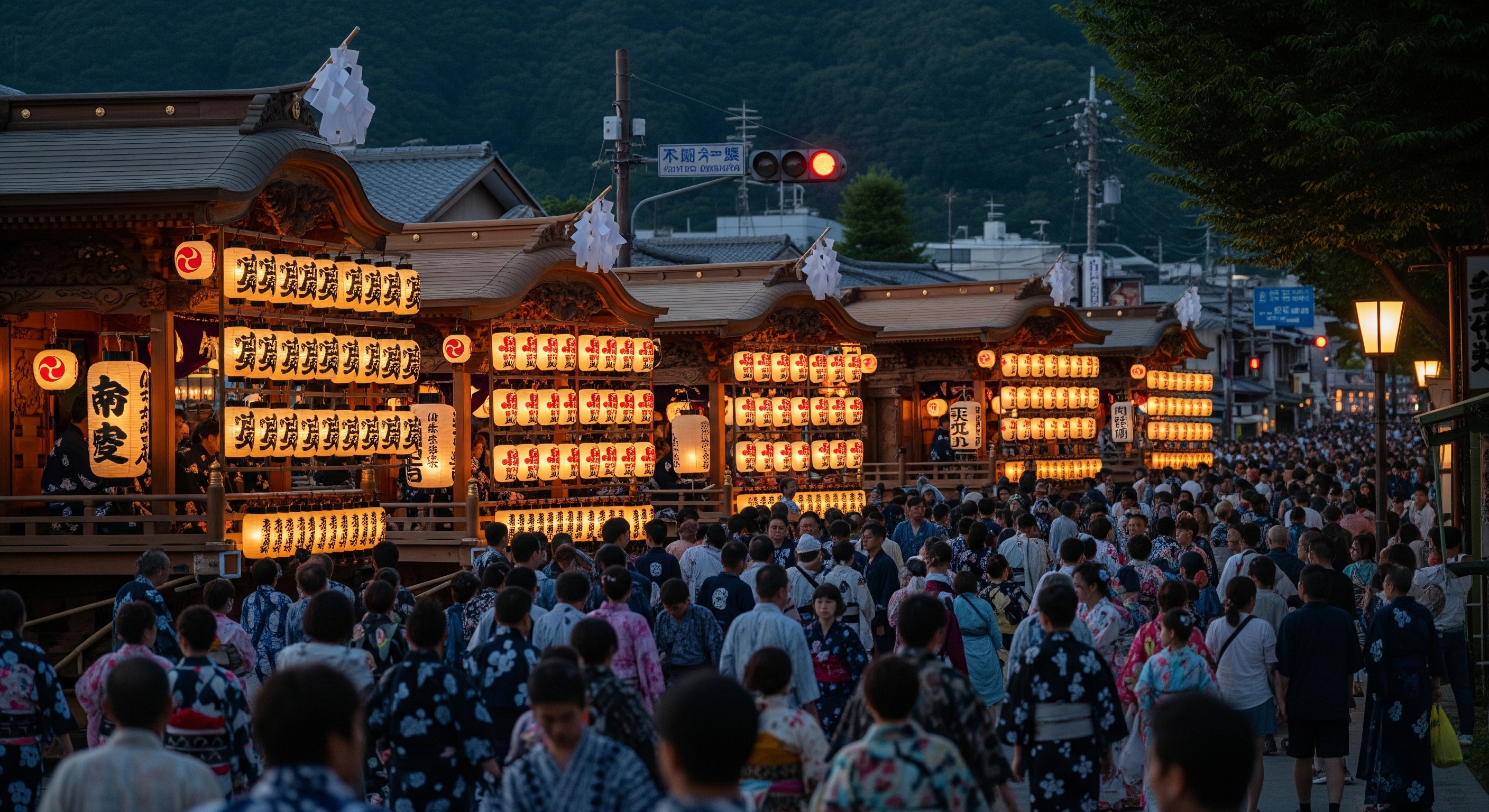 YOIYAMA
 July 14–16 (Mae-Matsuri eve): The densest crowds; this is the most celebrated Yoiyama period. The area around Shijo-Karasuma fills completely.
July 21–23 (Ato-Matsuri eve): The second procession’s eve celebrations are somewhat less crowded than the first — a better experience for those who want Yoiyama atmosphere with slightly more room to move.
Best times: Arrive by 6pm to position yourself before peak crowds (8pm–10pm). The lit floats and ambient music are best after dark. Streets close to vehicles from around 6pm on these evenings.
The July 21–23 Yoiyama for the second procession attracts noticeably fewer crowds than July 14–16, yet offers the same lantern-lit floats, street food, and yukata atmosphere. If your schedule allows, this is the calmer choice for a first-time visitor.
Crowd Guide: When to Visit
Near-empty streets; floats standing but no evening closures yet
Busy but navigable; arrive by 6pm for breathing room
Extremely dense; 100,000+ per night; shoulder-to-shoulder near Shijo-Karasuma
200,000+ spectators; arrive 2+ hours early for a front-row position
Significantly smaller crowds; better for photography and relaxed viewing
July 17: Mae-Matsuri Float Procession
The main procession begins at 9am from the Shijo-Karasuma intersection, proceeding north to Oike Avenue and then east. 23 Yamaboko floats participate, led by the Naginata Boko (the ceremonial first float).
The procession takes approximately 3 hours from start to finish. Free viewing along the route (roadside). Reserved grandstand seating (by the city and neighborhood organizations) requires tickets obtained in advance — ¥3,000–¥8,000 depending on location.
Chicane turn (tsuji-mawashi): The most dramatic moment is when the massive floats are steered around 90-degree turns in the narrow streets — accomplished by placing bamboo stalks under the wheels and pulling by rope, with dozens of men coordinating. The timing is precise and remarkable to watch.
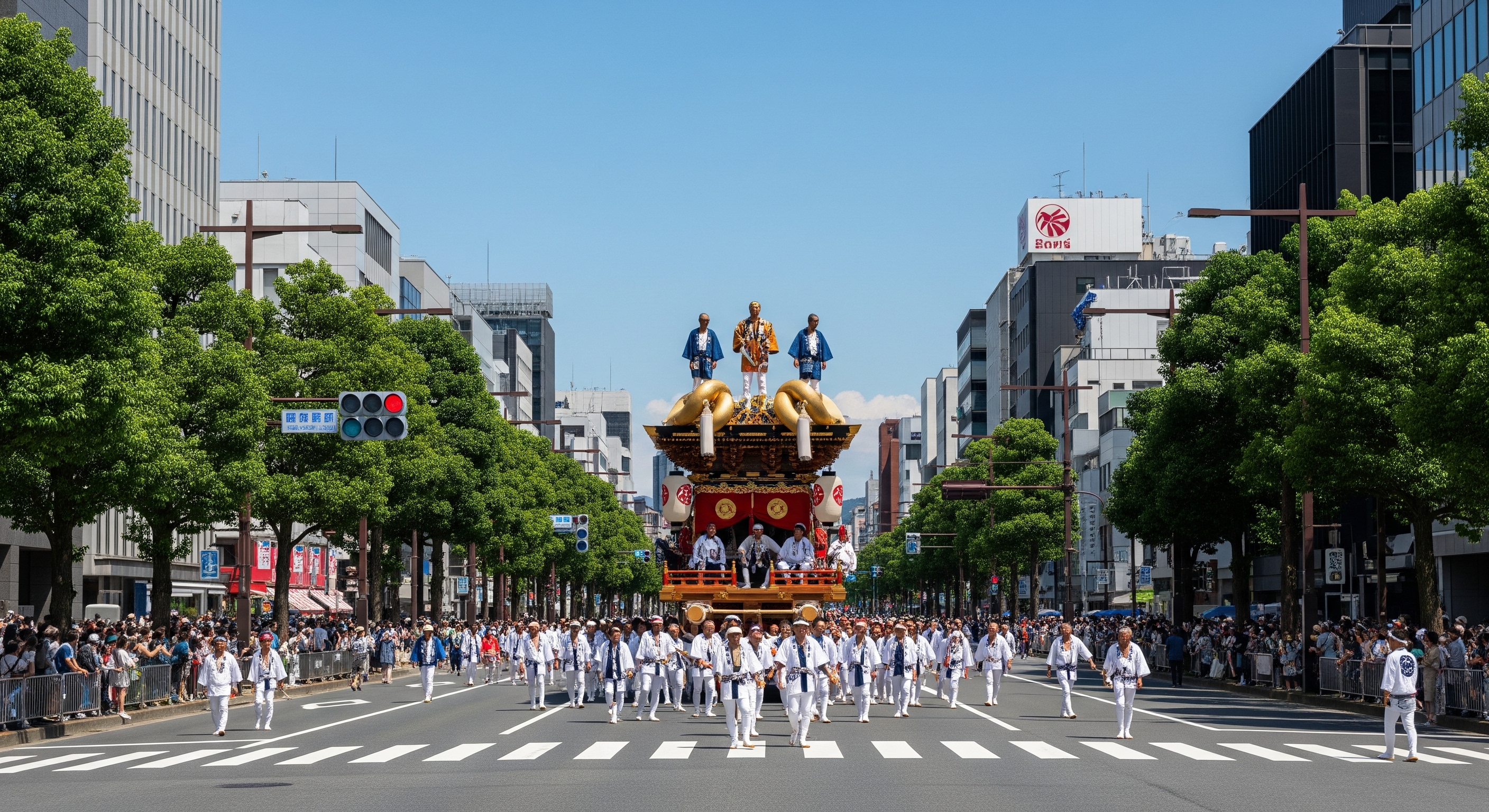 JULY 17 PROCESSION
 Reserved seating for the procession — the only guaranteed front-row view — sells out within hours of going on sale (usually March–April). Check the official Gion Matsuri website early in the year. Walk-up roadside spots on Oike Avenue fill by 7am on July 17.
July 24: Ato-Matsuri Procession The second procession features 10 floats that complete the full set. Historically this procession was suspended for decades and only restored in 2014 — the smaller crowd makes it the better photographic opportunity.
Practical Tips
- July in Kyoto is extremely hot and humid. Average temperatures 30–34°C with high humidity. Stay hydrated; carry a small towel; take shade breaks.
- Yukata are appropriate and encouraged. Many locals wear yukata to Yoiyama. Rental is available throughout the city in July.
- Food stalls: Traditional matsuri food — takoyaki, yakitori, kakigori (shaved ice), okonomiyaki — lines the streets during Yoiyama. Prices are standard festival markup (¥400–¥800 per item).
- Transit: Trains run extended hours on major festival nights. Check timetables; the last trains on July 16 and 17 are extended but still finite.
- Accommodation: Book as early as possible — ideally 4–6 months ahead for July Kyoto. Mid-range hotels sell out completely on Yoiyama weekends.
Gion Matsuri happens in Kyoto’s hottest, most humid month. Temperatures regularly hit 34°C with oppressive humidity. Carry a water bottle and a cooling towel. Look for konbini (convenience stores) as refuge — they are air-conditioned and abundant near the festival zone. Avoid standing in direct sun during procession viewing.
The procession and all Yoiyama street events are completely free from roadside positions. Skip reserved grandstand seats and instead stake a spot on Oike Avenue’s wide median early in the morning. Eat from street stalls (¥400–¥800 per item) rather than nearby restaurants, which raise prices and fill during festival weeks.
Background: Gion District Guide for the neighborhood context. Maiko & Geisha guide for the festival’s cultural connections.
During the festival: Our Gion Sake Walk runs throughout July — experiencing Gion’s neighborhoods with a guide is an excellent companion to the main procession day.
// KYOTO LOCAL EXPERIENCE
EXPLORE KYOTO
WITH A LOCAL GUIDE
Skip the crowds and see the Kyoto most visitors never find. Small-group tours led by local experts — built around genuine stories, hidden spots, and real connections with the city.
FAQ
When is Gion Matsuri? ▼
What are the Yamaboko floats? ▼
Is Gion Matsuri free? ▼
How crowded is Gion Matsuri? ▼
RELATED GUIDES
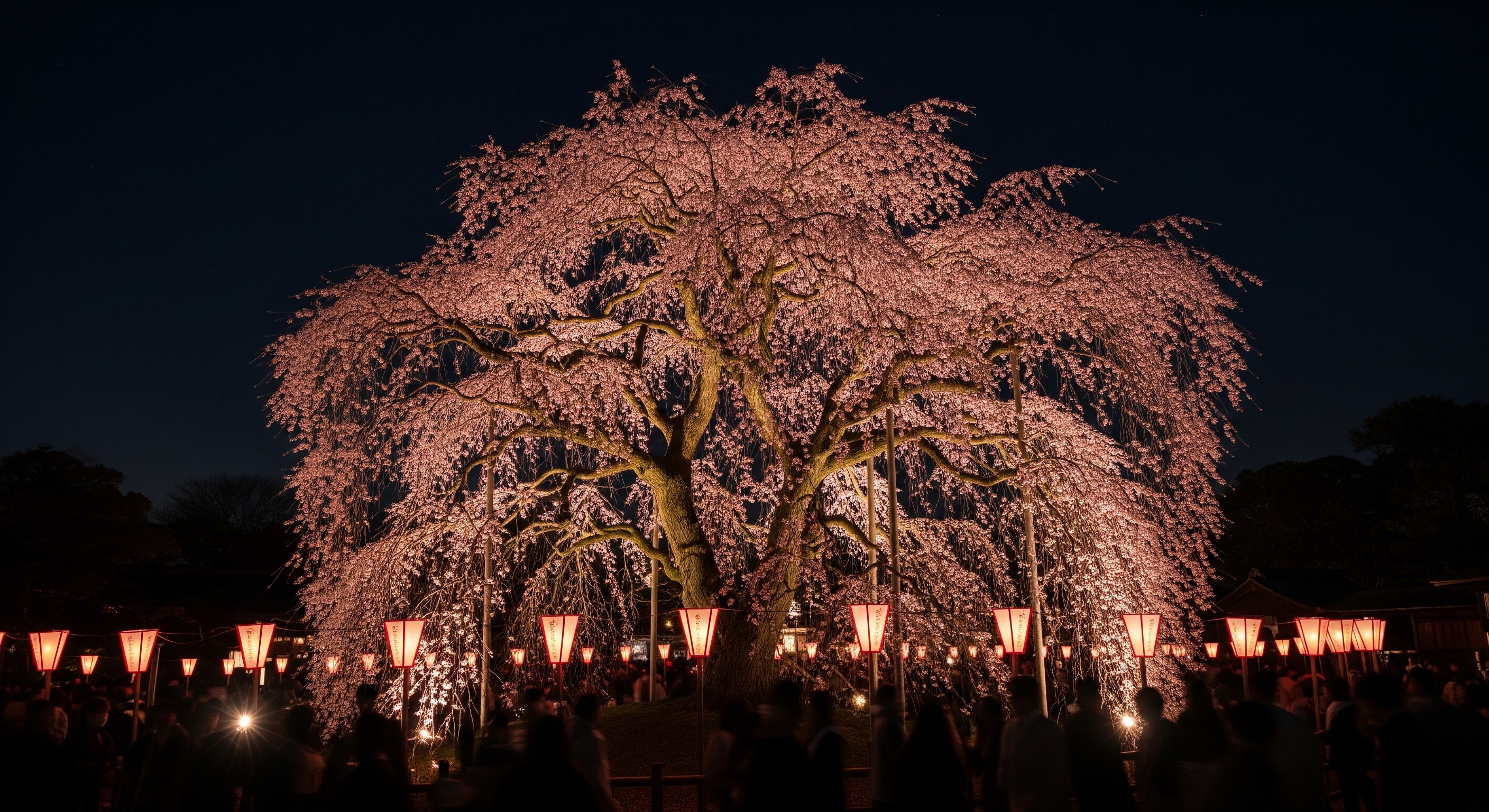
Kyoto Cherry Blossom Spots: 10 Best Sakura Places
A practical guide to Kyoto's best cherry blossom spots, from iconic sakura views in Higashiyama to quieter river walks, late-blooming temples, and evening illumination areas.
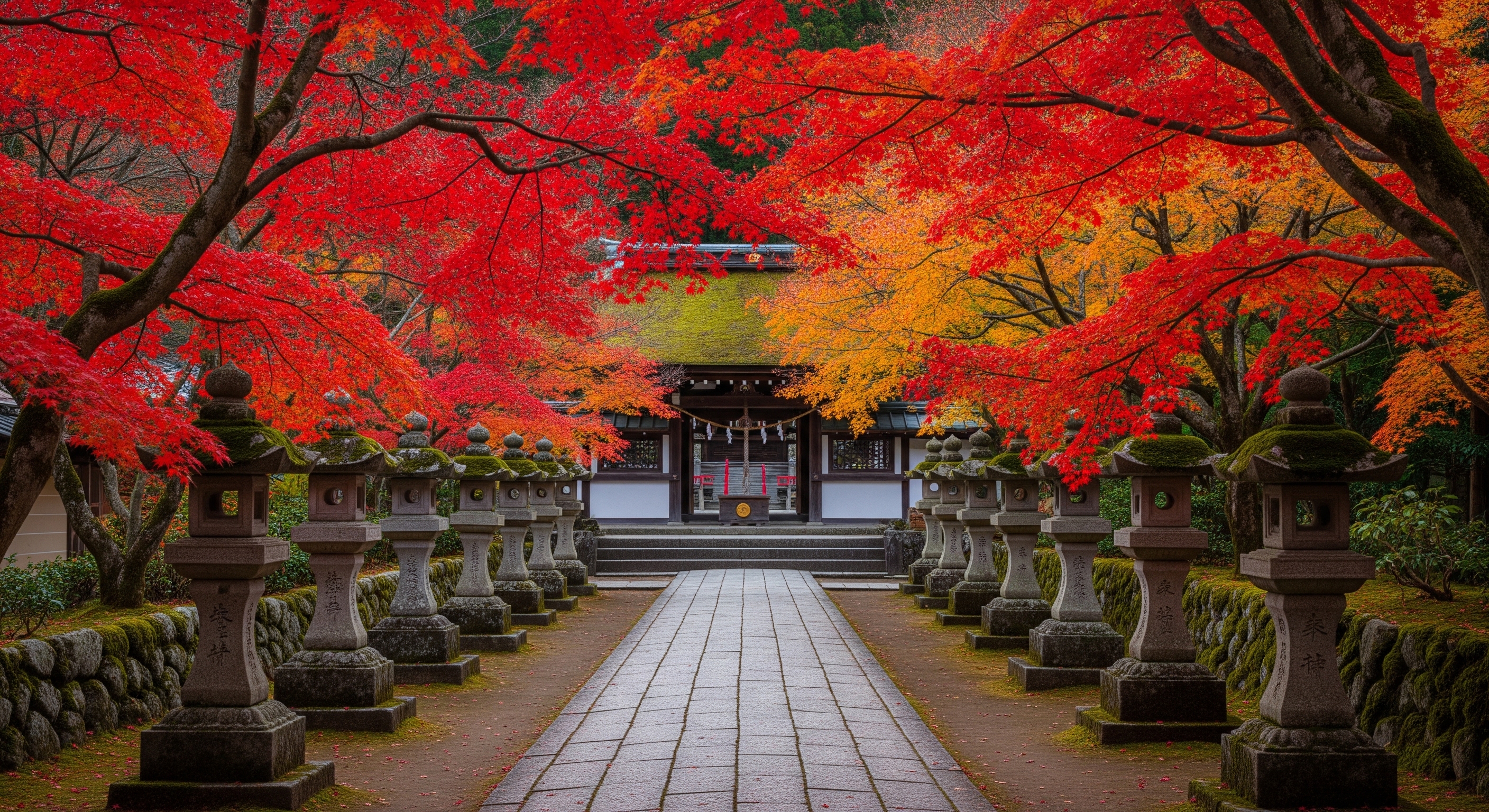
Kyoto Autumn Leaves: Best Spots & When to Go
Plan your Kyoto koyo trip: the best autumn foliage spots, when peak color hits in 2026, how to avoid crowds at the top spots, and the hidden gems most visitors miss.
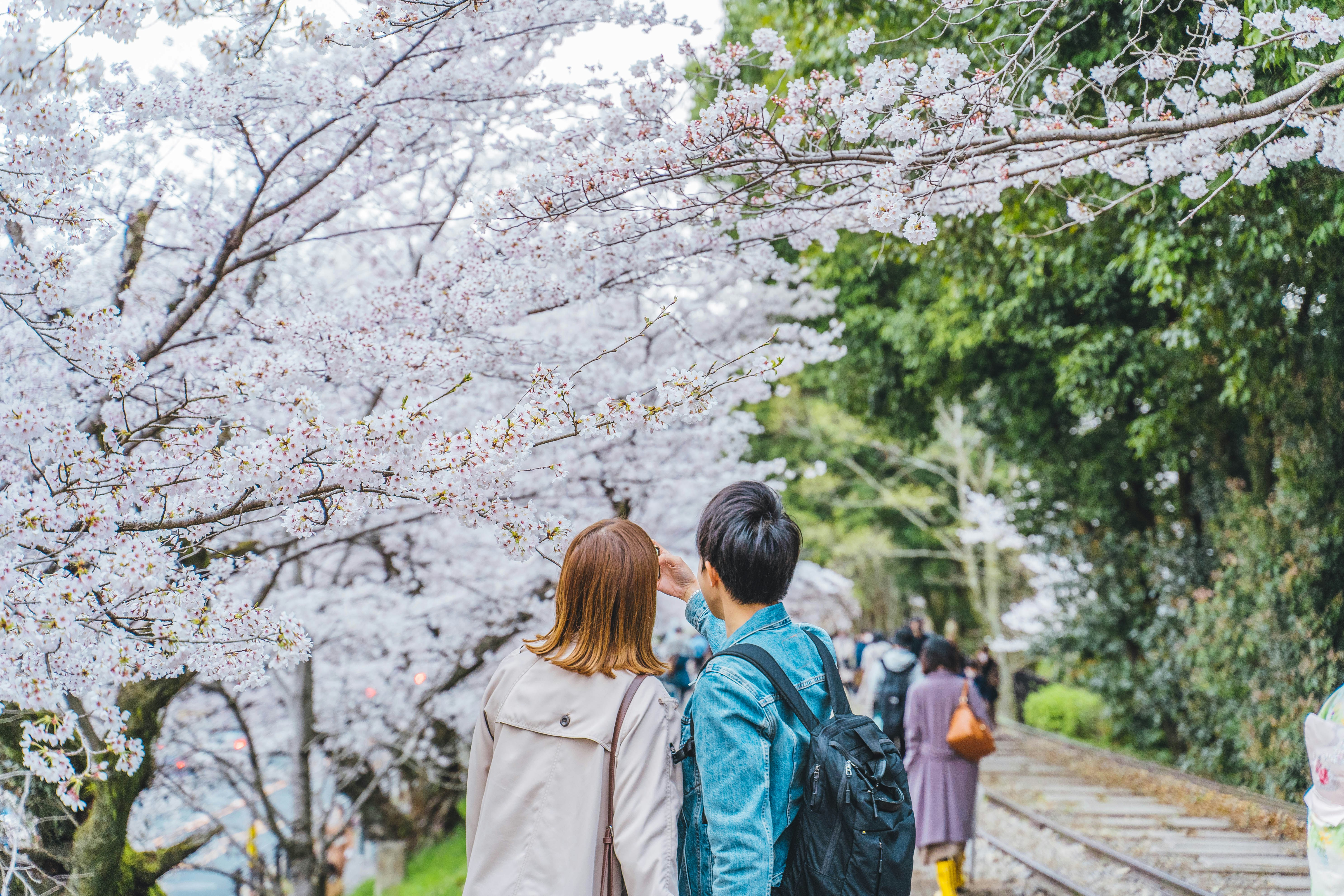
Kyoto Cherry Blossoms: Best Spots, Peak Timing & Tips
Plan your Kyoto sakura trip: the best cherry blossom spots, how to predict peak bloom timing, crowd management strategies, and the hidden gems beyond the famous locations.
Local guide based in Gion, Kyoto. Leading intimate walking tours and sake experiences since 2018. Passionate about connecting travelers with authentic Kyoto culture.