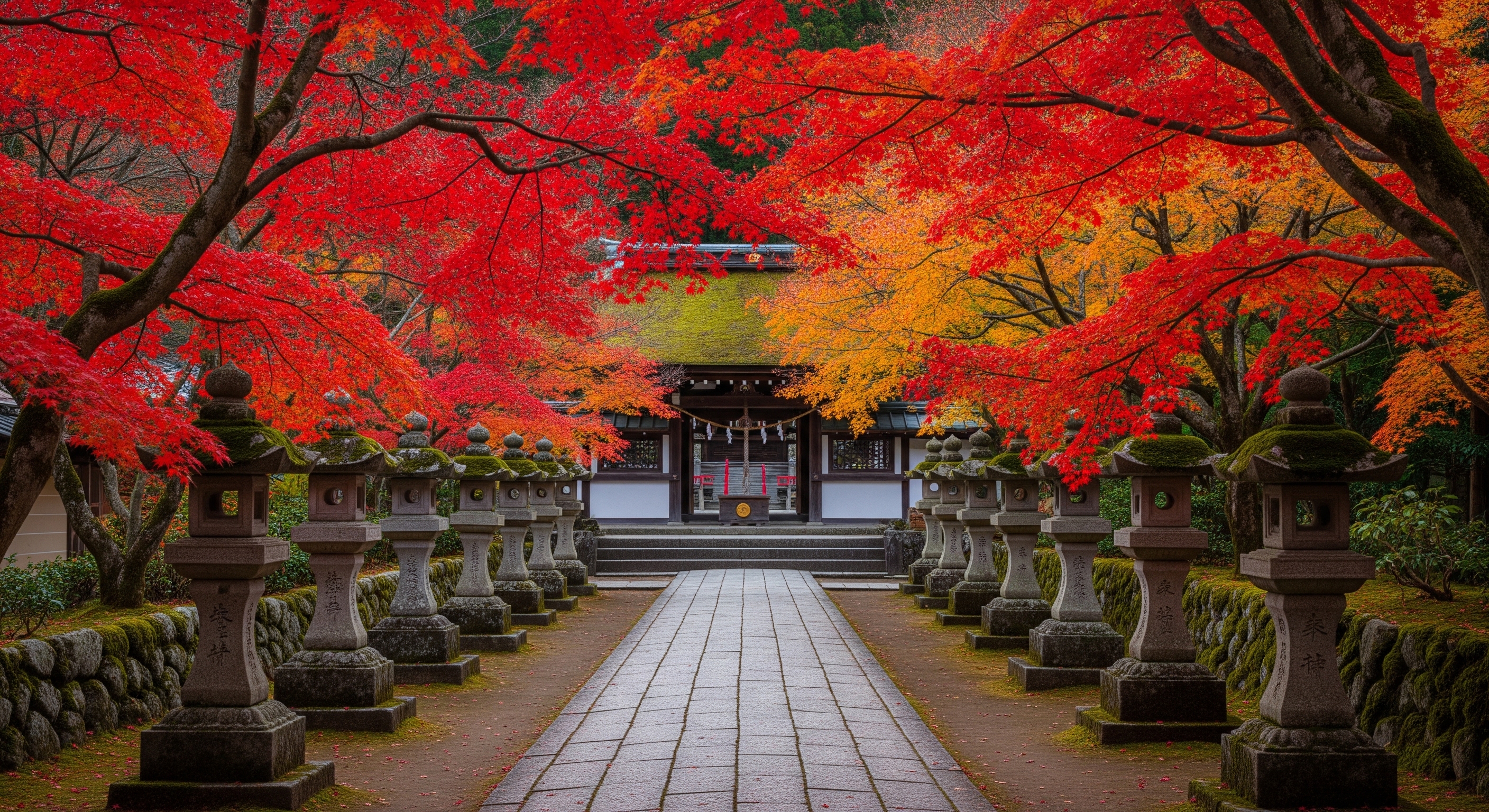
SEASONAL
Kyoto Autumn Leaves: Best Spots & When to Go
Kyoto Autumn Leaves: Best Spots & When to Go
How Koyo Season Works
Koyo (autumn leaves, literally “red leaves”) is the Japanese term for the autumn foliage season. Japanese maple (momiji) is the signature plant — its deeply lobed leaves turn intense scarlet before dropping. Ginkgo (ichyo) turns bright yellow. Most temple gardens in Kyoto contain both.
The sequence: leaves begin changing color from the outer edges in early November. Peak color (when most leaves are at maximum intensity before dropping) hits mid-to-late November. The leaves fall through early December.
Timing varies by year. Forecasts from the Japan Meteorological Corporation become accurate 3–4 weeks before peak. The best foliage years tend to have warm late summers followed by a sharp temperature drop in October.
Check koyo forecasts from September at Japan Meteorological Corporation and Tenki.jp. The 2-week forecast is reliable. Cold years peak late November or early December; warm years peak earlier — avoid booking non-refundable travel before checking the forecast.
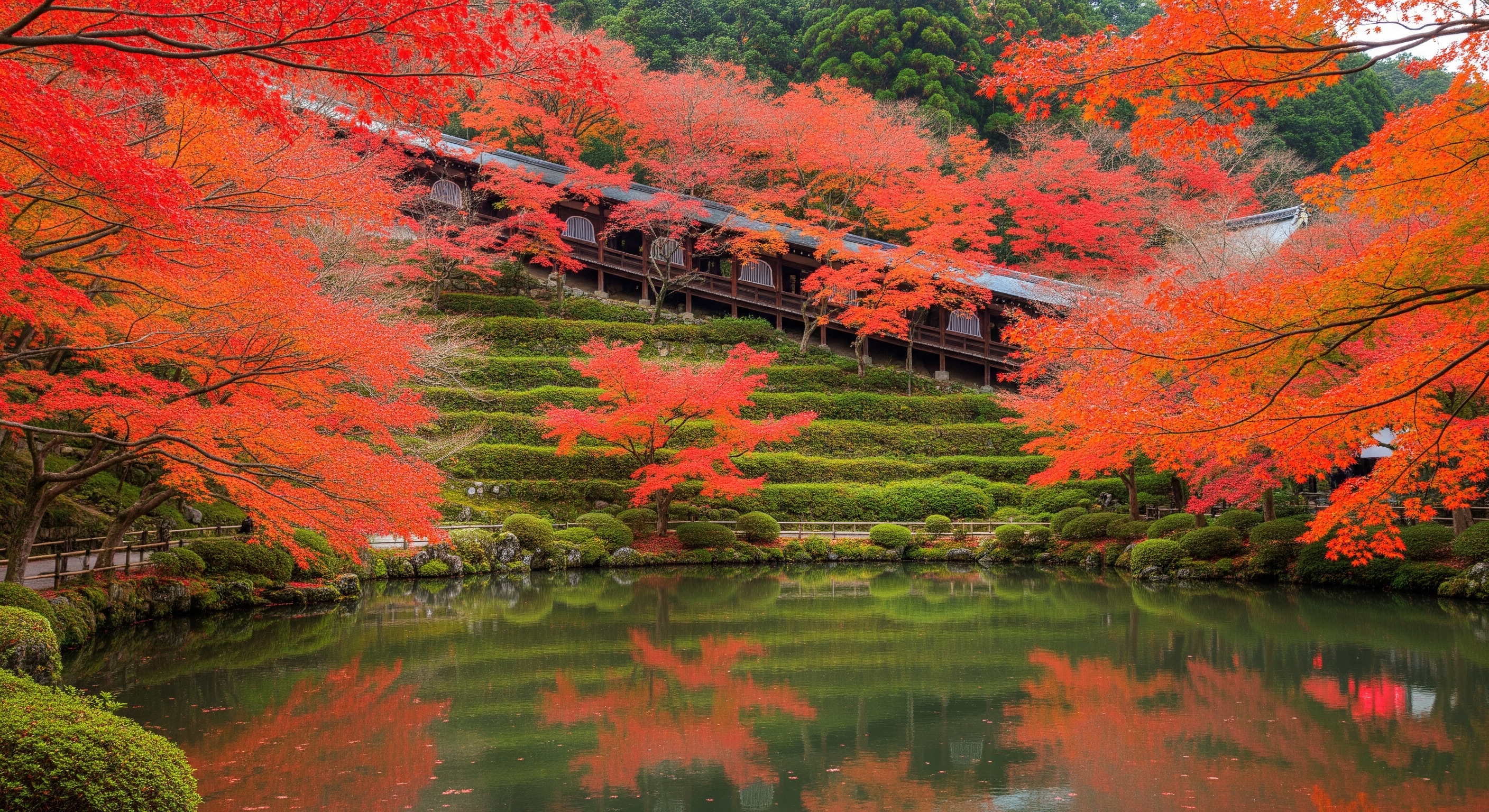 EIKAN-DO
 Best Autumn Foliage Spots
Eikan-do (Zenrin-ji Temple)
Widely considered Kyoto’s finest koyo temple. The hillside grounds hold thousands of maple trees at multiple elevations, creating color layers from the pond garden below to the high pagoda above. The covered corridors between buildings allow viewing from above and below the canopy simultaneously.
Entry ¥1,000. Night illumination events run in November (6pm–9pm, ¥1,000) and draw very long queues — arrive early or book guided evening entry.
Multi-hour queues. Go early morning on a weekday.
Manageable. Arrive at opening to get ahead of tour groups.
Tofukuji Temple
Famous for the tsutenkyo (heavenly bridge) spanning a valley filled with thousands of Japanese maple trees. The bridge view at peak color — looking down into a sea of scarlet and orange — is one of the most dramatic single images in all of Japanese koyo. ¥1,000.
Tofukuji is the most crowded single foliage spot in Kyoto. Queues on peak weekends can reach 1–2 hours. Go on a weekday morning to experience it without the crush.
1–2 hour queue for the bridge view.
50–60% fewer visitors than weekends.
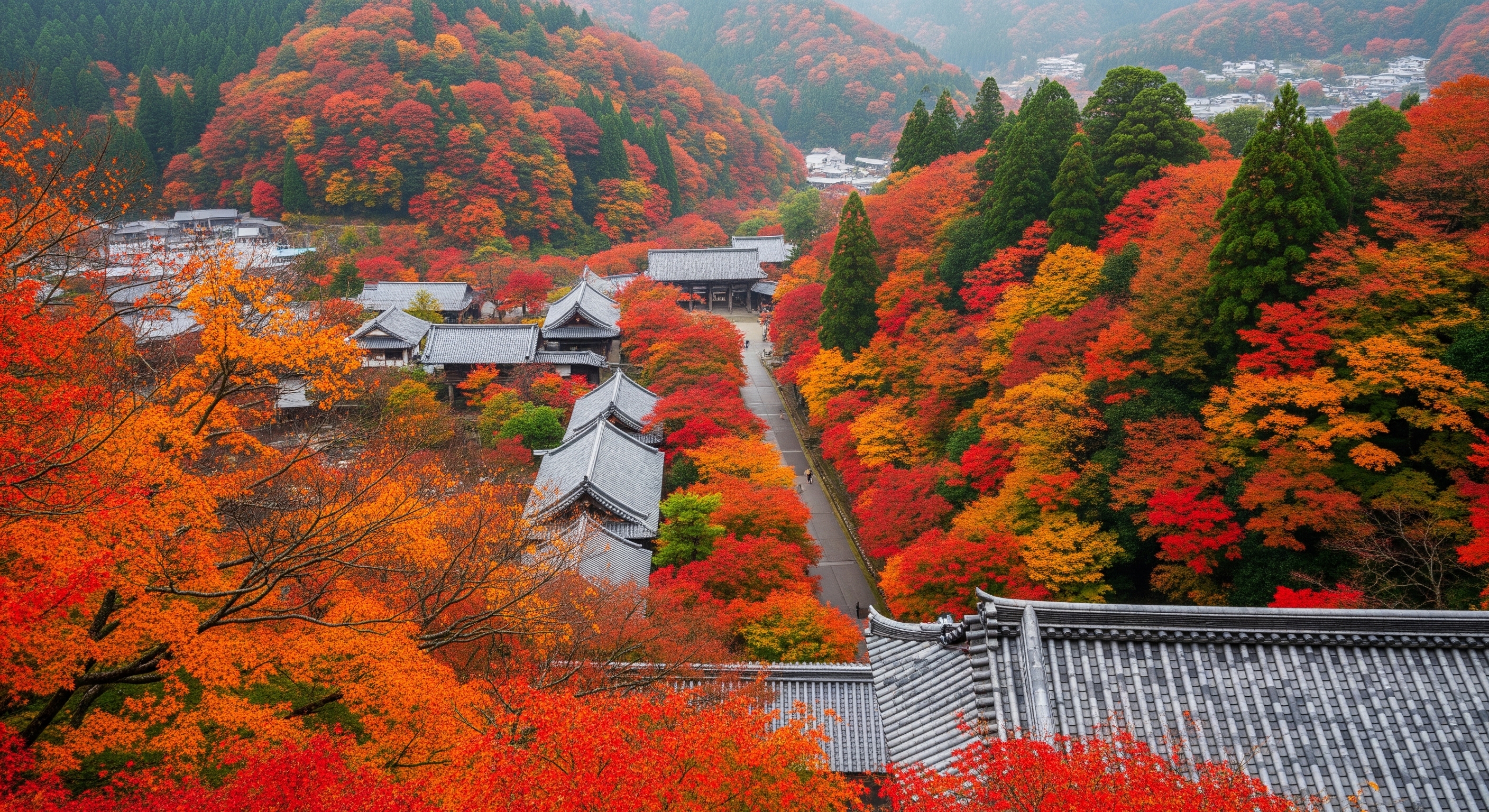 TOFUKUJI
 Arashiyama
The Hozu River gorge turns deep red and orange as the maples on its banks peak. The bamboo grove is still green but the broader district’s forested hillsides are spectacular. Tenryu-ji garden (¥500) is beautiful in autumn. The Sagano Scenic Railway through the gorge sells out weeks in advance for November weekends. See the Arashiyama guide.
Rurikoin
A lesser-known jewel in the Yamashina area east of central Kyoto. A lacquered table reflects the maple garden overhead — the resulting image (green table, red maple reflection) is one of the most shared koyo photographs on Japanese social media. Open only during spring and autumn seasons. ¥2,000. Reserve online in advance.
Rurikoin only opens during spring and autumn special viewing periods. Tickets sell out quickly — check the official site and book as soon as the autumn session opens. Without a reservation you cannot enter.
Kiyomizudera
The wooden stage overlooking the eastern hills transforms completely in autumn — the forested hillsides below turn scarlet and gold around the stage. Night illumination (¥400) with the colored slopes lit against darkness. See the Kiyomizudera guide.
Philosopher’s Path
The canal-side walk between Nanzenji and Ginkaku-ji is lined with maple and cherry trees. Autumn cherry leaves (momiji) turn a distinct orange-red; the cherry trees add warm yellow tones that cherry blossoms don’t provide.
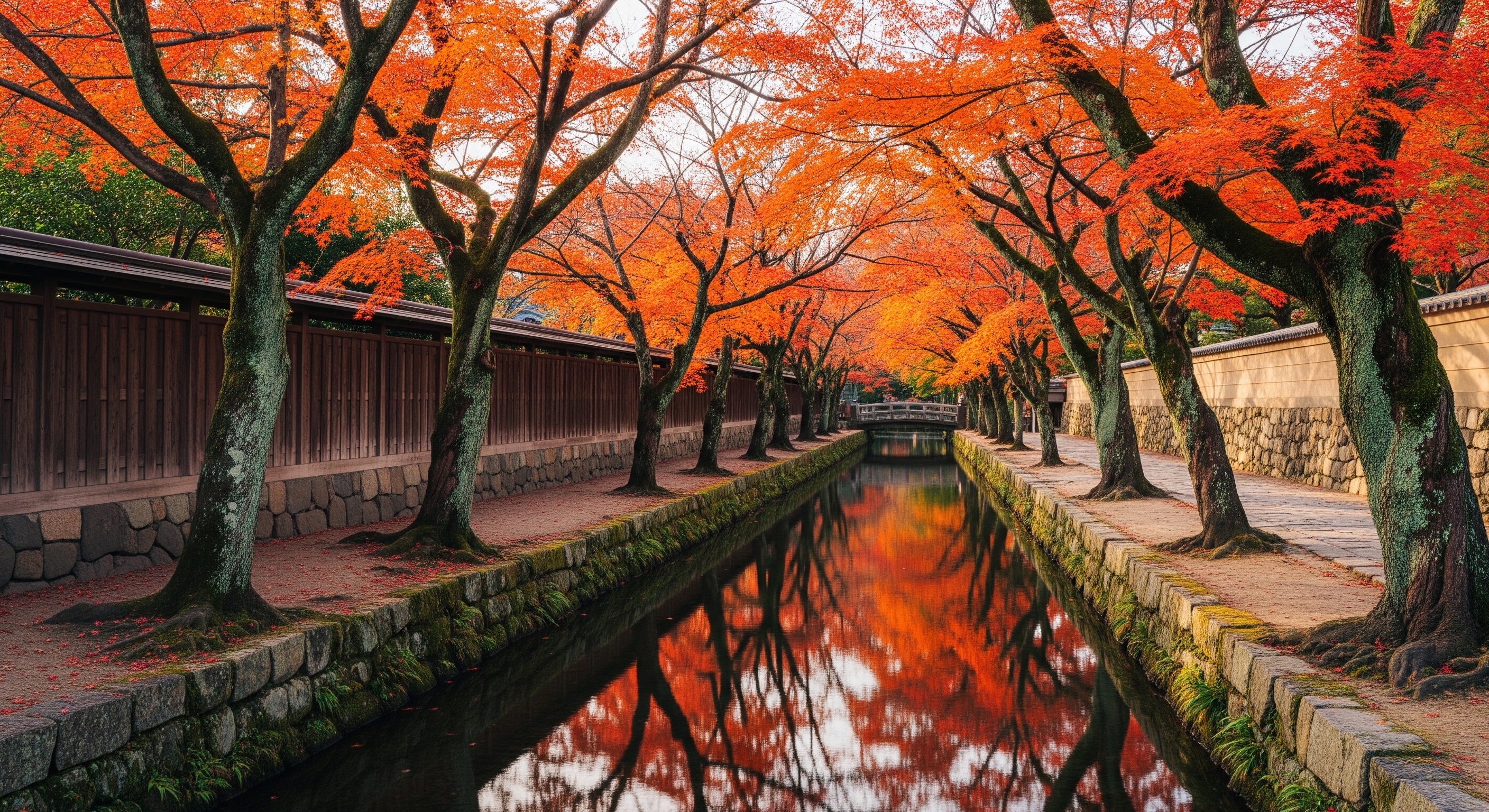 PHILOSOPHER'S PATH
 The Overlooked Spots
Jojakko-ji Temple (Arashiyama hillside): Moss-covered pagoda surrounded by maples. ¥500. Significantly less crowded than Arashiyama main area.
Daigoji Temple (Fushimi area): UNESCO Heritage Site with a five-story pagoda surrounded by maples and cherries. ¥1,500. A 20-minute JR ride from Kyoto Station; much less visited than central temples.
Sanzen-in (Ohara Village): 45 minutes by bus into the northern mountains. Moss and maple garden surrounding a small Amida hall. The Ohara area turns brilliantly in late November. Worth a half-day trip in good weather.
Sanzen-in and the Ohara valley are largely overlooked by first-time visitors. The 45-minute bus ride deters crowds, but the moss-and-maple garden is genuinely among Kyoto’s finest autumn scenes. Go on a clear late-November day.
Night Illumination Events
| Venue | Fee | Hours |
|---|---|---|
| Eikan-do | ¥1,000 | 6pm–9pm (November) |
| Kiyomizudera | ¥400 | 6pm–9:30pm |
| Kodaiji | ¥600 | 6pm–10pm |
| Arashiyama Hanatoro | Free / varies | Early December |
If budget is tight, prioritize one paid night illumination event. Eikan-do offers the most impact for ¥1,000. The free Arashiyama Hanatoro lantern festival in early December is excellent and costs nothing — though it runs after most trees have dropped their leaves.
Practical Tips
- Forecast tracking: Check koyo forecasts from September at Japan Meteorological Corporation and Tenki.jp. The 2-week forecast is reliable.
- Weekday visits: The difference between a weekday and weekend koyo visit at top spots like Tofukuji is dramatic — weekdays are 50–60% less crowded.
- Temperature and timing: Cold years peak later (late November or early December). Warm years peak earlier. Don’t book non-refundable travel too far in advance before checking the forecast.
- Photography: Overcast days provide even light and reduce harsh shadows through the canopy. The 30 minutes after a light rain is when colors appear most saturated.
Plan your visit: 3-Day Kyoto Itinerary adapts well for autumn. For cherry blossom season, see Kyoto Cherry Blossoms.
Evening in Gion: Our Gion Sake Walk is especially atmospheric during autumn — Gion lanterns and cool evening air make for an ideal end to a koyo day.
// KYOTO LOCAL EXPERIENCE
EXPLORE KYOTO
WITH A LOCAL GUIDE
Skip the crowds and see the Kyoto most visitors never find. Small-group tours led by local experts — built around genuine stories, hidden spots, and real connections with the city.
FAQ
When do autumn leaves peak in Kyoto? ▼
What are the best autumn foliage spots in Kyoto? ▼
Is autumn more or less crowded than cherry blossom season? ▼
What makes Japanese maple foliage special? ▼
RELATED GUIDES
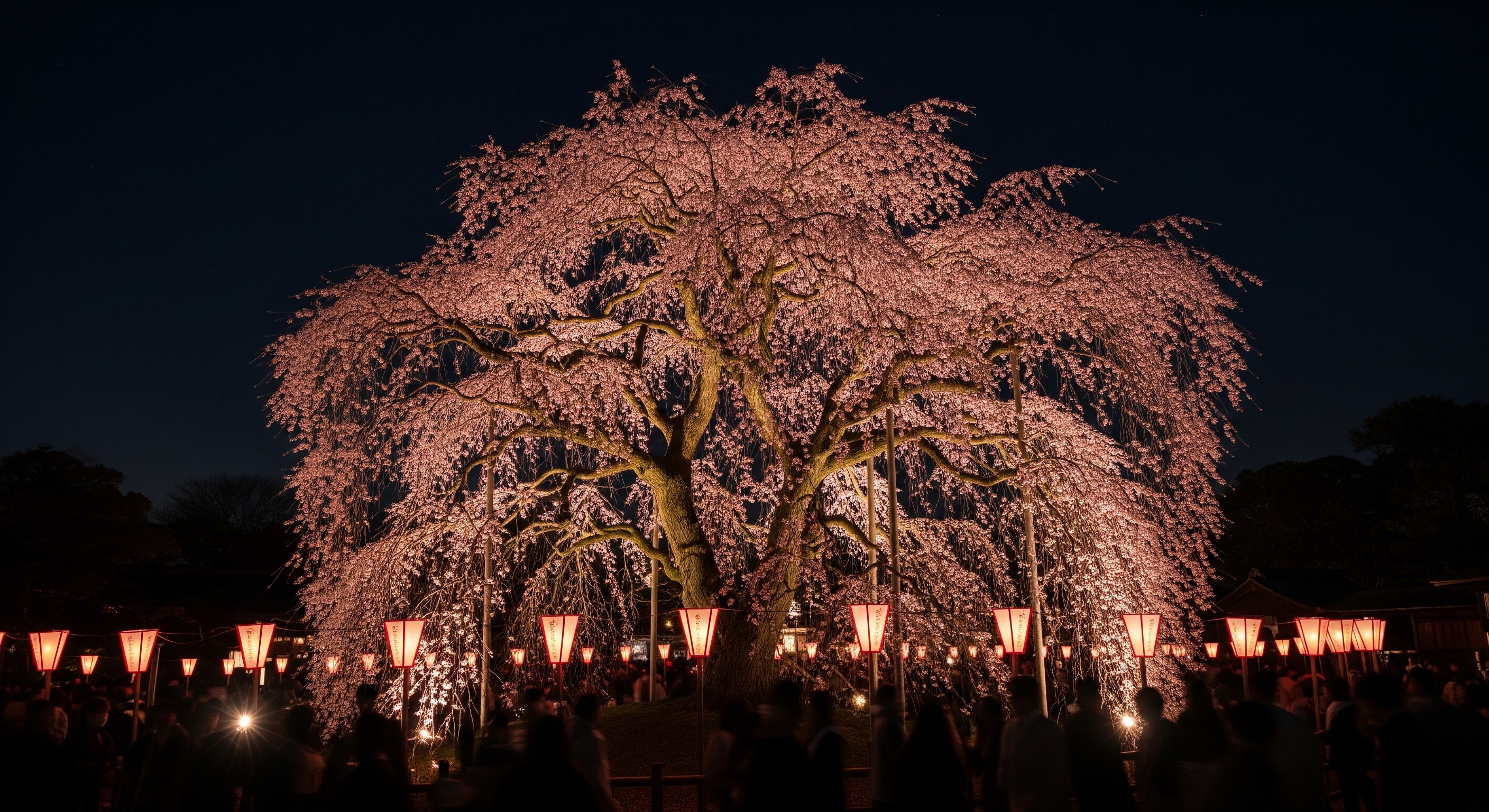
Kyoto Cherry Blossom Spots: 10 Best Sakura Places
A practical guide to Kyoto's best cherry blossom spots, from iconic sakura views in Higashiyama to quieter river walks, late-blooming temples, and evening illumination areas.
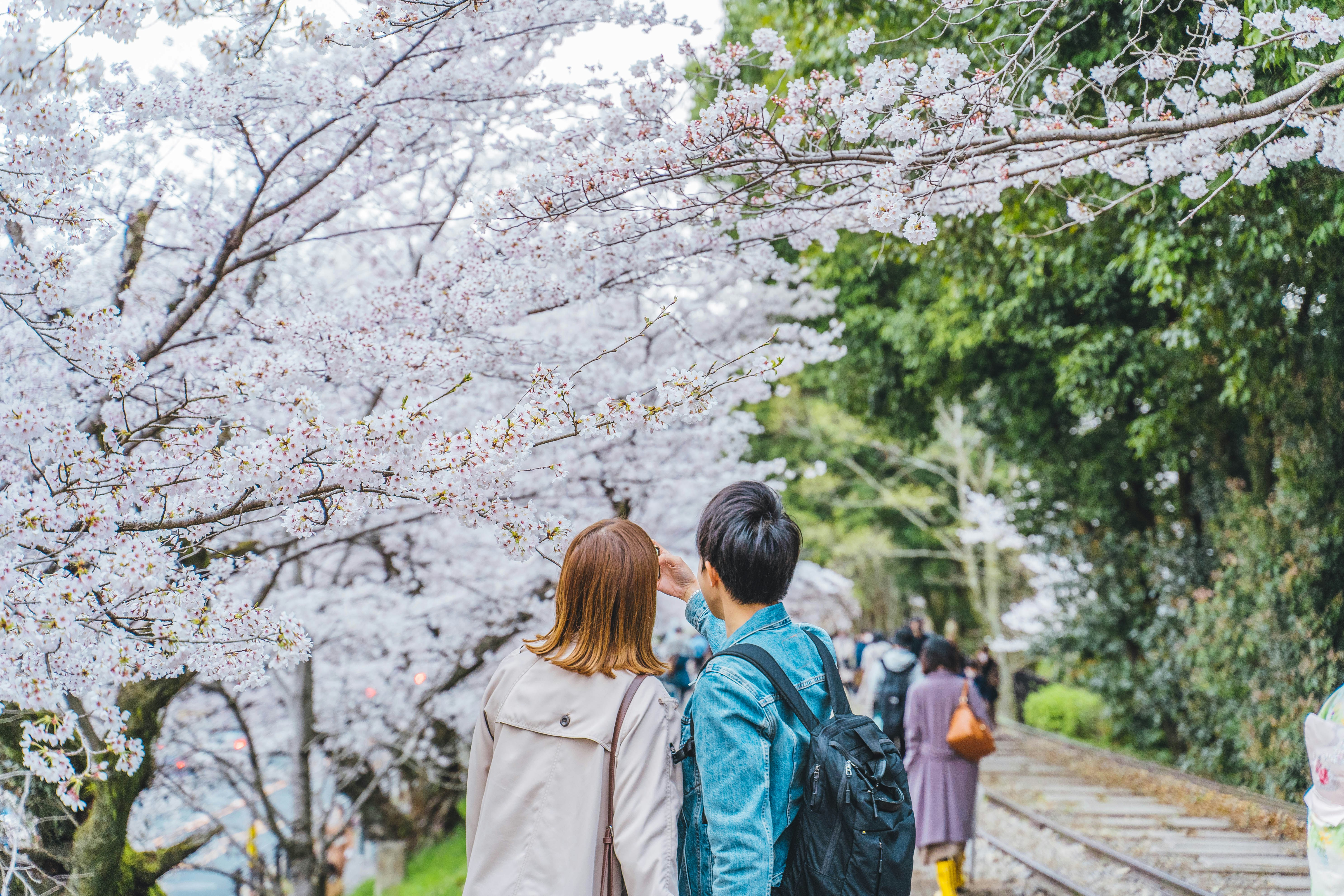
Kyoto Cherry Blossoms: Best Spots, Peak Timing & Tips
Plan your Kyoto sakura trip: the best cherry blossom spots, how to predict peak bloom timing, crowd management strategies, and the hidden gems beyond the famous locations.
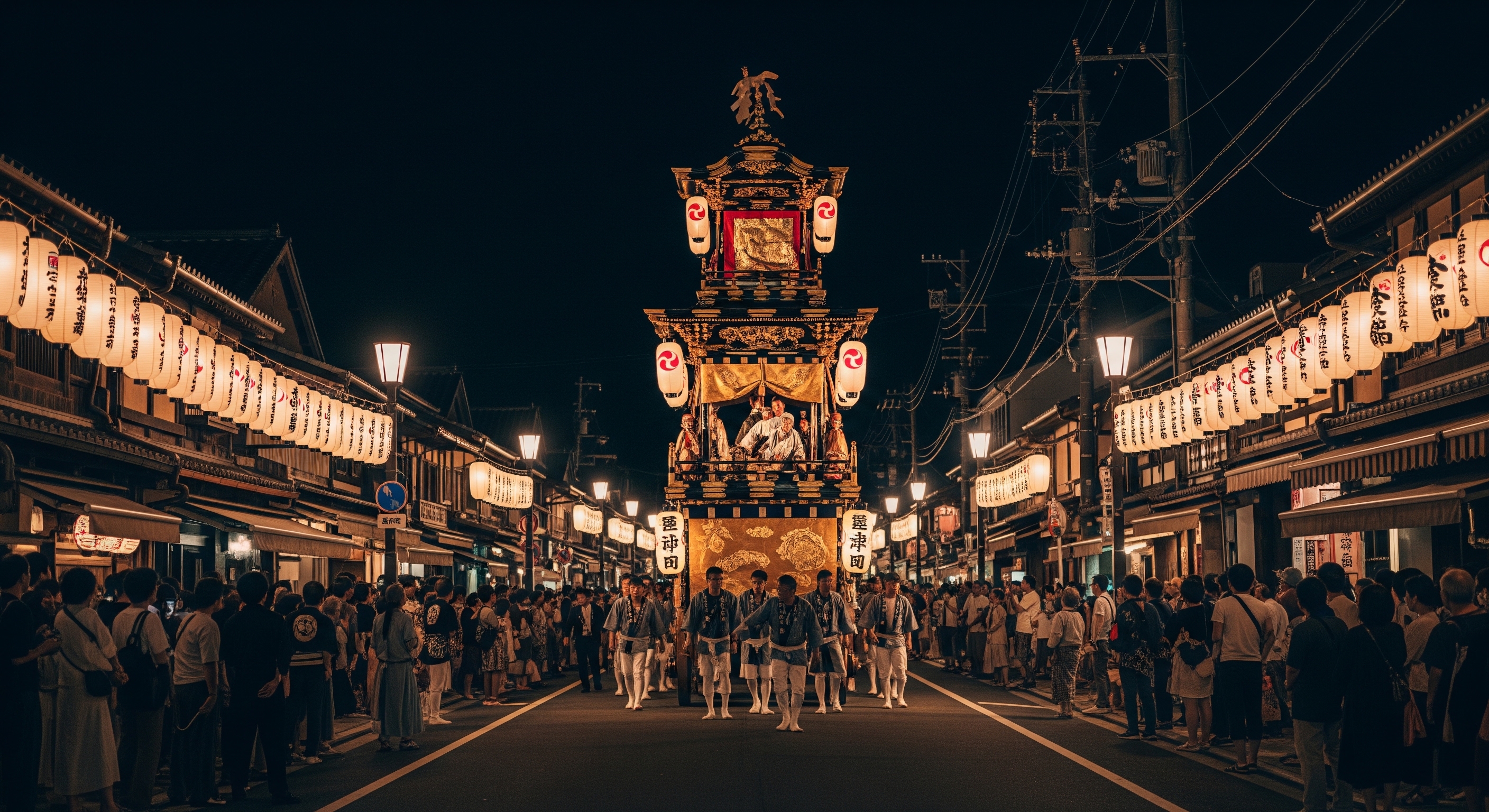
Gion Matsuri Festival Guide: Dates, Events & Tips
Everything you need for Gion Matsuri: the full July event calendar, which nights to visit for Yoiyama, where to see the Yamaboko float processions, and practical tips for navigating the crowds.
Local guide based in Gion, Kyoto. Leading intimate walking tours and sake experiences since 2018. Passionate about connecting travelers with authentic Kyoto culture.