FOOD & DRINK
Vegetarian & Vegan Kyoto: Where to Eat & What to Order
Vegetarian & Vegan Kyoto: Where to Eat & What to Order
Why Kyoto Is Japan’s Best City for Vegetarians
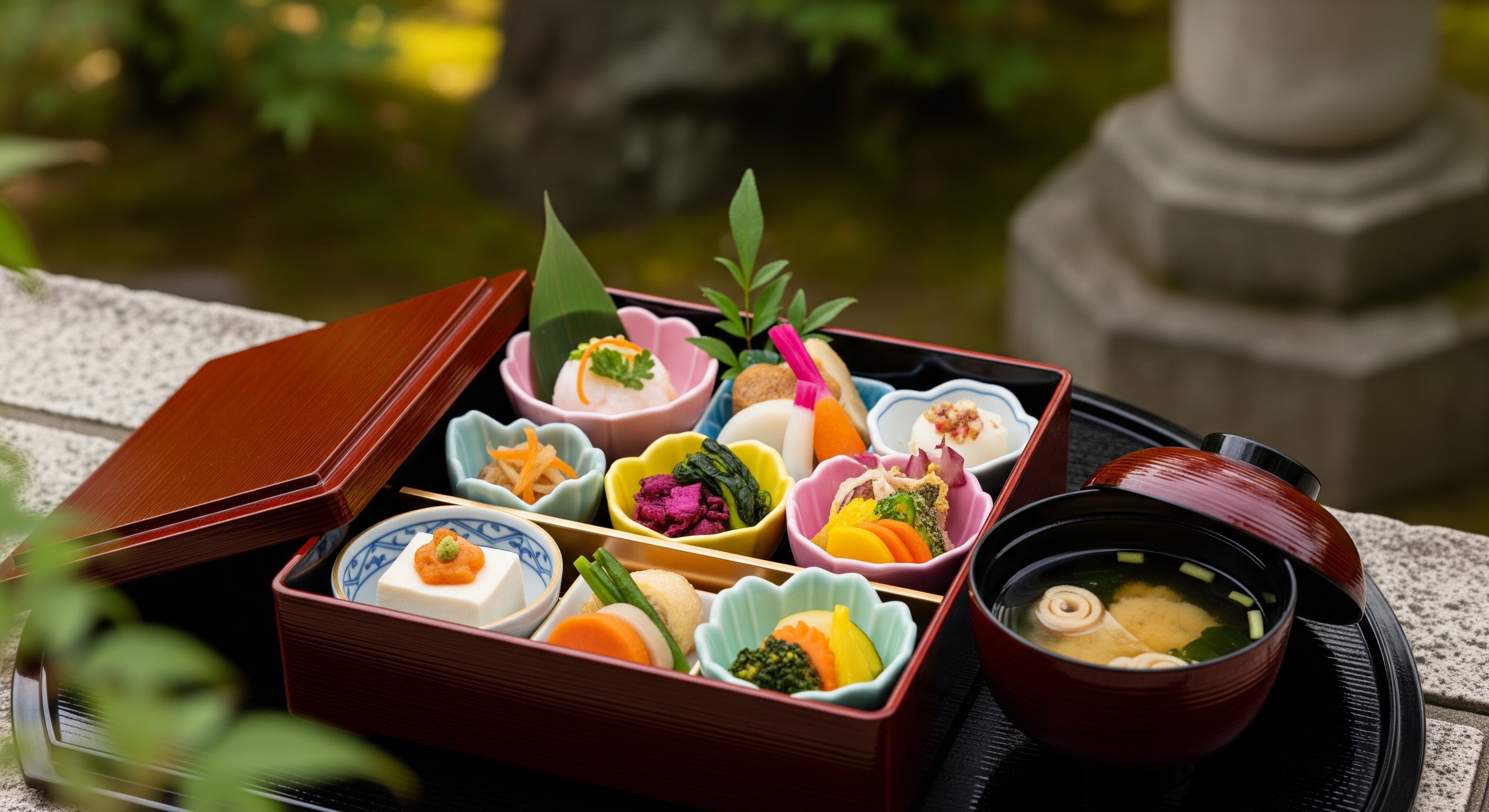
Kyoto has the densest concentration of Buddhist temples of any Japanese city. Buddhist precepts prohibit meat consumption, which historically produced an entire cuisine — shojin ryori — built around plant-based ingredients. This tradition never fully disappeared. Several of Kyoto’s most celebrated restaurants serve temple-style vegetarian cuisine that has nothing to do with trend or compromise — it’s simply how this food has always been made.
Add to this the city’s tofu tradition (Kyoto produces some of Japan’s finest soft tofu from its exceptionally soft water), an obanzai culture built around seasonal vegetables and fermented foods, and increasing awareness from the international tourism market, and Kyoto is genuinely manageable for vegetarian and vegan travelers.
Dashi (fish stock made from bonito flakes or dried sardines) is in virtually everything that isn’t explicitly labeled plant-based. Miso soup, sauces, braised vegetables, and many apparently vegetarian dishes use dashi. Strict vegans need to ask explicitly at every restaurant.
 SHOJIN RYORI
 Shojin Ryori: The Best Vegetarian Experience
What It Is
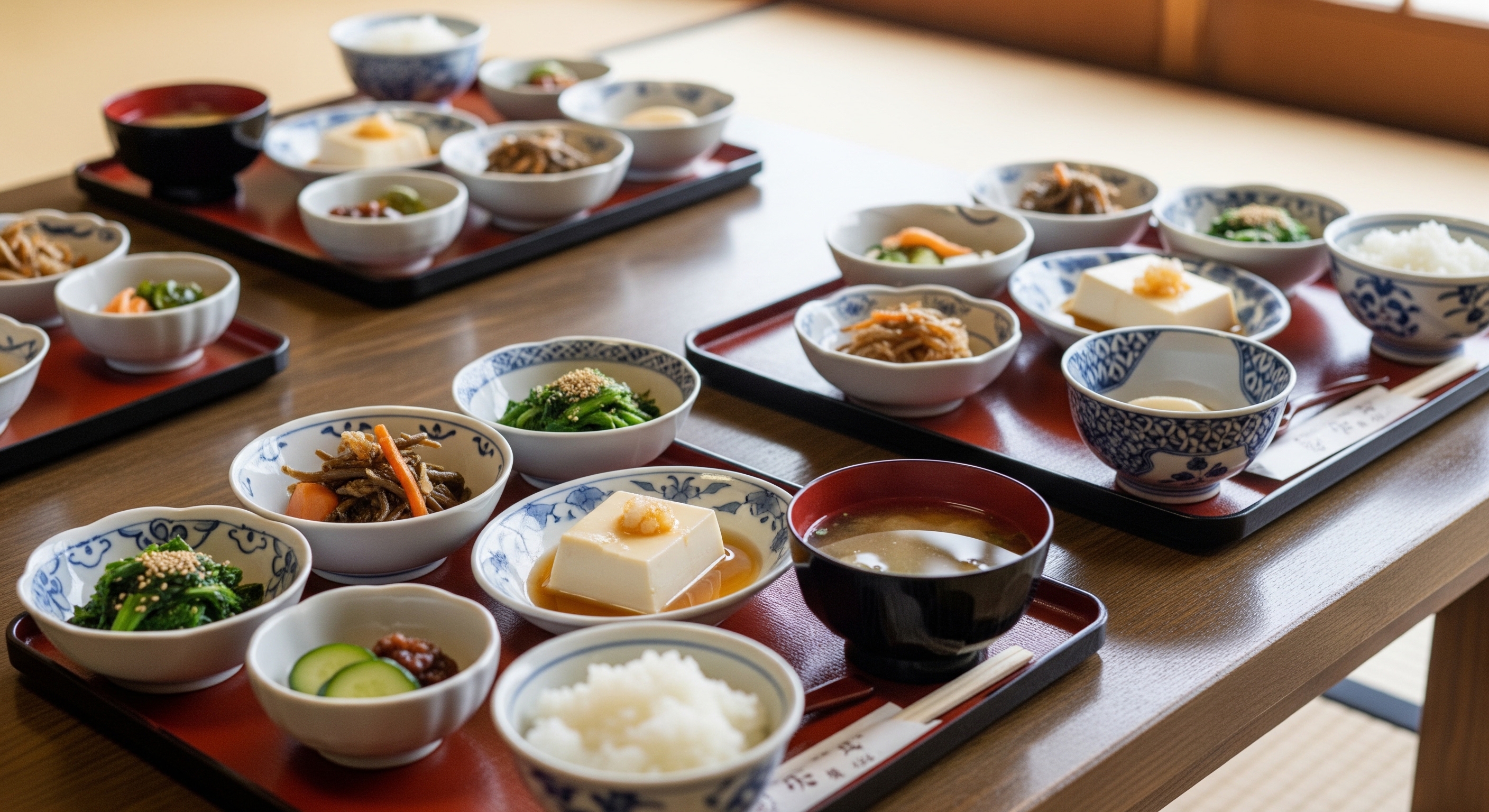
Shojin ryori is the formal Buddhist vegetarian cuisine served at Zen temples. No meat, fish, or their stocks. Many traditional preparations also avoid the “five pungent roots” — garlic, onion, green onion, chives, and leeks — following medieval Buddhist precepts.
Dishes center on: tofu and yuba (tofu skin), wheat gluten (fu), sesame and sesame paste, mountain vegetables (sansai), pickles, and miso-based preparations. The cooking philosophy values simplicity, seasonality, and expressing the natural character of each ingredient.
All major shojin ryori restaurants require advance reservations, and many need at least a day’s notice. Tenryu-ji Shigetsu in particular fills quickly during peak season. Book before you arrive in Kyoto if possible.
Where to Try It
Tenryu-ji Shigetsu — Restaurant inside Tenryu-ji Temple in Arashiyama. Set meals ¥3,500–¥5,500. The garden view is included. Reserve in advance.
Izusen — A famous shojin ryori restaurant near Daitokuji Temple in northern Kyoto. Lunch sets served on traditional lacquerware in multiple small dishes. ¥3,000–¥5,000.
Hakusasonso — A kaiseki-influenced vegetarian restaurant in the Okazaki area. More creative interpretation of the tradition.
 KYOTO TOFU
 Tofu Restaurants
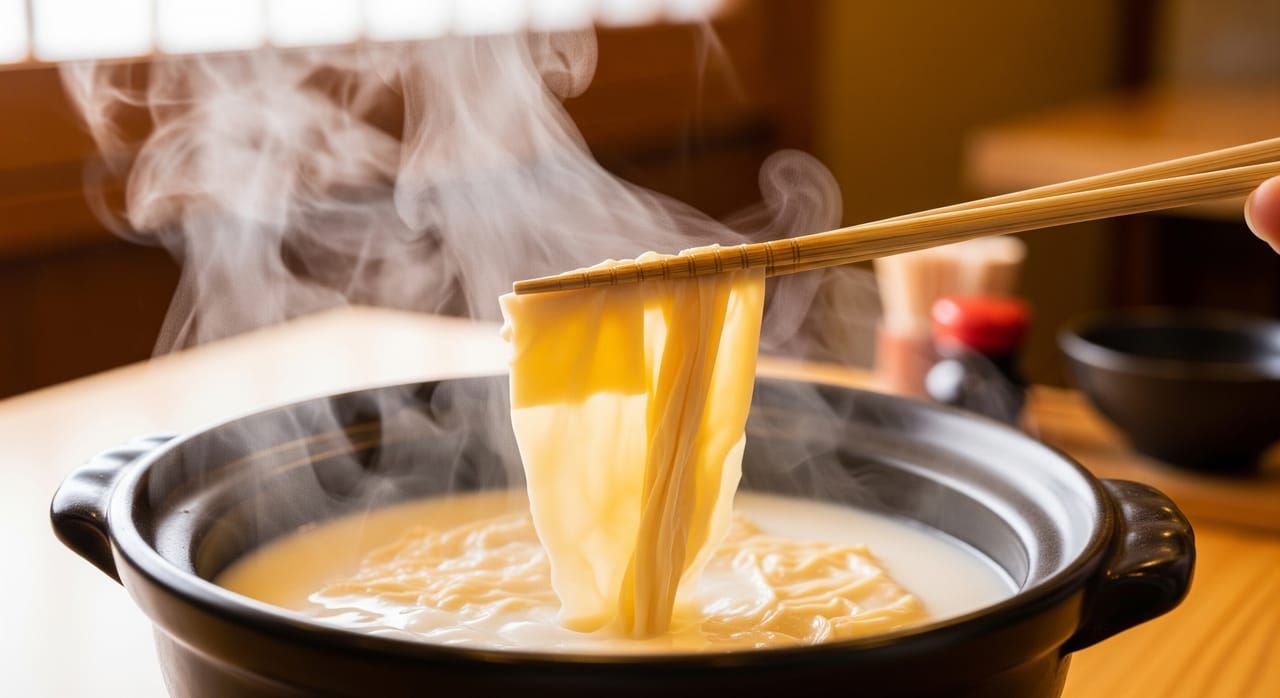
Kyoto’s soft water produces exceptionally delicate tofu. Several restaurants specialize entirely in tofu-based cuisine:
Tousuiro (Arashiyama and central Kyoto locations) — Multi-course tofu kaiseki. Fully vegetarian, ¥3,500–¥8,000 depending on course.
Yudofu at Nanzenji — The area around Nanzenji Temple has a cluster of restaurants serving yudofu (simmered tofu in kombu dashi). Traditional, simple, and excellent. Most are explicitly vegetarian; ask about the kombu stock if strict vegan.
The yudofu restaurants around Nanzenji fill quickly between 11:30am and 1pm. Arriving right at 11:30 when they open gets you a table without a wait and often a quieter, more relaxed meal. The area is significantly less crowded on weekday mornings.
Always reserve ahead — walk-ins are rarely possible on weekends
Opens smoothly; crowds build by noon
Peak lunch hour, expect waits without reservation
Obanzai Restaurants
Traditional Kyoto home cooking uses many plant-based dishes — simmered vegetables, pickles, tofu, and seasonal preparations. The best obanzai restaurants rotate their menu around what’s available. Many dishes are vegetarian; ask about dashi in the broths.
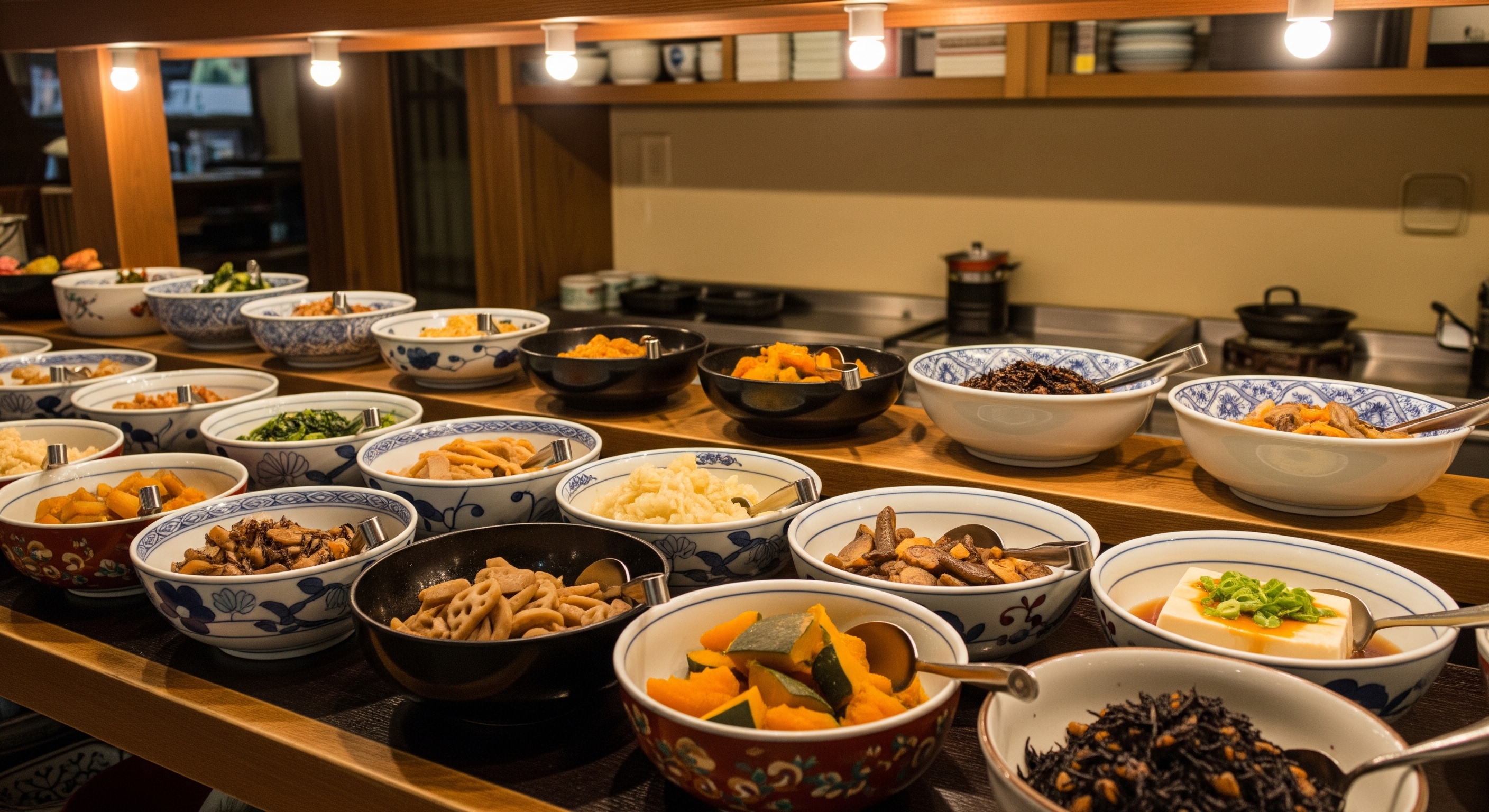
The Teramachi and Nishiki area has several obanzai lunch restaurants with buffet-style or set meal formats where you can see and identify what’s in each dish before ordering.
 OBANZAI
 Obanzai set lunches in the Nishiki and Teramachi area typically run ¥1,000–¥1,500 and include rice, miso soup, and multiple small vegetable dishes. This is among the most affordable ways to eat well as a vegetarian in central Kyoto.
Useful Phrases
| Situation | Japanese | Romaji |
|---|---|---|
| I’m vegetarian | 私はベジタリアンです | Watashi wa bejitarian desu |
| No meat or fish | 肉と魚は食べられません | Niku to sakana wa taberaremasen |
| Is there fish stock? | だしは魚ですか? | Dashi wa sakana desu ka? |
| No egg or dairy | 卵と乳製品も食べられません | Tamago to nyuuseihin mo taberaremasen |
| Vegan | ヴィーガン | Viigan |
Many restaurants respond better to a written card than spoken phrases. Print or screenshot a dietary restriction card in Japanese before your trip — apps like Google Translate’s camera mode can also help you read menus on the fly. Several free “I am vegan” card templates designed for Japan are available online.
Apps and Resources
HappyCow has listings for vegetarian and vegan-friendly Kyoto restaurants, with user reviews identifying hidden dashi issues.
Vegewel is a Japan-specific app with curated listings including shojin ryori.
Most major hotel concierges in Kyoto are now familiar enough with vegetarian needs to make reservations and confirm kitchen capabilities.
Related: What to Eat in Kyoto for the broader food picture. Sake in Kyoto — most sake is vegetarian and pairs well with shojin ryori.
Guided evening option: Our Gion Sake Walk can accommodate dietary restrictions — let us know in advance and we’ll point you toward plant-based options along the route.
// KYOTO LOCAL EXPERIENCE
EXPLORE KYOTO
WITH A LOCAL GUIDE
Skip the crowds and see the Kyoto most visitors never find. Small-group tours led by local experts — built around genuine stories, hidden spots, and real connections with the city.
FAQ
Is Kyoto easy for vegetarians? ▼
What is shojin ryori? ▼
How do I say I'm vegetarian in Japanese? ▼
Are there vegan options at ordinary restaurants? ▼
RELATED GUIDES
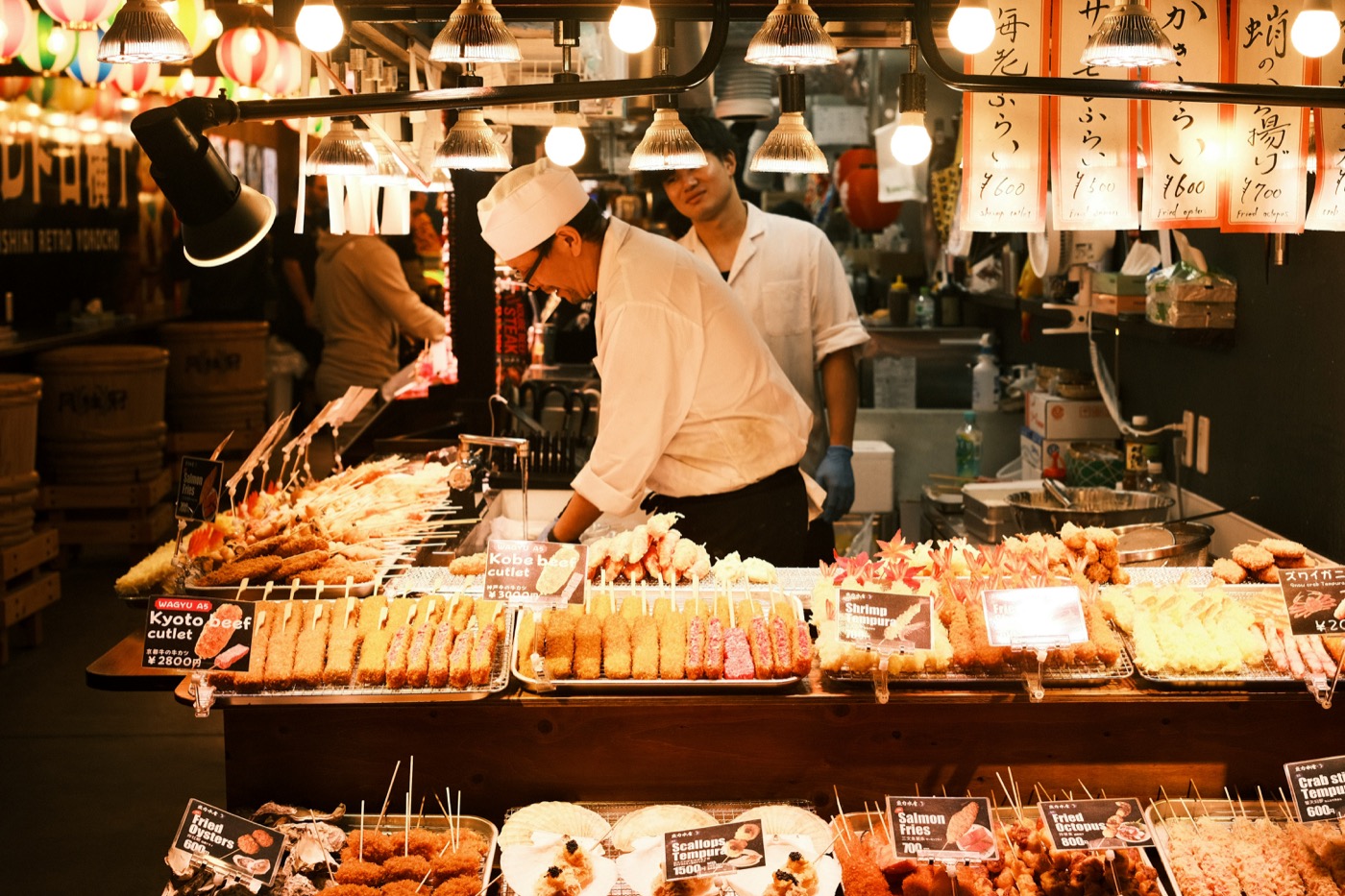
Nishiki Market Food Guide: What to Try Stall by Stall
Navigate Nishiki Market like a local: the best stalls, what to eat, what to skip, opening hours, and how to make the most of Kyoto's famous covered food market.
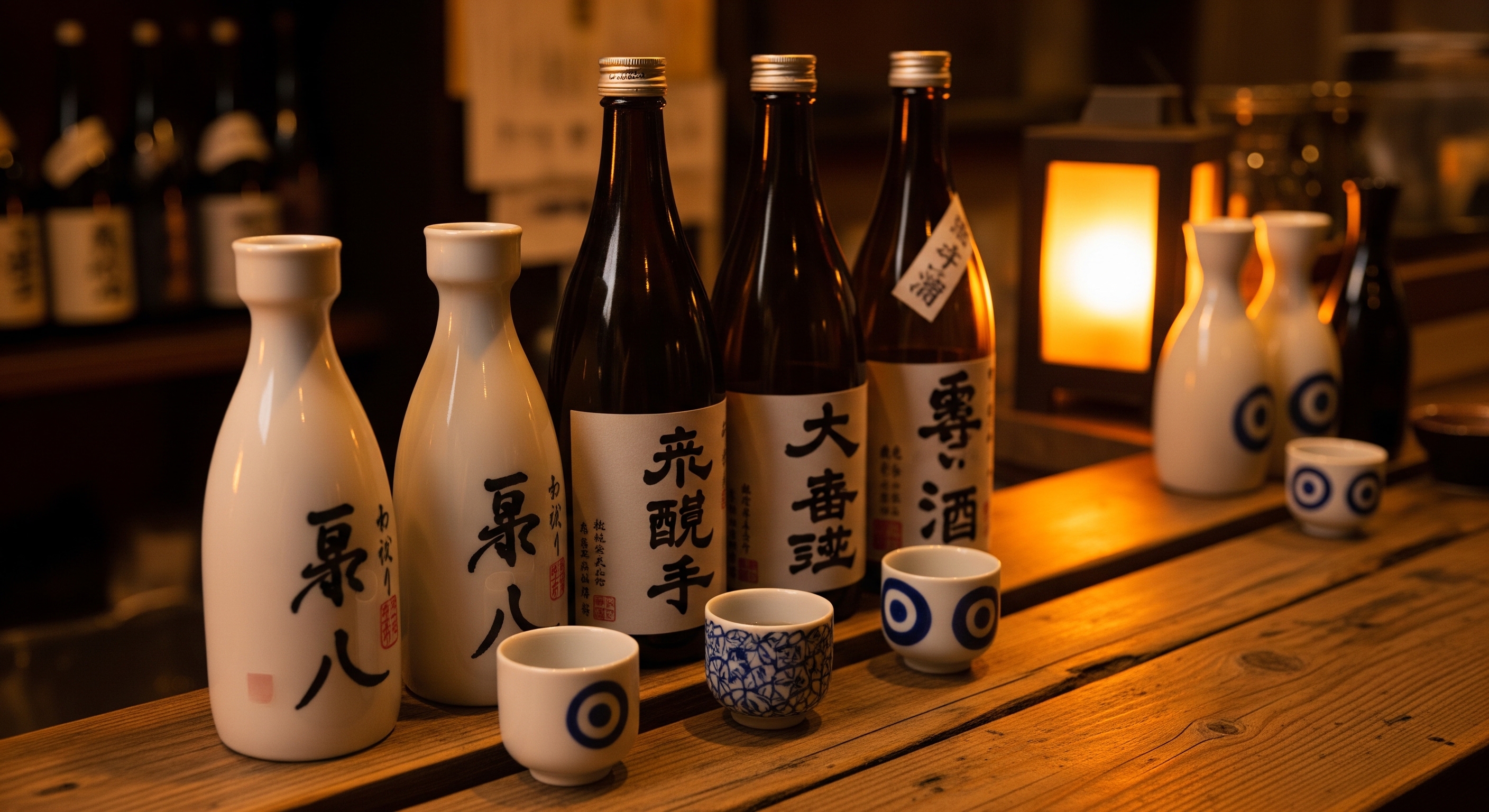
Sake in Kyoto: Fushimi Breweries, Bars & Tasting Tips
How to explore sake in Kyoto: the Fushimi brewery district, best izakayas and sake bars in Gion, tasting tips for beginners, and what makes Fushimi sake distinct.
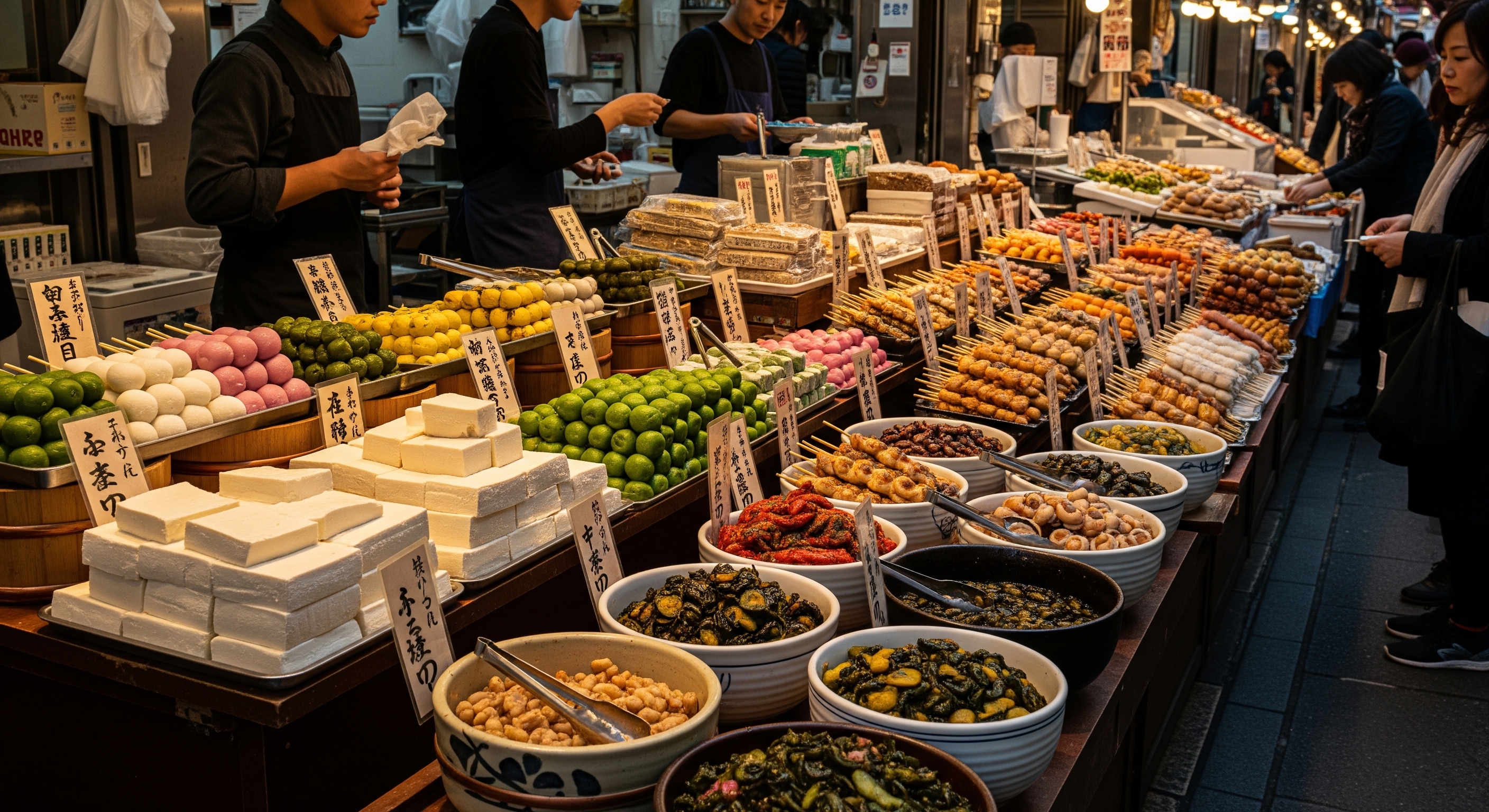
What to Eat in Kyoto: 15 Must-Try Dishes
The essential Kyoto food guide: 15 dishes and drinks to try, where to find the best versions, and what makes Kyoto's cuisine distinct from the rest of Japan.
Local guide based in Gion, Kyoto. Leading intimate walking tours and sake experiences since 2018. Passionate about connecting travelers with authentic Kyoto culture.