FOOD & DRINK
Sake in Kyoto: Fushimi Breweries, Bars & Tasting Tips
Sake in Kyoto: Fushimi Breweries, Bars & Tasting Tips
Fushimi: Kyoto’s Sake Capital
Fushimi-ku (Fushimi Ward) sits south of central Kyoto, roughly between Fushimi Inari Shrine and Momoyama Hill. The district has been a major sake-producing center since the 16th century, when Toyotomi Hideyoshi built Fushimijo Castle here and the area became a commercial hub.
The secret is the water. Fushimi sits above one of Japan’s finest underground water sources — the fusemizu, derived from rain filtered slowly through the surrounding hills. This water is extremely soft (low mineral content), which creates ideal conditions for a specific fermentation style. Fushimi sake is generally lighter, rounder, and slightly sweeter than the harder-profile sake from Nada in Kobe.
Ask for a glass of Fushimi tap water at any of the brewery tasting rooms — several offer it alongside sake samples. Comparing the water itself to the finished sake reveals exactly how the soft mineral profile translates to flavor. It’s one of the most educational two minutes in sake appreciation.
Today, Fushimi hosts dozens of breweries, many producing on industrial scale (Gekkeikan, Kizakura, Sho Chiku Bai) and several smaller craft producers.
 FUSHIMI
 Brewery Visits
Gekkeikan Okura Sake Museum
The best public sake museum in Japan. Gekkeikan has been brewing in Fushimi since 1637 and the museum occupies a beautifully preserved warehouse from the Meiji period. Exhibits walk through the full sake production process with traditional equipment. Tasting included. ¥600 entry. 10-minute walk from Chushojima Station (Kintetsu Kyoto Line).
Weekday mornings are significantly quieter than weekends. The tasting bar inside the museum pours three samples with admission — worth arriving at opening (10:00) to take your time with each pour without a queue behind you.
Kizakura Kappa Country
A brewery complex with an on-site restaurant, tasting bar, and museum. Free to enter, tastings available. The kappa (water sprite) mascot reflects local mythology around Fushimi’s water. Walking distance from Fushimi-Momoyama Station.
Sake Canal (Horikawa Canal)
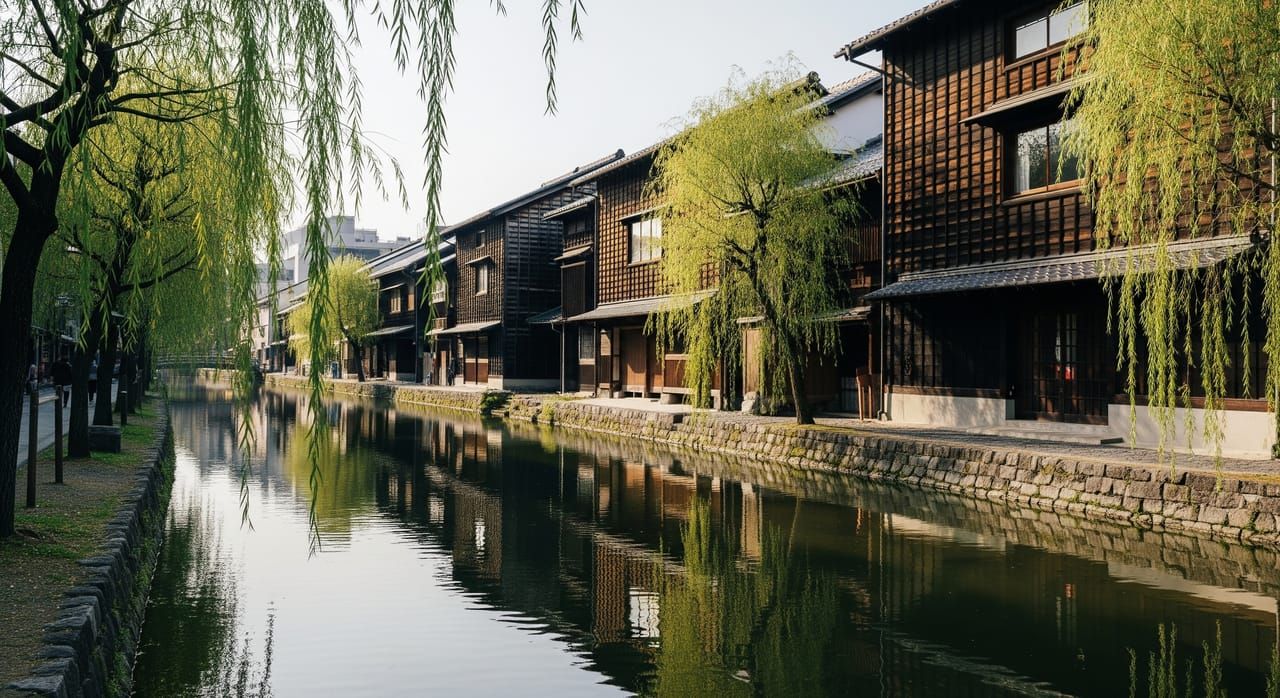
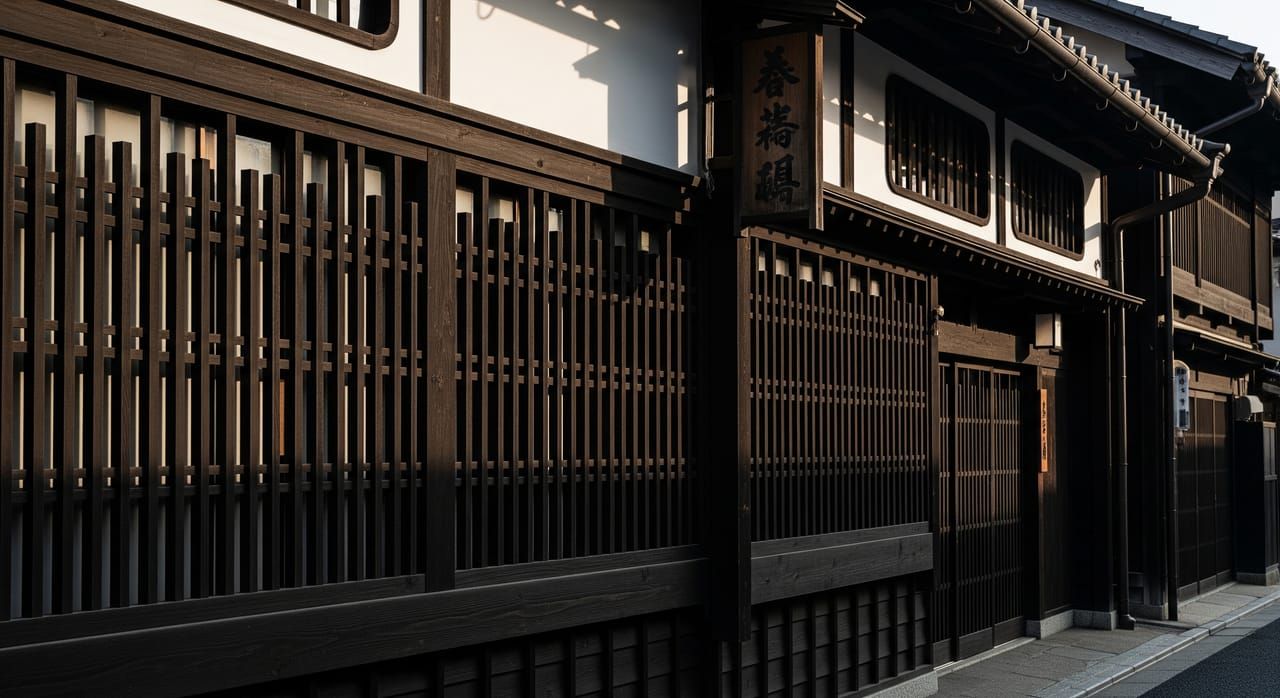
Walk the old canal that once transported sake barrels from Fushimi down to Osaka. Lined with traditional brewery buildings with distinctive dark slatted facades, weeping willows, and small boats. This is the photogenic version of Fushimi most people have seen — access is free and the 20-minute walk from station to station covers the best of it.
Quiet enough to photograph freely; local residents and the occasional brewer
Popular with day-trippers combining with Fushimi Inari; plan for crowds near the main canal stretch
 BREWERY
 Sake Basics for Beginners
The main categories by grade:
- Junmai — “pure rice,” brewed from only rice, water, yeast, and koji. No added alcohol.
- Ginjo — rice polished to at least 60% of original grain size. Fragrant, fruity.
- Daiginjo — polished to 50% or less. The premium expression: delicate, aromatic, expensive.
Key flavor terms:
- Karakuchi (dry) vs amakuchi (sweet) — the primary axis
- Tanrei — light-bodied and clean, the Fushimi house style
- Kimoto/Yamahai — traditional fermentation starters; earthier, more complex
- Nigori — cloudy, unfiltered; rich and often slightly sweet
- Nama — unpasteurized; fresh, fruity, requires refrigeration
Temperature: Good sake is served at multiple temperatures. Hiya (room temp) shows delicate aromas. Nurukan (~40°C) is gentle warmth. Atsukan (50°C+) is hot and bold. Cheaper sake is often improved by heat; fine daiginjo is better cold.
At Fushimi brewery tasting counters, ¥300–¥500 gets you 3–5 samples — better value and more variety than ordering individual glasses at a bar. Do the museum round in the morning and save the bar crawl for the evening.
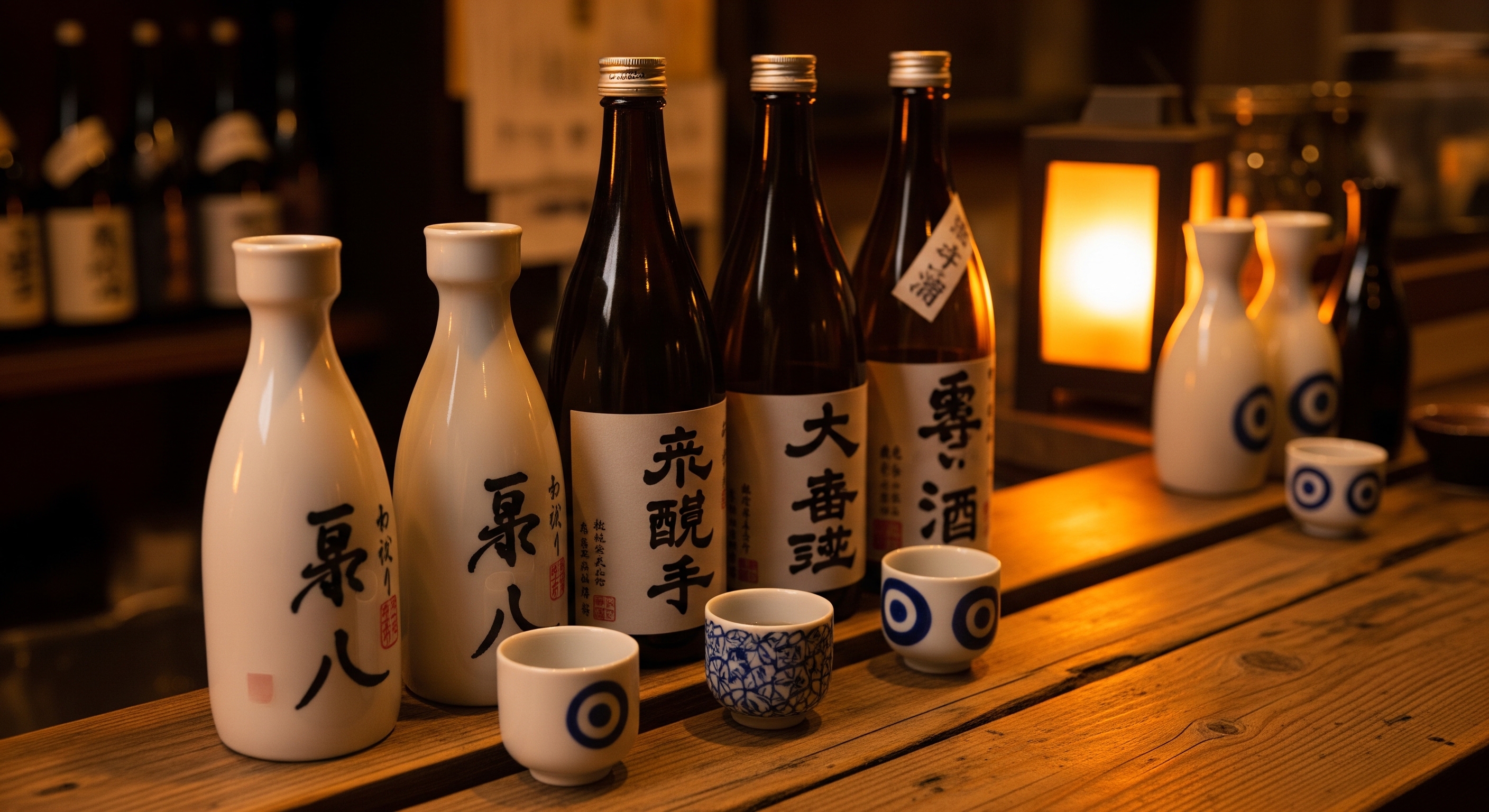
Japanese sake labels almost never include English. The key kanji to recognize: 純米 (junmai), 吟醸 (ginjo), 大吟醸 (daiginjo), 生 (nama), 濁り (nigori). Most specialist bars in Kyoto have staff who can explain in basic English — pointing to the bottle and asking 辛口か甘口か (karakuchi ka amakuchi ka — dry or sweet?) gets a reliable answer anywhere.
Sake Bars in Kyoto
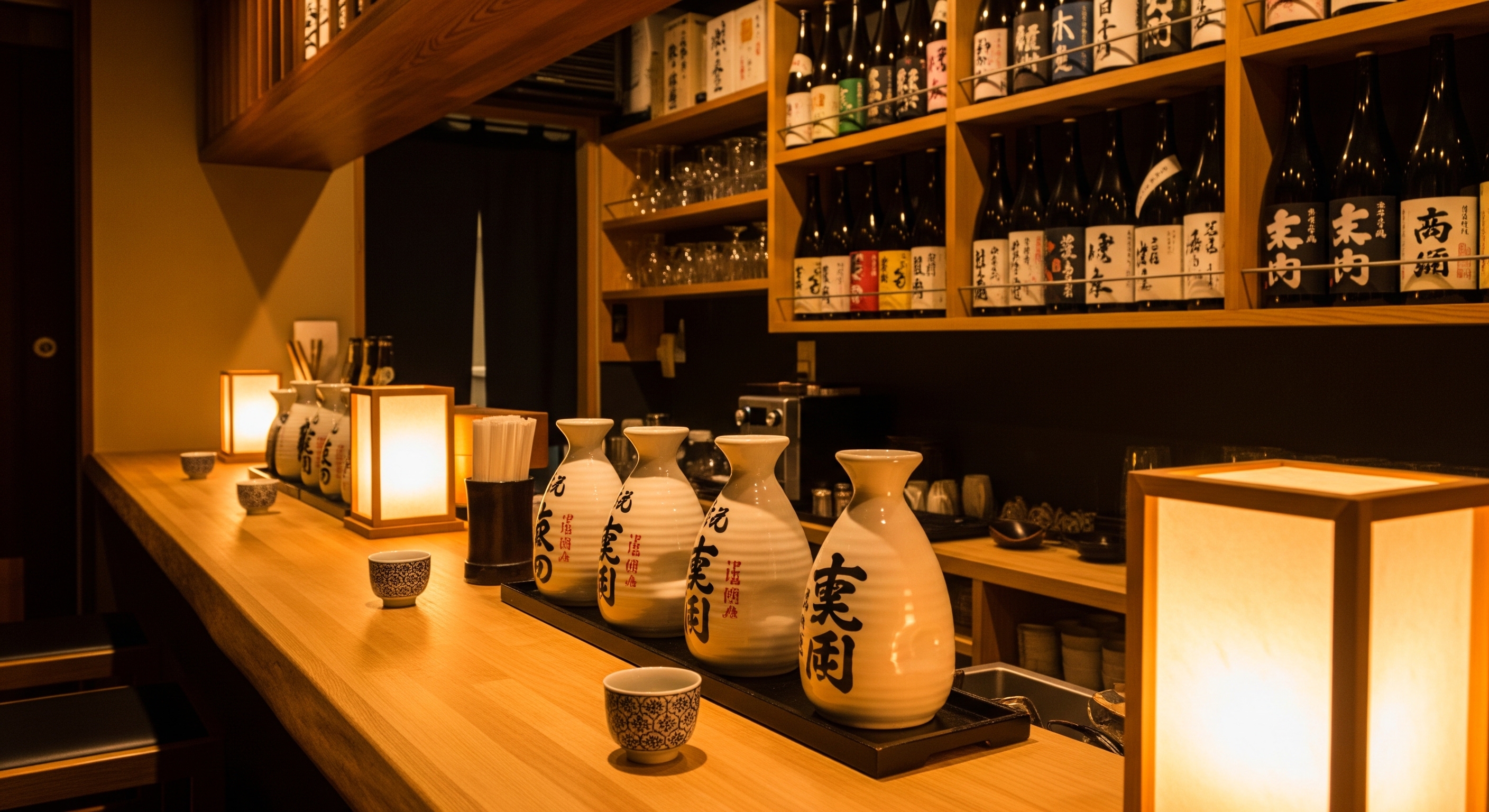
Gion district: The small bars along the backstreets of Gion often have exceptional sake selections and knowledgeable owners. Look for nihonshu-dokoro (sake specialty places) rather than standard izakayas.
Pontocho: The narrow alley running between Shijo and Sanjo parallel to the Kamo River. Densely packed with restaurants, bars, and sake specialists. Atmospheric in the evening.
Fushimi waterway: The small bars along the Benten canal in Fushimi serve local brews in the shadow of the brewery warehouses. More casual, more local, lower prices.
 GION
GION Many of Gion’s best sake bars are reservation-only or have a standing policy of not seating solo walk-ins on busy nights (Friday, Saturday, eve of national holidays). Arriving before 18:30 on a weeknight dramatically improves your chances of a walk-in seat at the best spots.
When to Visit
October–January is the traditional sake-making season (sakekaeri — the return of the brewer). New sake (shinshu) is typically released from October, and many breweries hold open events. The kansai shinshu matsuri (new sake festival) in autumn is a good reason to time a Fushimi visit.
Worth the moderate crowds; new sake releases and brewery events make this the best time to visit Fushimi
Quieter at breweries; summer sake (natsu-zake, often light and sparkling) is available and underappreciated
Try it with food: The What to Eat in Kyoto Guide covers the dishes that pair best with sake. Nishiki Market has sake shops worth browsing.
Join us in Gion: Our Gion Sake Walk visits neighborhood bars in Gion with a local guide who knows what’s worth ordering.
// KYOTO LOCAL EXPERIENCE
EXPLORE KYOTO
WITH A LOCAL GUIDE
Skip the crowds and see the Kyoto most visitors never find. Small-group tours led by local experts — built around genuine stories, hidden spots, and real connections with the city.
FAQ
What makes Fushimi sake special? ▼
Can I visit sake breweries in Fushimi? ▼
What sake terms should I know? ▼
How much does sake cost in Kyoto bars? ▼
RELATED GUIDES
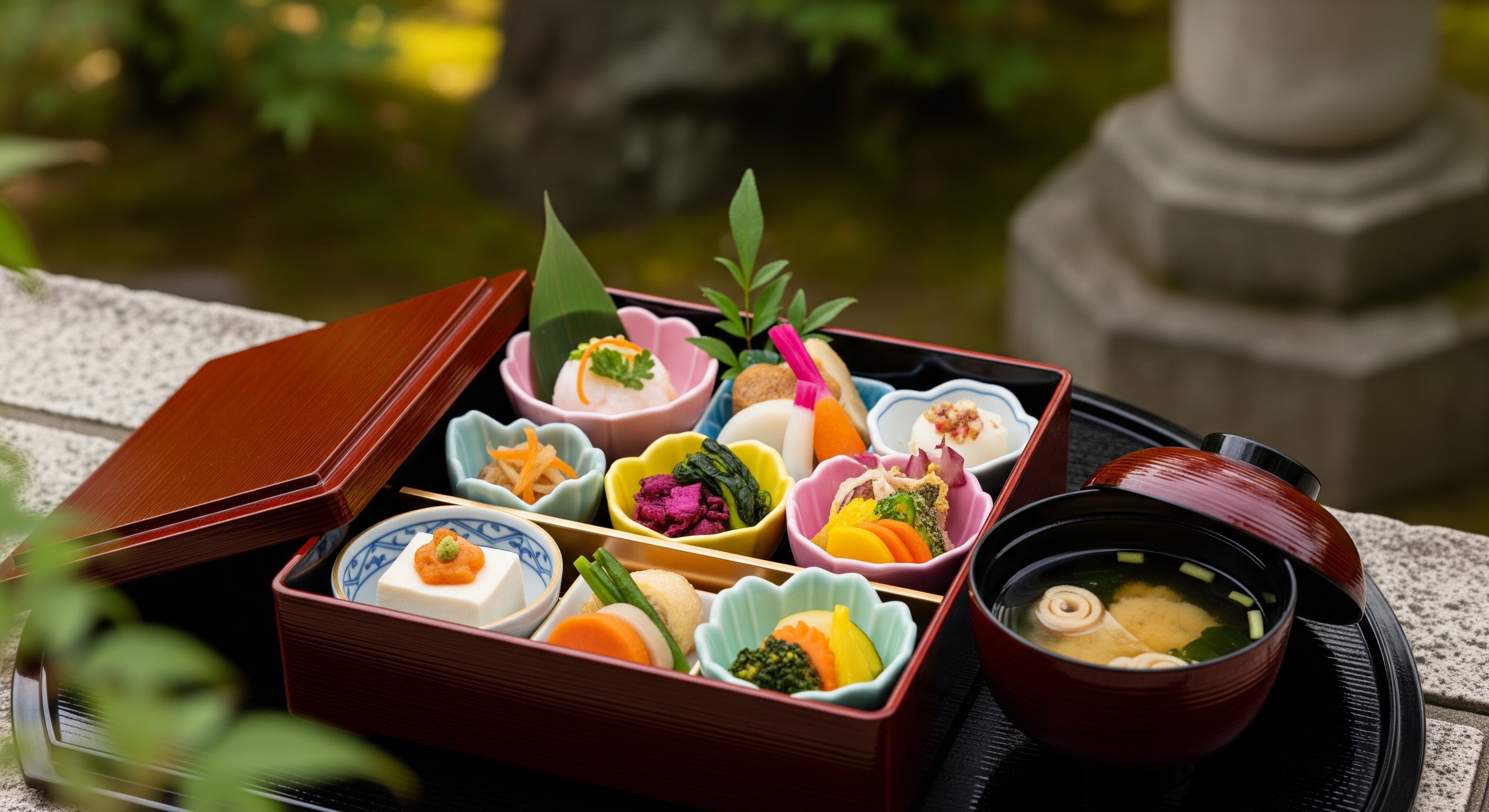
Vegetarian & Vegan Kyoto: Where to Eat & What to Order
A practical guide to eating vegetarian and vegan in Kyoto: Buddhist shojin ryori, the best plant-based restaurants, how to navigate menus, and useful phrases.
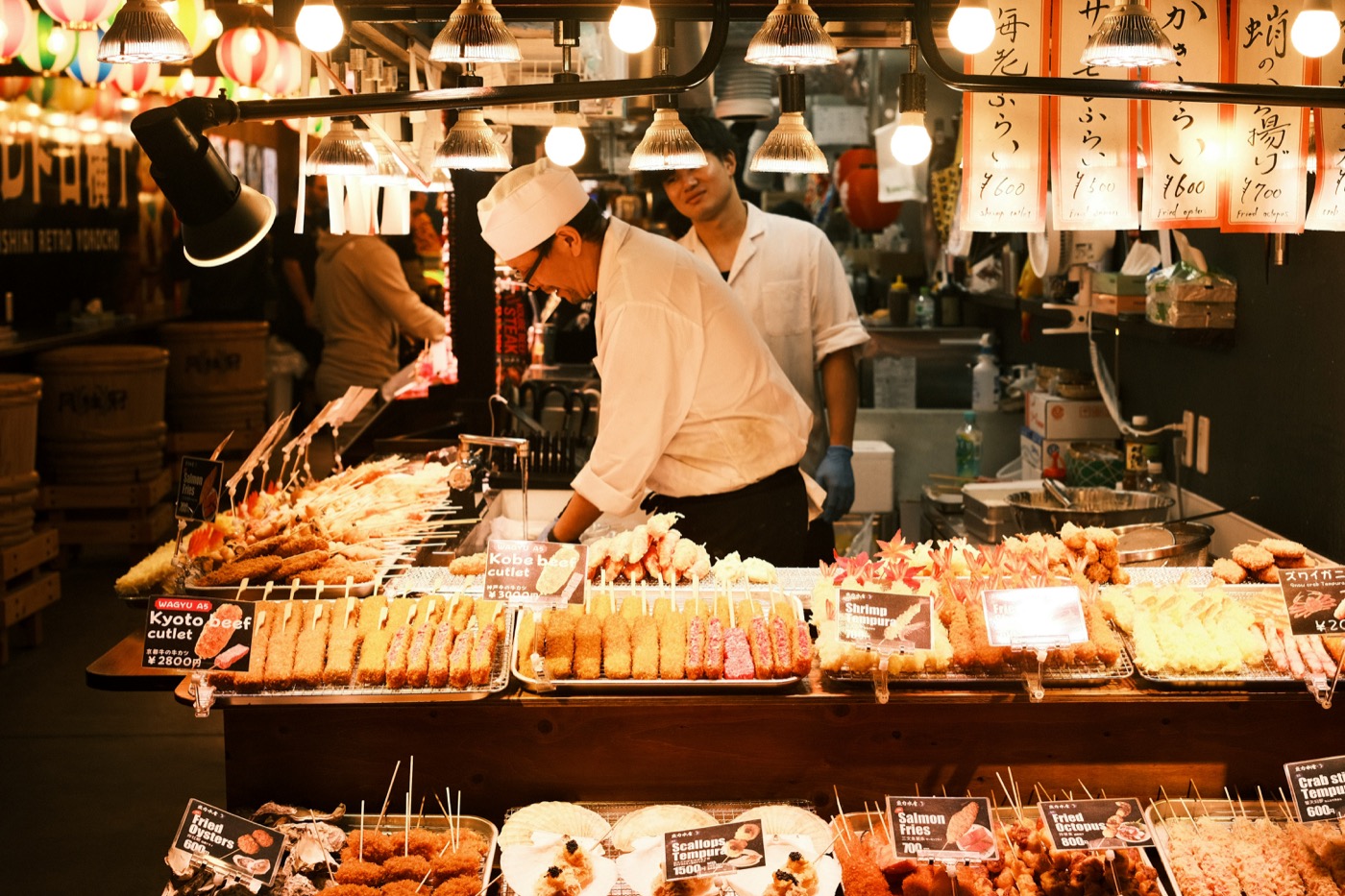
Nishiki Market Food Guide: What to Try Stall by Stall
Navigate Nishiki Market like a local: the best stalls, what to eat, what to skip, opening hours, and how to make the most of Kyoto's famous covered food market.
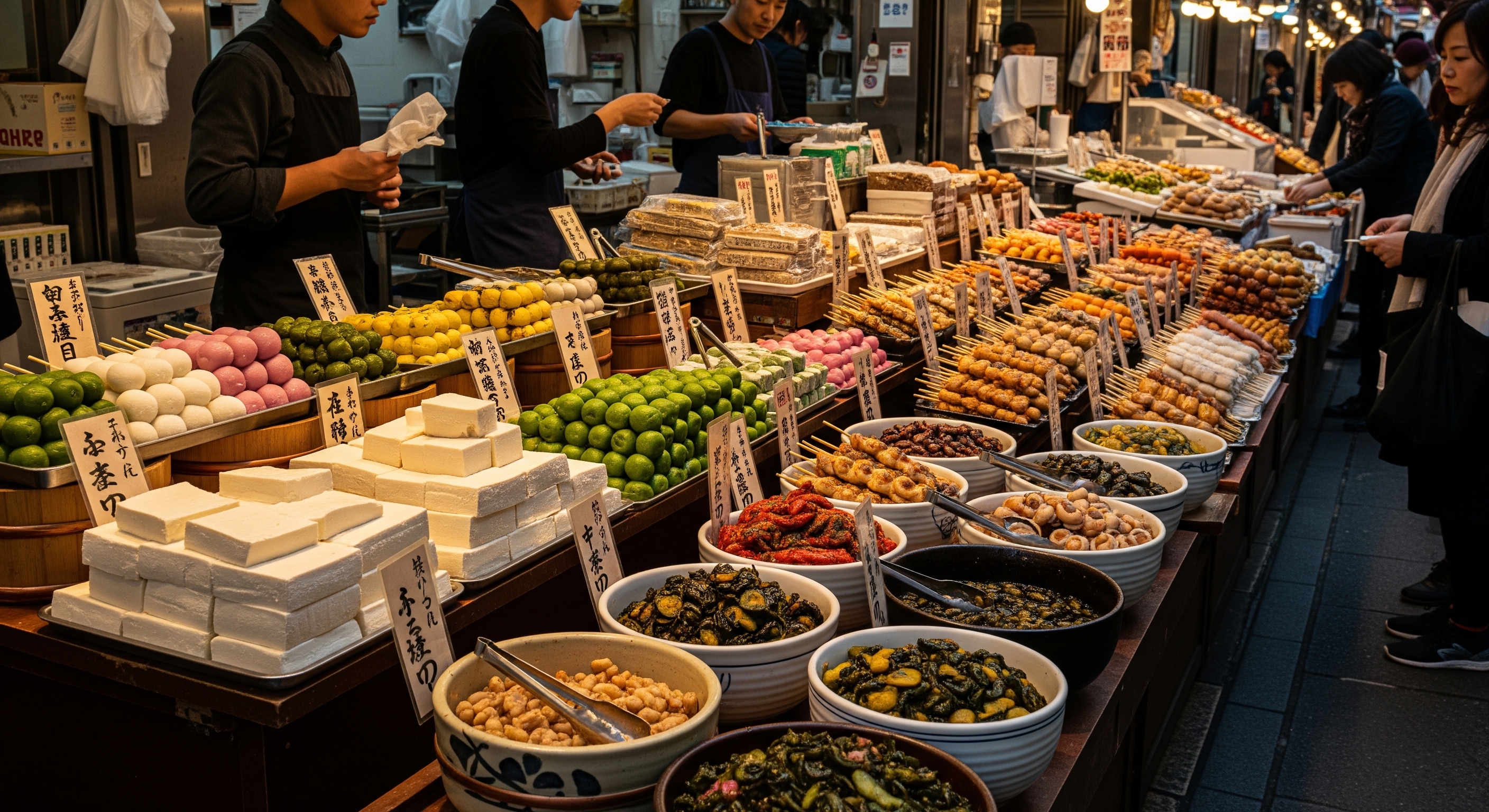
What to Eat in Kyoto: 15 Must-Try Dishes
The essential Kyoto food guide: 15 dishes and drinks to try, where to find the best versions, and what makes Kyoto's cuisine distinct from the rest of Japan.
Local guide based in Gion, Kyoto. Leading intimate walking tours and sake experiences since 2018. Passionate about connecting travelers with authentic Kyoto culture.