FOOD & DRINK
Nishiki Market Food Guide: What to Try Stall by Stall
Nishiki Market Food Guide: What to Try Stall by Stall
What Nishiki Market Is
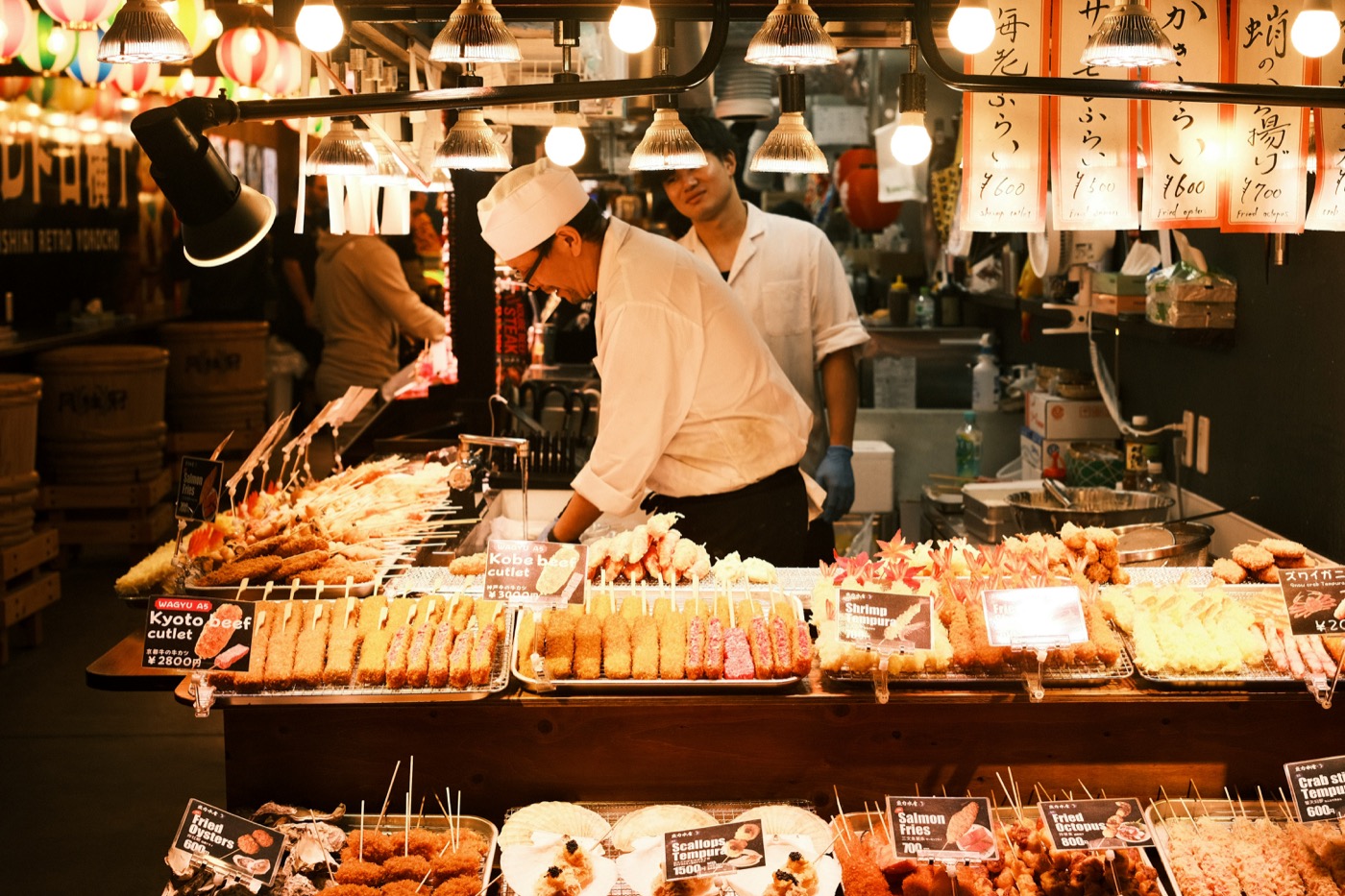
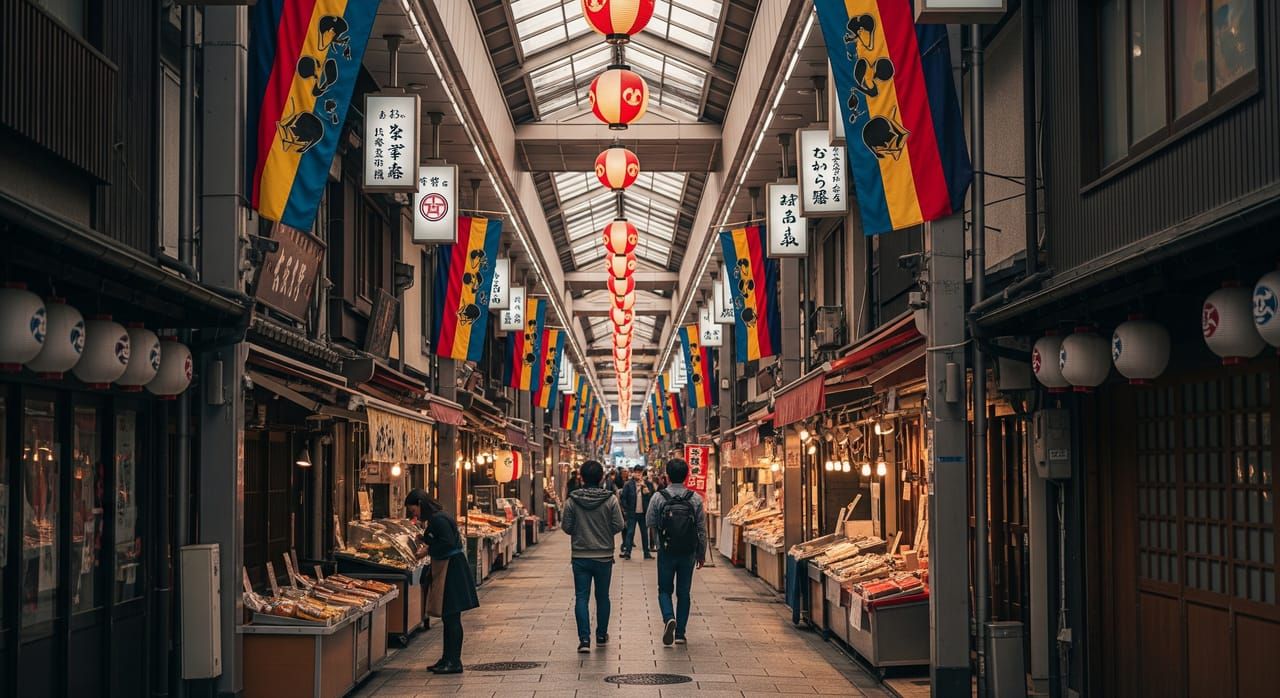
Nishiki Market (Nishiki Ichiba) is a narrow 400-meter covered arcade in central Kyoto, running east–west between Teramachi and Takakura streets. It’s been a food market since the 14th century — originally the wholesale district for fish, vegetables, and dried goods serving Kyoto’s palace kitchens and temples.
Today it’s a mix of authentic old vendors alongside newer tourist-oriented shops. Roughly 100 stalls operate here. Walking the full length takes 15–20 minutes without stopping; plan 60–90 minutes if you’re eating as you go.
The market is called Kyoto’s kitchen (京のおばんざい). The best version of a Nishiki visit involves grazing on snacks and small bites as you walk — it’s one of the best places in Kyoto to eat inexpensively and well.
 NISHIKI ICHIBA
 Arrive before 11am on a weekday for the most comfortable experience. The narrow arcade can feel genuinely congested by early afternoon, especially on weekends and holidays.
Crowd Guide
Stalls just opening, almost no tourists yet
Pleasant grazing pace, easy to stop at stalls
Peak congestion, difficult to browse freely
Extremely crowded — consider a different time entirely
What to Eat
Tamagoyaki
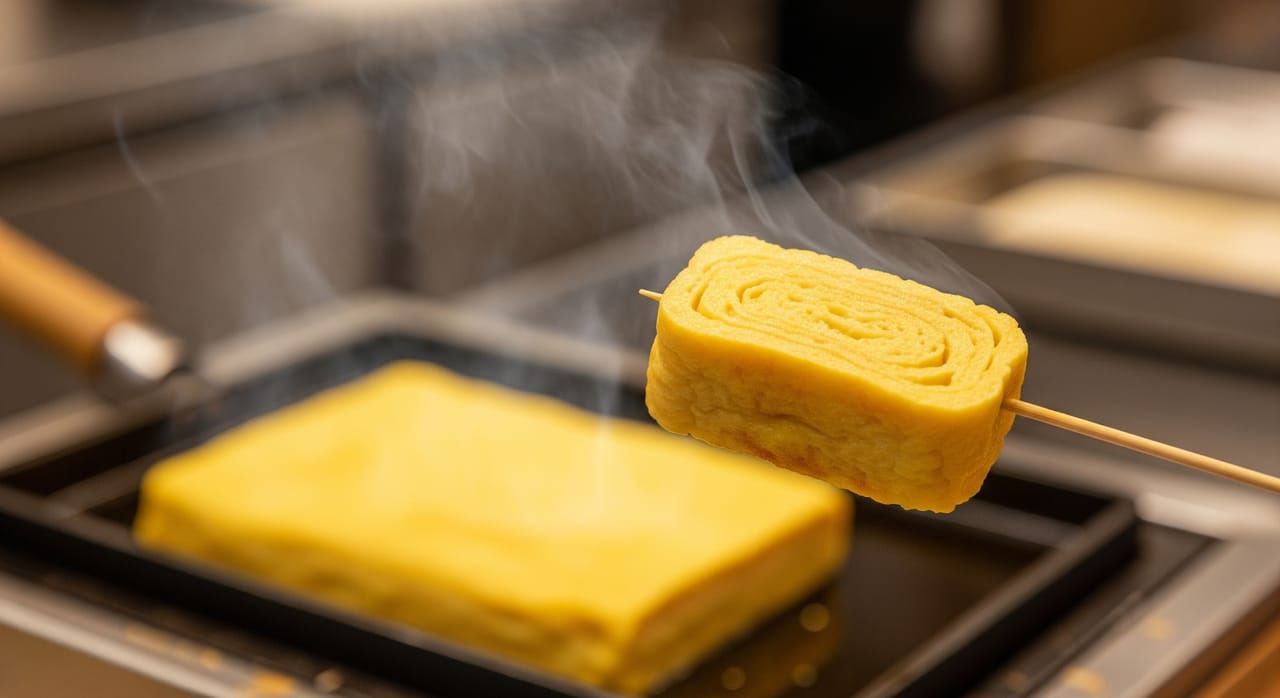
Sweet rolled omelet on a bamboo skewer — soft, slightly caramelized, served warm. Several stalls sell these; the quality varies. Look for the ones where you can see them cooking fresh on a rectangular pan. ¥200–¥300.
 ¥200–¥300
 Tofu Donuts (Atari-ya)
One of Nishiki’s most talked-about snacks — tofu-based donuts, freshly fried, subtly sweet and extremely tender. The stall operates near the Teramachi end. Small line is worth it. ¥150–¥200 each.
The tofu donuts at Atari-ya near the Teramachi end are best eaten immediately while still warm. They lose their delicate texture within minutes of cooling. Buy one, eat it on the spot before ordering more.
Tsukemono (Pickles)
The pickle shops in Nishiki are excellent and represent genuine Kyoto craftsmanship. Shibazuke (purple eggplant and shiso), senmaizuke (thin-sliced turnip), suguki (fermented turnip), and seasonal varieties. Many shops offer samples. These make outstanding, easily-portable souvenirs — vacuum-sealed versions last for weeks.
Vacuum-sealed tsukemono from Nishiki’s established pickle shops are among the best-value Kyoto souvenirs. A well-packed bag of senmaizuke or shibazuke costs ¥600–¥1,200 and keeps for several weeks — far better quality per yen than most gift shops in the city.
Yudofu Samples
Several tofu shops offer small samples of fresh kyo-dofu — the silky Kyoto-style tofu. Some include a tiny dashi sauce. Free or ¥100–¥200. Worth understanding why Kyoto tofu has a reputation.
Grilled Seafood Skewers
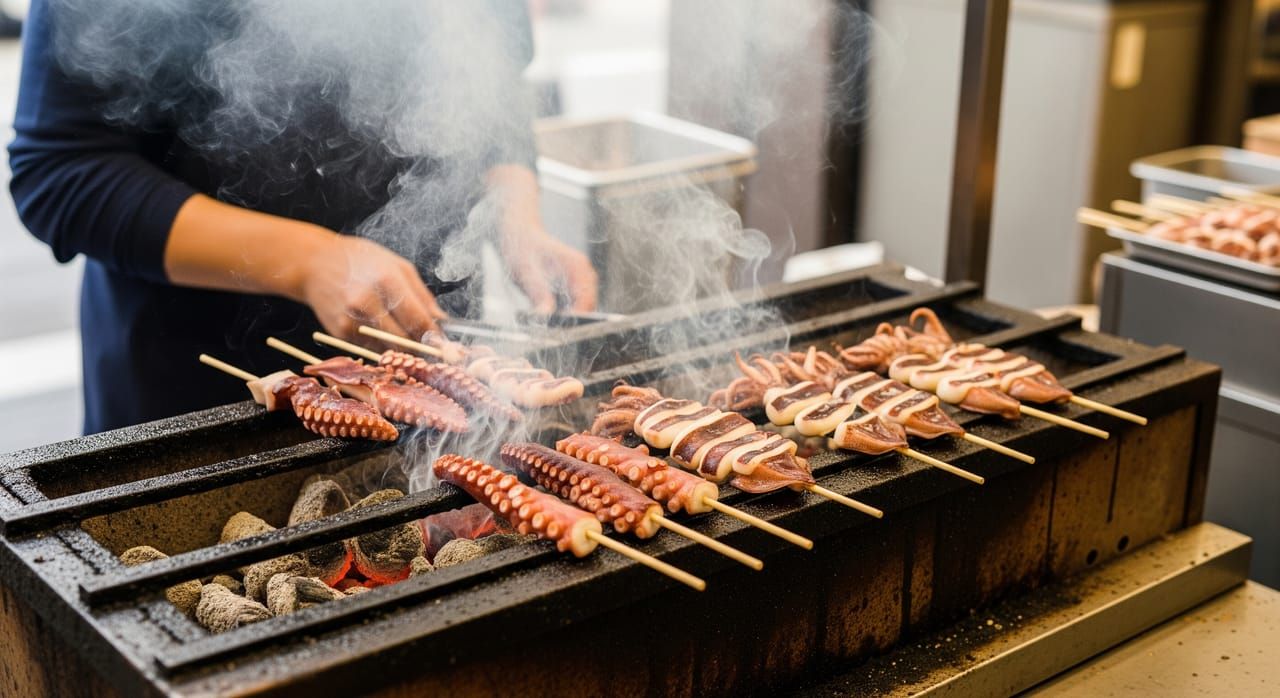
Near the western end, a few stalls grill seafood skewers to order — octopus, squid, and various shellfish. Watch for the ones with charcoal rather than gas grills.
 WESTERN END
 Warabi-mochi
Soft translucent dumplings in kinako and black sugar syrup. Purchased by weight. Several shops; the difference in quality is real — buy from a shop where someone is making them fresh rather than from a display case.
Dashimaki Tamago
A thick, savory version of rolled egg flavored with dashi — different from the sweeter tamagoyaki. Some shops specialize in this style. Better with a glass of sake, frankly.
Matcha Sweets
Multiple confectionery stalls sell wagashi and matcha-based sweets. The quality ranges from excellent to thoroughly generic tourist product. Favor shops that show their production process and have simpler, more traditional presentations.
Genuine wagashi shops will have seasonal items that change month to month and a spare, traditional display style. Shops piled high with uniform matcha-everything products — matcha KitKat, matcha soft-serve, matcha keychains — are catering to Instagram, not to taste.
What to Skip
- Generic souvenir shops — the market has acquired several stalls selling chopsticks, key rings, and mass-produced “Kyoto goods” that have nothing to do with the food market tradition. Easy to identify and skip.
- Fruit parfaits and heavily Instagrammed items — some stalls exist specifically to create photogenic moments. The food quality is secondary. Judge by the line composition: lots of teenagers with phones vs. local shoppers.
- Eating lunch here only — Nishiki is better as a grazing experience than a sit-down meal destination. Use it for snacks before or after lunch elsewhere.
The western end of the market near Teramachi-dori has shifted the most toward tourist-facing shops. The eastern section toward Takakura tends to have more of the original food vendors — pickle shops, tofu sellers, and dry goods stores. Start from the eastern end if authenticity matters to you.
Eating As You Walk
Nishiki operates on a de facto eat-while-walking culture. This is unusual in Japan (where eating while walking is generally considered bad manners), but the market is an acknowledged exception. Most stalls provide small plates or skewers designed for immediate consumption. Dispose of sticks and wrappers at the stall or at the bins provided — don’t walk the length of the market with trash in hand.
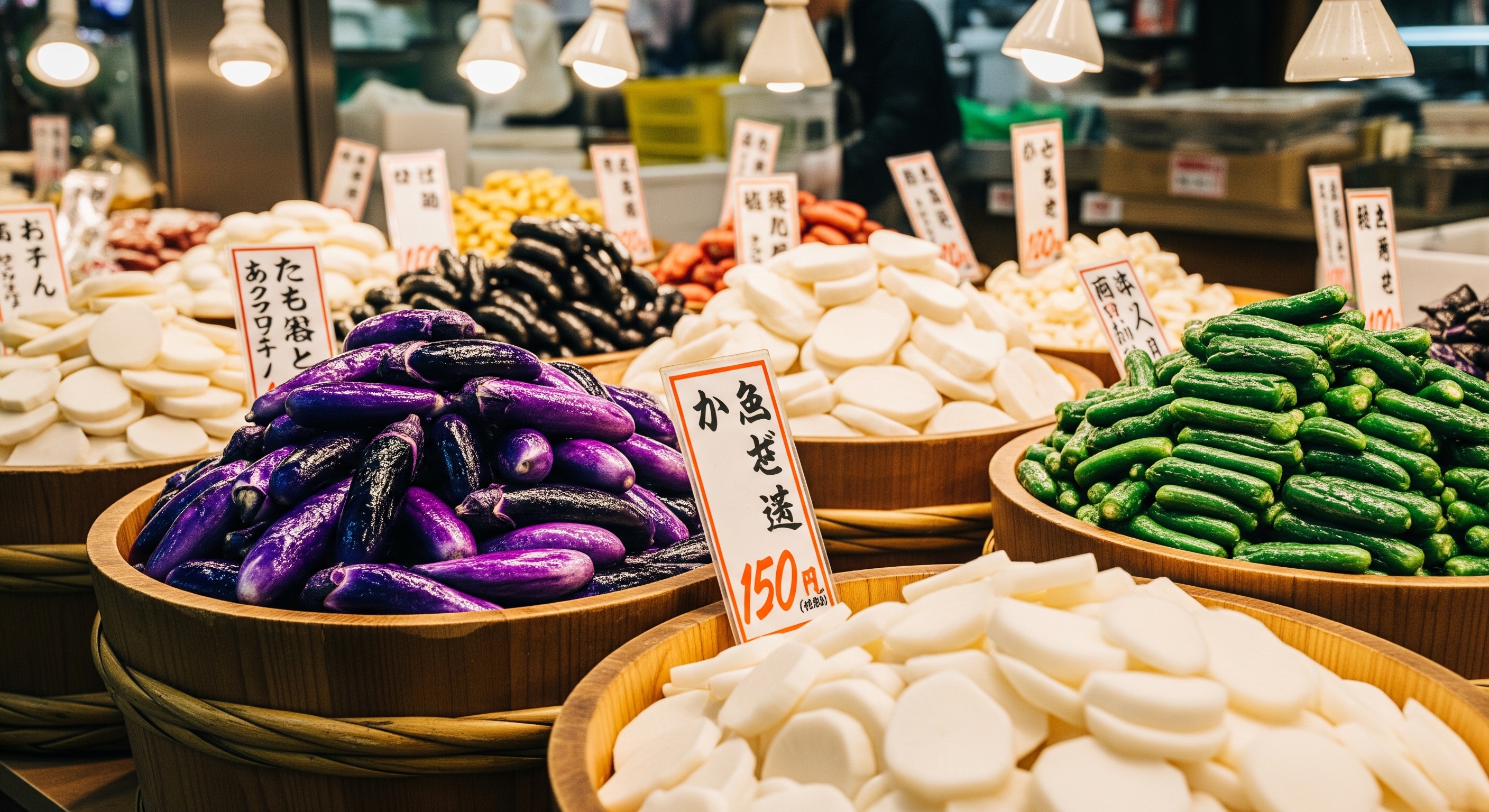 TSUKEMONO
 More food: What to Eat in Kyoto for the broader cuisine picture. Sake in Kyoto for drinks.
Evening option: Our Gion Sake Walk includes neighborhood tastings in the Gion district — a natural pairing with a daytime Nishiki market run.
// KYOTO LOCAL EXPERIENCE
EXPLORE KYOTO
WITH A LOCAL GUIDE
Skip the crowds and see the Kyoto most visitors never find. Small-group tours led by local experts — built around genuine stories, hidden spots, and real connections with the city.
FAQ
What time does Nishiki Market open? ▼
Is Nishiki Market free to enter? ▼
What are the must-try foods at Nishiki Market? ▼
Is Nishiki Market still good or has it become too touristy? ▼
RELATED GUIDES
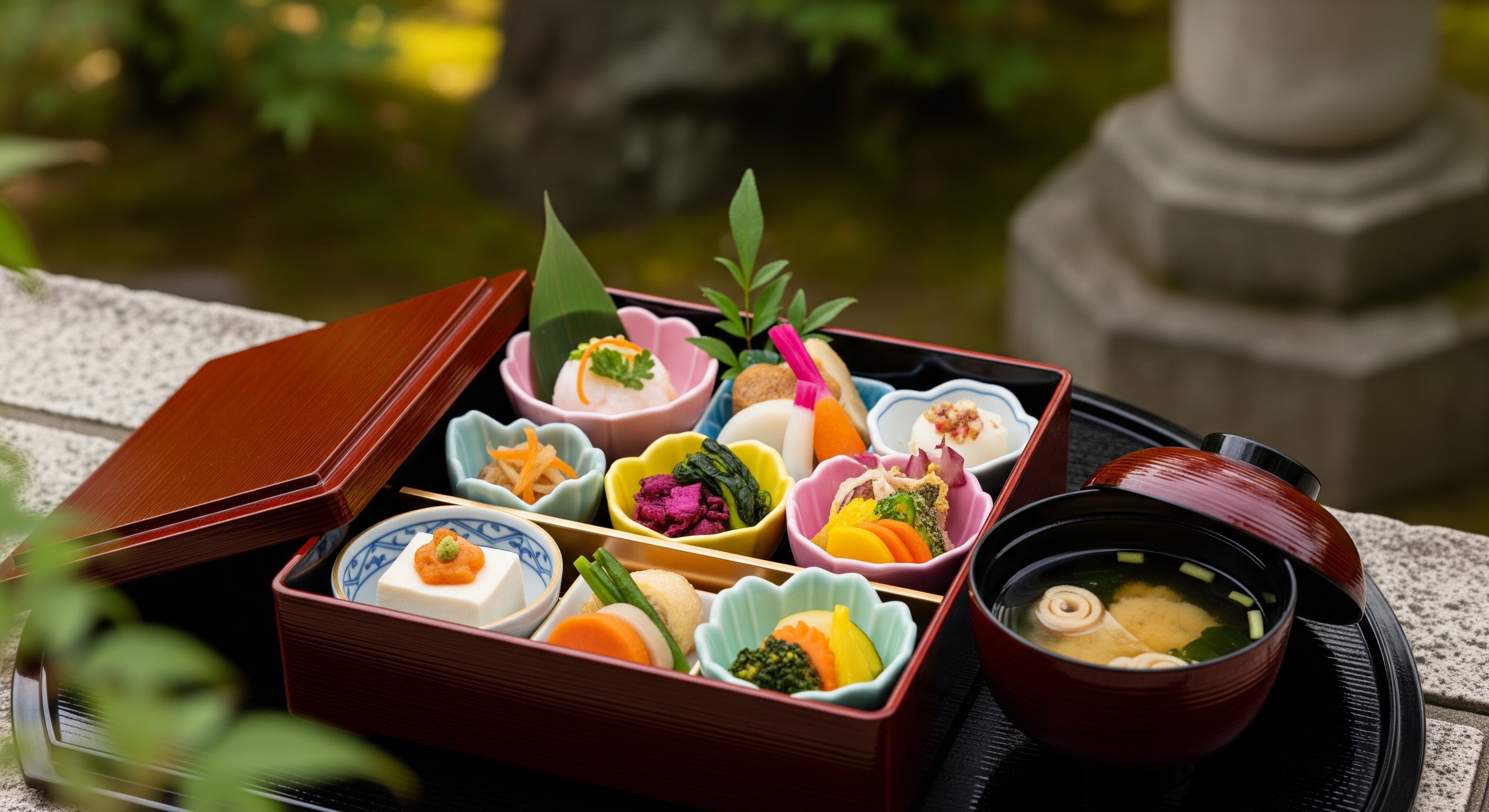
Vegetarian & Vegan Kyoto: Where to Eat & What to Order
A practical guide to eating vegetarian and vegan in Kyoto: Buddhist shojin ryori, the best plant-based restaurants, how to navigate menus, and useful phrases.
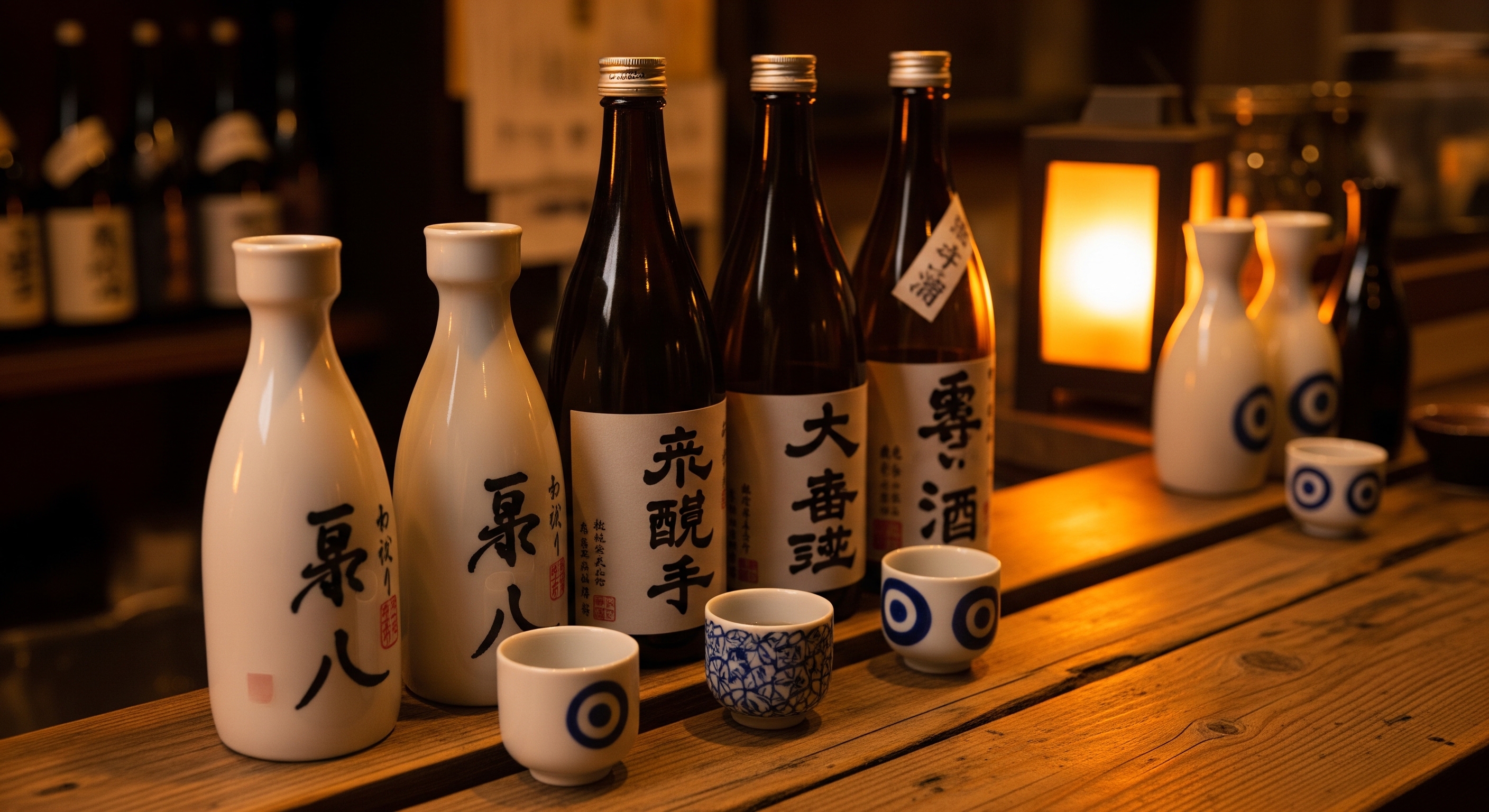
Sake in Kyoto: Fushimi Breweries, Bars & Tasting Tips
How to explore sake in Kyoto: the Fushimi brewery district, best izakayas and sake bars in Gion, tasting tips for beginners, and what makes Fushimi sake distinct.
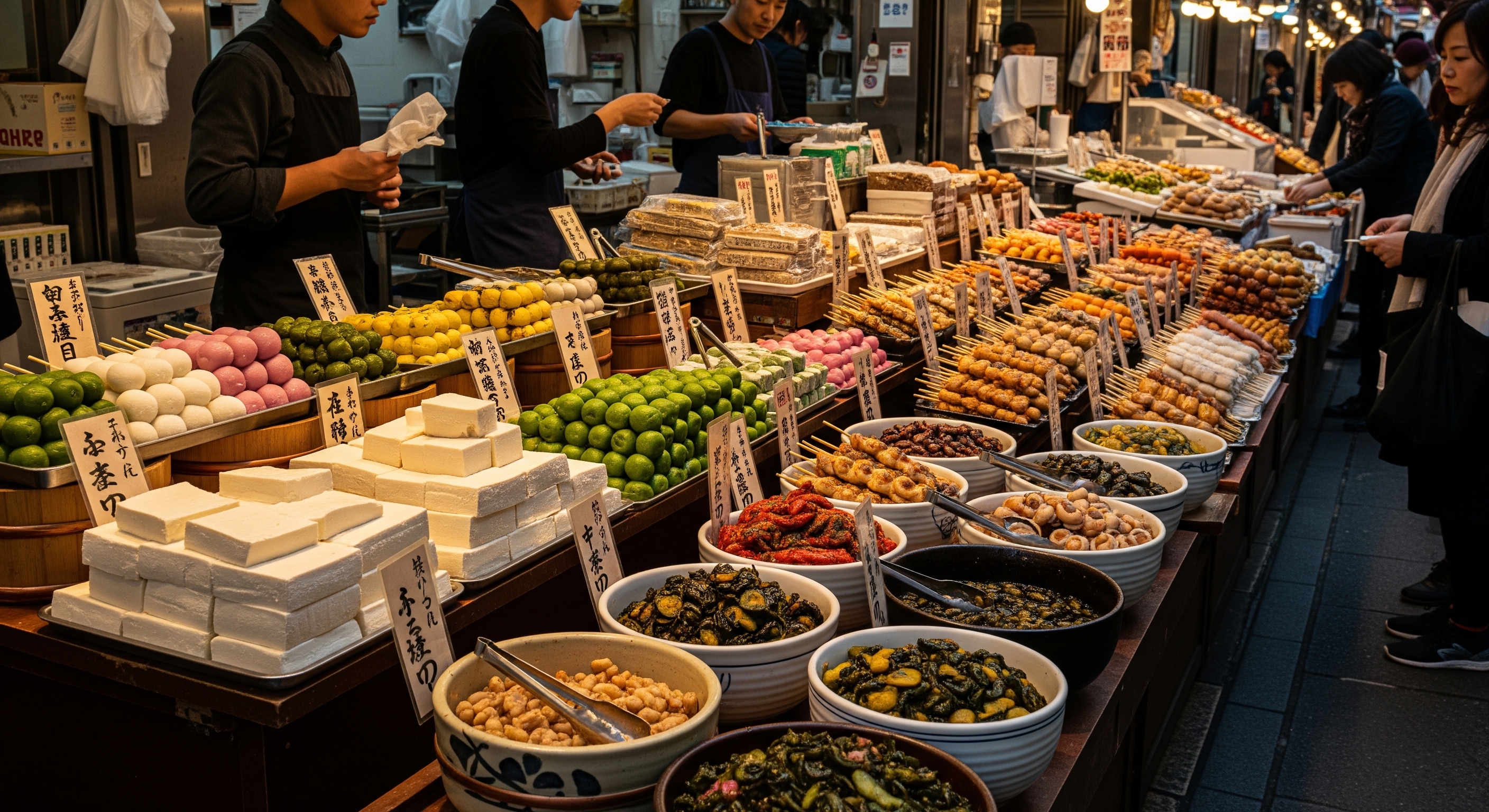
What to Eat in Kyoto: 15 Must-Try Dishes
The essential Kyoto food guide: 15 dishes and drinks to try, where to find the best versions, and what makes Kyoto's cuisine distinct from the rest of Japan.
Local guide based in Gion, Kyoto. Leading intimate walking tours and sake experiences since 2018. Passionate about connecting travelers with authentic Kyoto culture.